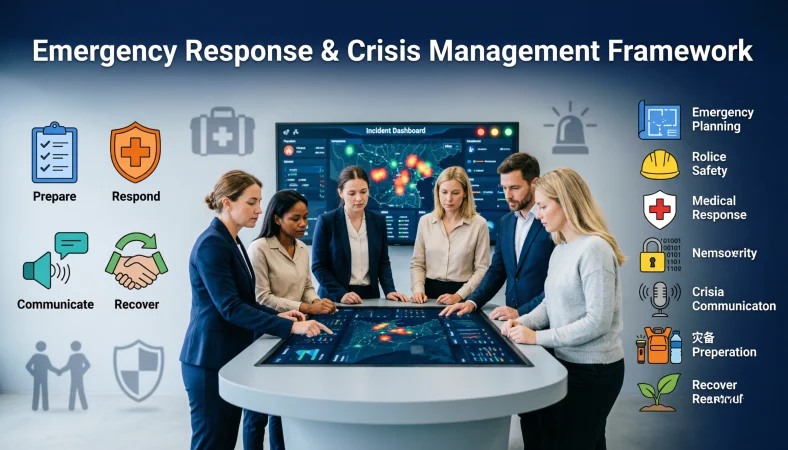
Emergency response and crisis management help individuals and organizations prepare for unexpected events, protect people, communicate clearly, and recover effectively. The right plan turns uncertainty into coordinated action when every second counts.
Top alternatives: Emergency preparedness, crisis response planning, incident management strategies, emergency communication plans, disaster recovery procedures.
An emergency can turn an ordinary Tuesday into a day nobody planned for. A workplace accident, sudden power outage, severe storm, cybersecurity incident, or public safety threat can leave people wondering what to do first. That is why emergency response and crisis management matter. They help individuals, businesses, schools, healthcare facilities, and communities prepare for disruption instead of trying to invent a plan under pressure.
Whether you are organizing workplace procedures, coordinating a community response, managing a business interruption, or learning how crisis teams communicate, preparation makes difficult moments easier to navigate. Clear instructions, defined responsibilities, reliable information, and practical recovery steps can make a meaningful difference.
Think of it as having a roadmap when the situation suddenly changes direction. You cannot predict every twist, but you can prepare for the important decisions, communicate with confidence, and help people move toward safety and recovery.
Emergency Response and Crisis Management Basics
1. Prepare Before the Unexpected Happens
Example: A business reviews its emergency procedures before opening a new location.
Meaning: Preparation helps people act confidently rather than guess what to do.
2. Put Human Safety First
Example: A team prioritizes immediate hazards during an unexpected workplace incident.
Meaning: Protecting people takes priority over property and routine operations.
3. Know Your Emergency Contacts
Example: Employees keep updated contact details for designated emergency coordinators.
Meaning: Accessible contacts make it easier to reach the right support.
4. Understand Your Responsibilities
Example: Staff review their assigned duties during an emergency drill.
Meaning: Clear responsibilities reduce confusion when pressure rises.
5. Follow Established Procedures
Example: A facility team follows its approved evacuation instructions during an alarm.
Meaning: Agreed procedures support consistent and coordinated action.
6. Report Incidents Promptly
Example: An employee reports a dangerous condition as soon as it is discovered.
Meaning: Early reporting gives responsible teams an opportunity to respond.
7. Keep Instructions Simple
Example: A supervisor gives short, direct directions during a building disruption.
Meaning: Simple language is easier to understand during stressful moments.
8. Identify Potential Hazards
Example: A school reviews safety risks before hosting a large event.
Meaning: Identifying hazards helps teams prepare appropriate precautions.
9. Maintain Accurate Records
Example: An incident coordinator records important decisions and their timestamps.
Meaning: Reliable records support accountability and later investigation.
10. Check Available Resources
Example: A response team confirms that essential supplies are accessible.
Meaning: Resource checks reveal shortages before they become urgent problems.
Professional Emergency Response and Crisis Management Strategies
1. Activate the Appropriate Response Plan
Example: An incident coordinator starts the approved procedure after confirming its activation criteria.
Meaning: Formal activation establishes a clear response process.
2. Establish Clear Reporting Lines
Example: Department leads know whom to contact when an incident escalates.
Meaning: Defined reporting paths reduce unnecessary delays.
3. Assess the Scope of the Incident
Example: A response lead identifies affected people, locations, and essential services.
Meaning: Understanding the scope helps determine appropriate priorities.
4. Assign Specific Responsibilities
Example: A manager assigns separate owners for communication, logistics, and documentation.
Meaning: Clear ownership prevents important tasks from being overlooked.
5. Maintain an Incident Log
Example: A coordinator records significant events in an approved incident record.
Meaning: A consistent timeline supports informed decisions and review.
6. Escalate Serious Concerns
Example: A team refers a threat beyond its authority to qualified leadership.
Meaning: Timely escalation brings in the right decision-makers.
7. Protect Confidential Information
Example: Staff share sensitive incident details only through authorized channels.
Meaning: Responsible information handling protects privacy.
8. Coordinate External Assistance
Example: An organization contacts relevant authorities when an incident exceeds internal capabilities.
Meaning: External coordination can provide essential support.
9. Prioritize Essential Operations
Example: A business identifies which services must continue during a disruption.
Meaning: Prioritization directs resources toward critical functions.
10. Schedule Consistent Updates
Example: A communications lead issues updates at agreed intervals.
Meaning: Predictable communication reduces uncertainty.
11. Track Outstanding Actions
Example: A coordinator assigns owners to unresolved safety concerns.
Meaning: Action tracking supports follow-through.
12. Confirm Incident Closure
Example: Leadership checks that closure requirements have been met before ending the response.
Meaning: Formal closure clarifies when active incident management has ended.
Emergency Response and Crisis Management Communication
1. Share Verified Information First
Example: A communications lead confirms incident details before issuing an update.
Meaning: Verification helps prevent misinformation.
2. Explain What Is Known
Example: A spokesperson shares confirmed facts without guessing about unresolved details.
Meaning: Honest communication protects credibility.
3. Tell People What Happens Next
Example: Employees receive the time of the next scheduled briefing.
Meaning: Clear expectations reduce uncertainty.
4. Use an Official Information Channel
Example: An organization directs staff to its designated emergency notification system.
Meaning: A reliable channel helps prevent conflicting messages.
5. Keep Emergency Messages Brief
Example: A team sends a concise safety announcement during an operational disruption.
Meaning: Short messages make essential instructions easier to process.
6. Correct Inaccurate Information
Example: A communications manager promptly corrects an incorrect public statement.
Meaning: Timely corrections protect trust.
7. Avoid Unverified Reports
Example: Staff wait for confirmation before sharing incident details.
Meaning: Restraint helps stop rumors from spreading.
8. Adapt Messages to the Audience
Example: A school uses age-appropriate wording when explaining safety procedures.
Meaning: Audience-focused communication improves understanding.
9. Make Instructions Accessible
Example: An organization shares emergency information in accessible formats.
Meaning: Inclusive communication helps more people understand what to do.
10. Confirm Critical Messages Were Received
Example: A coordinator checks whether key personnel received an urgent alert.
Meaning: Confirmation reduces the risk of missed instructions.
11. Acknowledge Uncertainty Honestly
Example: A spokesperson explains that an investigation is ongoing.
Meaning: Honest uncertainty prevents unsupported promises.
12. Communicate With Empathy
Example: A manager acknowledges employees’ concerns during a service disruption.
Meaning: Respectful language supports trust during stressful events.
Emergency Response and Crisis Management for Workplace Safety
1. Keep Emergency Exits Clear
Example: Facilities staff remove boxes blocking a designated evacuation route.
Meaning: Clear exits support safer movement.
2. Train Employees Regularly
Example: A workplace schedules safety training for new and existing staff.
Meaning: Practice builds familiarity with emergency procedures.
3. Report Workplace Hazards
Example: A worker reports damaged equipment before someone gets hurt.
Meaning: Early reporting supports preventive action.
4. Display Clear Emergency Instructions
Example: A facility posts approved safety guidance in accessible locations.
Meaning: Visible instructions help employees find essential information.
5. Include Visitors and Contractors
Example: Reception staff explain relevant emergency arrangements to visitors.
Meaning: Everyone on site needs appropriate safety guidance.
6. Coordinate Across Departments
Example: Facilities, security, and human resources share relevant incident updates.
Meaning: Coordination reduces information gaps.
7. Plan for Remote Employees
Example: A company includes remote workers in emergency notifications.
Meaning: Distributed teams also need reliable communication.
8. Inspect Safety-Critical Equipment
Example: Qualified personnel inspect emergency equipment according to established schedules.
Meaning: Appropriate maintenance helps identify equipment problems.
9. Protect Sensitive Workplace Records
Example: A crisis team restricts access to confidential incident information.
Meaning: Access controls help protect privacy.
10. Support Affected Employees
Example: A manager shares available support resources after a serious workplace incident.
Meaning: Employee well-being remains important during recovery.
11. Document Workplace Incidents
Example: A safety officer completes the organization’s incident report.
Meaning: Documentation supports investigation and improvement.
12. Confirm Areas Are Safe Before Reopening
Example: Leadership waits for appropriate clearance before resuming work in an affected area.
Meaning: Controlled reopening helps prevent renewed disruption.
Emergency Response and Crisis Management for Healthcare
1. Follow Approved Clinical Protocols
Example: Healthcare personnel follow the relevant procedure for the situation.
Meaning: Established protocols support consistent professional care.
2. Protect Patient Privacy
Example: Staff share patient information only through authorized channels.
Meaning: Confidentiality remains essential during emergencies.
3. Communicate Patient Needs Clearly
Example: A clinical team follows its approved handover process when transferring care.
Meaning: Clear communication supports continuity of care.
4. Coordinate Available Resources
Example: Hospital leaders monitor staffing and essential supplies during increased demand.
Meaning: Resource coordination helps maintain critical services.
5. Escalate Urgent Clinical Concerns
Example: A staff member raises a deteriorating situation through the designated clinical process.
Meaning: Escalation connects urgent concerns with qualified support.
6. Maintain Accurate Documentation
Example: Healthcare personnel record relevant actions according to facility policy.
Meaning: Documentation supports continuity and accountability.
7. Prepare for Patient Surges
Example: A healthcare facility reviews surge-capacity arrangements before periods of high demand.
Meaning: Advance planning helps manage sudden increases in need.
8. Protect Healthcare Workers
Example: A facility provides appropriate protective equipment and training.
Meaning: Staff protection supports a safer care environment.
9. Communicate With Families Appropriately
Example: Authorized personnel provide permitted updates to a patient’s family.
Meaning: Compassionate communication reduces uncertainty while respecting privacy.
10. Coordinate With Emergency Services
Example: Hospital teams follow established procedures for receiving emergency cases.
Meaning: Coordination supports smoother transitions between services.
11. Monitor Essential Supplies
Example: Supply teams track critical items and replenishment needs.
Meaning: Reliable inventory management helps reduce shortages.
12. Review Emergency Readiness
Example: Healthcare leaders assess lessons from a simulated emergency.
Meaning: Regular review can strengthen preparedness.
Emergency Response and Crisis Management for Schools
1. Explain Safety Rules Clearly
Example: Teachers review age-appropriate emergency instructions with students.
Meaning: Clear explanations make procedures easier to remember.
2. Practice Approved Safety Drills
Example: A school conducts a scheduled evacuation exercise.
Meaning: Drills build familiarity with expected actions.
3. Account for Students
Example: Teachers follow the school’s attendance procedure after an evacuation.
Meaning: Accurate checks help identify anyone who may be missing.
4. Communicate With Families
Example: Administrators use the official notification system during a disruption.
Meaning: Reliable updates help families understand the situation.
5. Support Students With Disabilities
Example: Staff follow established accessibility arrangements during a drill.
Meaning: Inclusive planning addresses different support needs.
6. Coordinate With Local Authorities
Example: School leaders consult relevant emergency services when reviewing procedures.
Meaning: Professional coordination can strengthen school safety planning.
7. Protect Student Information
Example: Administrators restrict access to confidential student records.
Meaning: Emergency communication should respect privacy.
8. Prepare Substitute Teachers
Example: A school makes emergency guidance available to temporary staff.
Meaning: Every responsible adult needs access to relevant procedures.
9. Plan for School Events
Example: Organizers review crowd movement and emergency access before a sports day.
Meaning: Event-specific planning addresses changing risks.
10. Provide Reassuring Updates
Example: Teachers explain verified information calmly after a disruption.
Meaning: Clear communication can help students feel supported.
11. Organize Student Reunification
Example: Administrators follow an approved process for releasing students to authorized adults.
Meaning: Controlled reunification supports student safety.
12. Review School Safety Plans
Example: A school revises its procedures after staff identify gaps during a drill.
Meaning: Feedback helps keep plans practical.
Emergency Response and Crisis Management for Natural Disasters
1. Monitor Official Alerts
Example: Residents follow verified weather and emergency notifications.
Meaning: Official alerts provide important information about developing hazards.
2. Prepare an Emergency Kit
Example: A household gathers essential supplies according to local guidance.
Meaning: Prepared supplies can help during service interruptions.
3. Understand Evacuation Guidance
Example: Residents learn which official routes and instructions apply to their area.
Meaning: Familiarity helps people respond when evacuation becomes necessary.
4. Plan for Communication Outages
Example: A family agrees on an alternative way to share essential updates.
Meaning: Backup communication helps when normal networks fail.
5. Consider Vulnerable Residents
Example: Community planners identify support needs among older residents and people with disabilities.
Meaning: Inclusive planning addresses different risks.
6. Protect Important Documents
Example: A household stores essential records in a secure, accessible place.
Meaning: Organized records can simplify recovery.
7. Stay Away From Hazardous Areas
Example: Residents follow official restrictions around damaged infrastructure.
Meaning: Avoiding hazards reduces the risk of further injury.
8. Coordinate Community Assistance
Example: Local organizations share verified information about available support.
Meaning: Coordination helps resources reach people who need them.
9. Check Infrastructure Before Reopening
Example: Authorized personnel assess damage before a facility resumes operations.
Meaning: Inspections help identify unsafe conditions.
10. Prepare for Utility Interruptions
Example: A business plans safe alternatives for power or water disruptions.
Meaning: Utility planning supports essential operations.
11. Share Verified Recovery Information
Example: Community leaders announce confirmed shelter and assistance arrangements.
Meaning: Reliable information helps people make informed decisions.
12. Learn From Previous Disasters
Example: A local planning group updates its procedures after reviewing a past event.
Meaning: Experience can reveal improvements for future readiness.
Emergency Response and Crisis Management for Cybersecurity
1. Recognize Suspicious Activity
Example: An employee reports a suspicious email through the approved security channel.
Meaning: Early reporting gives security teams a chance to investigate.
2. Follow the Incident Response Plan
Example: An IT team activates its approved procedure after confirming a security incident.
Meaning: Established procedures support coordinated action.
3. Preserve Relevant Evidence
Example: Security staff retain logs and alerts according to organizational policy.
Meaning: Preserved evidence can support an investigation.
4. Avoid Deleting Important Records
Example: An employee consults the security team before removing suspicious files.
Meaning: Unplanned deletion may hinder investigation.
5. Contain Threats When Authorized
Example: Security personnel restrict an affected account under approved procedures.
Meaning: Appropriate containment can reduce further exposure.
6. Use Trusted Communication Channels
Example: Responders switch to an approved alternative if normal systems are compromised.
Meaning: Reliable channels support coordination during an outage.
7. Escalate Suspected Data Exposure
Example: A team reports a possible leak to designated security and privacy leads.
Meaning: Early escalation helps assess risks and obligations.
8. Avoid Unsupported Public Claims
Example: A spokesperson waits for verified findings before describing an incident’s scope.
Meaning: Careful wording protects accuracy and credibility.
9. Coordinate Technical and Business Teams
Example: IT and operations agree on priorities during a service disruption.
Meaning: Joint decisions balance security and operational needs.
10. Verify Recovery Before Restoring Access
Example: A security team checks remediation results before reopening an affected system.
Meaning: Verification helps reduce the chance of renewed compromise.
11. Investigate Contributing Causes
Example: Investigators examine the conditions that allowed an incident to occur.
Meaning: Root-cause analysis supports lasting improvements.
12. Update Controls and Training
Example: An organization revises procedures after identifying a recurring security weakness.
Meaning: Lessons learned can reduce future exposure.
Emergency Response and Crisis Management for Business Continuity
1. Identify Critical Business Functions
Example: Leadership lists the services that must continue during a disruption.
Meaning: Priorities help direct limited resources.
2. Create a Practical Continuity Plan
Example: A business documents how essential work will continue during a site closure.
Meaning: Realistic alternatives support operational resilience.
3. Identify Backup Suppliers
Example: Procurement records alternate providers for essential materials.
Meaning: Alternatives reduce dependence on a single supplier.
4. Protect Essential Business Records
Example: A team follows its approved backup and recovery procedures.
Meaning: Accessible records support continuity and restoration.
5. Define Temporary Operating Arrangements
Example: Managers identify approved remote-work or alternate-site options.
Meaning: Preplanned arrangements reduce disruption.
6. Communicate Service Changes Clearly
Example: A business tells customers which services are temporarily unavailable.
Meaning: Clear expectations reduce frustration and confusion.
7. Assign Continuity Owners
Example: Each department designates a person responsible for recovery tasks.
Meaning: Ownership helps keep recovery work moving.
8. Prioritize Limited Resources
Example: Leadership directs available staff toward the most critical operations.
Meaning: Prioritization helps preserve essential services.
9. Test Backup and Recovery Procedures
Example: IT verifies that important data can be restored as expected.
Meaning: Testing reveals problems before recovery is needed.
10. Track Recovery Milestones
Example: A coordinator records which services have returned and which remain disrupted.
Meaning: Milestones provide a clearer picture of progress.
11. Review Customer and Employee Needs
Example: A business adjusts support arrangements as the disruption continues.
Meaning: Recovery should account for the people affected.
12. Return to Normal Operations Carefully
Example: Managers confirm readiness before ending temporary arrangements.
Meaning: Controlled transitions reduce the chance of renewed disruption.
Emergency Response and Crisis Management for Leadership
1. Stay Calm and Visible
Example: A leader provides steady guidance during a difficult operational incident.
Meaning: Composed leadership helps teams focus on priorities.
2. Make Evidence-Based Decisions
Example: A manager checks available information before changing the response plan.
Meaning: Verified facts support better decisions.
3. Admit What Is Not Yet Known
Example: A leader explains that the cause of an outage remains under investigation.
Meaning: Honest uncertainty protects credibility.
4. Focus on Immediate Priorities
Example: Leadership directs attention toward safety and containment before assigning blame.
Meaning: Urgent needs should guide immediate action.
5. Remove Barriers to Action
Example: A manager resolves an approval delay blocking an authorized response task.
Meaning: Effective leadership helps responders work efficiently.
6. Delegate According to Expertise
Example: A leader assigns technical decisions to qualified specialists.
Meaning: Appropriate delegation makes better use of expertise.
7. Keep Teams Informed
Example: Leadership shares confirmed changes to priorities and responsibilities.
Meaning: Timely updates help people stay aligned.
8. Document Major Decisions
Example: A coordinator records the reasoning behind a significant response decision.
Meaning: Documentation supports accountability and review.
9. Recognize Fatigue and Workload
Example: A leader arranges shift changes during a prolonged response.
Meaning: Manageable workloads support sustained performance.
10. Escalate Beyond Your Authority
Example: A manager requests specialist assistance for a serious threat.
Meaning: Recognizing limitations is part of responsible leadership.
11. Make Recovery a Priority
Example: Leaders assign resources to restoring essential services after containment.
Meaning: Recovery requires deliberate attention.
12. Turn Lessons Into Improvements
Example: Leadership assigns owners and deadlines to actions from an incident review.
Meaning: Follow-through converts lessons into practical changes.
Emergency Response and Crisis Management for Risk Assessment
1. Identify Credible Threats
Example: A team lists hazards relevant to its location and operations.
Meaning: Risk assessment starts by identifying what could happen.
2. Estimate Likelihood and Impact
Example: A risk team evaluates how probable a disruption is and how serious it could be.
Meaning: Assessment helps determine which risks need priority attention.
3. Consider Vulnerable People and Systems
Example: Planners identify critical equipment and people who may need extra assistance.
Meaning: Risk planning should account for different needs.
4. Review Existing Safeguards
Example: A team checks whether current controls address a known hazard.
Meaning: Existing protections may need testing or improvement.
5. Prioritize High-Impact Risks
Example: Leaders address a threat that could seriously affect life safety or essential services.
Meaning: Prioritization directs effort toward significant consequences.
6. Assign Risk Owners
Example: Each major risk has a designated person responsible for monitoring it.
Meaning: Ownership encourages accountability.
7. Define Warning Indicators
Example: A team identifies conditions that should trigger escalation.
Meaning: Early indicators help people act before circumstances worsen.
8. Consider Cascading Effects
Example: A business assesses how a power outage could affect communications and access.
Meaning: One disruption can create several connected problems.
9. Use Realistic Scenarios
Example: Planners test how the organization would respond to a prolonged service outage.
Meaning: Scenario planning reveals gaps in preparedness.
10. Assess Resource Limitations
Example: A response planner identifies shortages that could delay essential work.
Meaning: Knowing limitations helps teams prepare alternatives.
11. Review Risks After Major Changes
Example: A company reassesses its risks after moving to a new facility.
Meaning: Changing conditions can introduce new threats.
12. Monitor and Update Risk Records
Example: A risk owner revises an assessment after receiving new information.
Meaning: Regular updates keep risk decisions relevant.
Emergency Response and Crisis Management Training and Drills
1. Set Clear Training Objectives
Example: A trainer defines the skills employees should demonstrate during an exercise.
Meaning: Clear goals make training more focused.
2. Practice Assigned Roles
Example: Team members rehearse their responsibilities during a tabletop exercise.
Meaning: Role practice improves familiarity with the plan.
3. Test Communication Procedures
Example: A team checks whether emergency notifications reach the intended recipients.
Meaning: Testing can reveal communication gaps.
4. Use Realistic Scenarios
Example: A workplace exercise simulates a plausible operational disruption.
Meaning: Realistic practice helps teams prepare for actual challenges.
5. Train New Employees Early
Example: New staff receive emergency guidance during onboarding.
Meaning: Early training helps everyone understand basic expectations.
6. Include Relevant External Partners
Example: An organization invites appropriate partners to participate in a planned exercise.
Meaning: Joint practice can improve coordination.
7. Review Performance After Drills
Example: Observers identify which steps worked and which caused delays.
Meaning: Structured review turns practice into learning.
8. Encourage Questions
Example: A trainer invites participants to raise concerns about unclear procedures.
Meaning: Questions reveal gaps that may otherwise remain hidden.
9. Test Backup Arrangements
Example: A business checks whether its alternative notification method works.
Meaning: Backup systems need practical verification.
10. Record Exercise Findings
Example: A coordinator documents issues discovered during an evacuation drill.
Meaning: Written findings support follow-up.
11. Assign Improvement Actions
Example: Managers assign deadlines for correcting weaknesses identified in an exercise.
Meaning: Accountability helps ensure improvements happen.
12. Schedule Follow-Up Practice
Example: A team repeats an exercise after revising its procedures.
Meaning: Follow-up practice helps confirm that changes work.
Emergency Response and Crisis Management Recovery Strategies
1. Confirm That the Immediate Danger Has Passed
Example: Responsible personnel assess conditions before recovery work begins.
Meaning: Recovery should not expose people to unresolved hazards.
2. Identify Essential Recovery Tasks
Example: A business lists the services that must be restored first.
Meaning: Priorities help focus limited recovery resources.
3. Assess Damage and Disruption
Example: A facilities team documents affected equipment and areas.
Meaning: An assessment helps determine the work required.
4. Restore Critical Services First
Example: A provider prioritizes essential operations according to its recovery plan.
Meaning: Critical services often require earlier attention.
5. Communicate Recovery Progress
Example: A coordinator shares confirmed restoration milestones with affected teams.
Meaning: Updates help people understand what has changed.
6. Support Affected People
Example: An organization provides information about available assistance after an incident.
Meaning: Recovery includes human needs, not just technical repairs.
7. Verify Restored Systems
Example: A technical team checks essential functions before declaring a system recovered.
Meaning: Verification helps confirm that services work as intended.
8. Manage Outstanding Risks
Example: A recovery lead tracks hazards that remain after initial repairs.
Meaning: Unresolved risks need continued attention.
9. Keep Recovery Records
Example: A coordinator records costs, decisions, and completed actions.
Meaning: Records support accountability and future planning.
10. Review Supplier and Partner Readiness
Example: A business confirms that essential suppliers can support normal operations again.
Meaning: Recovery depends on more than internal resources.
11. Confirm Readiness Before Reopening
Example: Leadership checks that required safety conditions have been met.
Meaning: Reopening should follow appropriate verification.
12. Update the Recovery Plan
Example: A team revises its procedures based on the challenges experienced.
Meaning: Recovery lessons can strengthen future resilience.
Emergency Response and Crisis Management for Crisis Leadership and Ethics
1. Be Honest About the Situation
Example: A leader shares verified facts while acknowledging unresolved questions.
Meaning: Honest communication builds credibility.
2. Treat People With Respect
Example: A spokesperson responds thoughtfully to concerns from affected people.
Meaning: Respectful treatment supports trust.
3. Protect Personal Information
Example: A crisis team avoids releasing private details without proper authorization.
Meaning: Ethical communication respects confidentiality.
4. Avoid Unsupported Promises
Example: Leadership explains what it can confirm rather than guaranteeing an uncertain outcome.
Meaning: Realistic statements prevent false expectations.
5. Consider Who May Be Most Affected
Example: Planners assess how a disruption may affect people with limited access to services.
Meaning: Fair decisions consider differing needs.
6. Explain Difficult Decisions
Example: A manager describes the reasons behind a temporary service restriction.
Meaning: Clear explanations help people understand decisions.
7. Correct Mistakes Transparently
Example: A spokesperson acknowledges and corrects an inaccurate statement.
Meaning: Taking responsibility can help rebuild trust.
8. Separate Facts From Assumptions
Example: A response team labels unconfirmed information clearly in its internal updates.
Meaning: Distinguishing facts from assumptions improves judgment.
9. Avoid Blaming Without Evidence
Example: Leadership waits for the review before making claims about responsibility.
Meaning: Fair investigation protects people and decision quality.
10. Listen to Affected Communities
Example: A recovery team gathers feedback from residents after a disruption.
Meaning: Listening can reveal needs that planners overlooked.
11. Follow Applicable Rules
Example: An organization consults appropriate specialists about reporting obligations.
Meaning: Ethical decisions must account for relevant requirements.
12. Demonstrate Accountability
Example: Leaders publish appropriate follow-up information about corrective actions.
Meaning: Accountability shows that lessons are being acted upon.
Emergency Response and Crisis Management Best Practices
1. Keep the Plan Current
Example: A coordinator reviews emergency contacts after organizational changes.
Meaning: Updated information makes plans more dependable.
2. Make Responsibilities Easy to Find
Example: Staff can quickly locate their assigned duties in the emergency plan.
Meaning: Accessible responsibilities reduce hesitation.
3. Keep Supplies Organized
Example: A team labels emergency equipment and checks its condition regularly.
Meaning: Organization makes supplies easier to locate and use.
4. Build a Culture of Reporting
Example: Employees are encouraged to report hazards without unnecessary delay.
Meaning: Reporting supports early intervention.
5. Use Reliable Information Sources
Example: A communications lead verifies important details through authorized channels.
Meaning: Reliable information supports sound decisions.
6. Plan for Accessibility
Example: An organization provides emergency instructions in formats suited to different needs.
Meaning: Accessibility helps more people understand the plan.
7. Test Plans Under Realistic Conditions
Example: A team exercises its procedures under a plausible disruption scenario.
Meaning: Testing reveals weaknesses that a document review may miss.
8. Keep Backup Arrangements Ready
Example: A business checks that alternative communication systems remain available.
Meaning: Backup arrangements are useful only when they are ready to work.
9. Coordinate With Trusted Partners
Example: An organization confirms responsibilities with relevant external agencies.
Meaning: Coordination reduces avoidable gaps.
10. Learn From Near Misses
Example: A safety team investigates a near miss and updates its controls.
Meaning: Near misses can reveal risks before serious harm occurs.
11. Review Actions After Every Exercise
Example: A coordinator tracks lessons and assigns owners for improvements.
Meaning: Structured follow-up turns observations into change.
12. Keep Improving Over Time
Example: Leadership reviews its emergency program as operations and risks change.
Meaning: Ongoing improvement helps maintain readiness.
FAQs
What Does Emergency Response and Crisis Management Mean?
It means preparing for emergencies, coordinating action, communicating clearly, and managing recovery.
Why Is Emergency Response and Crisis Management Important?
It helps protect people, reduce confusion, coordinate resources, and support recovery.
What Is the Difference Between Emergency Response and Crisis Management?
Emergency response addresses immediate needs, while crisis management coordinates broader decisions and impacts.
Can Emergency Response and Crisis Management Be Used Professionally?
Yes. Businesses, schools, healthcare facilities, and public agencies use structured plans and procedures.
What Should You Say During a Crisis?
Share verified facts, explain immediate instructions, acknowledge uncertainty, and identify the next update.
Is Humor Appropriate During an Emergency?
Usually, safety comes first. Humor may suit training materials but can undermine serious emergency messages.
What If You Do Not Know What Will Happen Next?
Be honest about uncertainty, explain what is being checked, and share when further information is expected.
How Can Organizations Prepare for a Crisis?
Identify risks, assign responsibilities, prepare communication plans, train staff, and practice realistic scenarios.
What Should Happen After an Emergency?
Confirm safety, assess damage, restore essential services, support affected people, and review lessons learned.
How Often Should Emergency Plans Be Reviewed?
Review them regularly and after major incidents, organizational changes, or exercises that reveal gaps.
Conclusion
Emergency response and crisis management are not about predicting every possible problem. They are about giving people a clear, practical way to act when unexpected situations arise. From workplace safety and cybersecurity to natural disasters and business recovery, strong preparation helps teams communicate, coordinate responsibilities, and make informed decisions. The best plans are easy to understand, regularly tested, and updated when circumstances change.
Start with the basics, practice what matters, and make sure everyone knows where to find reliable guidance. Save this guide for your next planning session, share it with your team, and use these ideas to build a more prepared and resilient environment. Being ready is always a smart move.







1 thought on “180+ Emergency Response And Crisis Management Strategies, Examples For 2026”