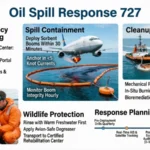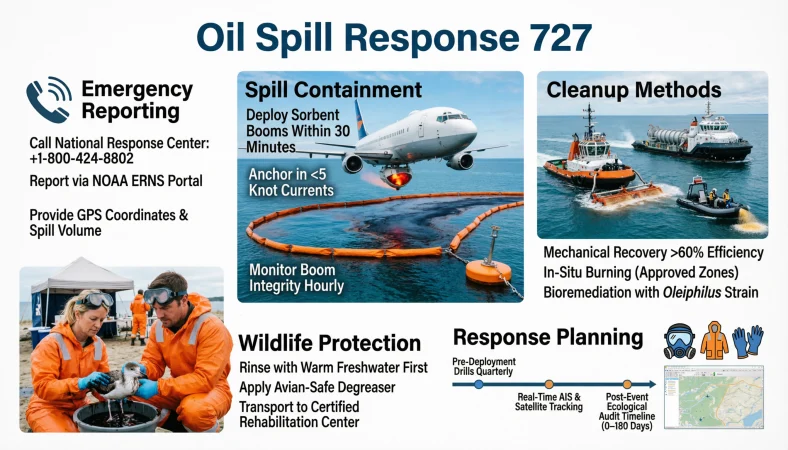
Oil spill response 727 may refer to a specific oil spill response identifier, course, service, or incident reference, depending on the context in which you encountered it. Before treating it as an official procedure, verify what “727” refers to and follow the applicable spill response plan, safety instructions, and reporting requirements.
Top related terms: Oil Spill Emergency Response, Oil Spill Cleanup Procedures, Marine Pollution Response, Oil Spill Containment Methods, Oil Spill Safety Guidelines
Oil spills are not the kind of mess you can fix with paper towels and a determined attitude. Whether a spill happens at a workplace, near a waterway, or during fuel handling, the right response can help protect people, wildlife, and the environment.
If you are searching for oil spill response 727, the first step is understanding the specific reference behind the phrase.
The number alone does not establish a universally recognized cleanup method or emergency standard. Knowing how to recognize a spill, report it, keep people away, and contact trained responders is essential.
The following guide covers practical response examples, communication templates, safety considerations, and career-related terminology so you can understand the topic without confusing a search phrase with an official emergency procedure.
Understanding the Oil Spill Response 727 Reference
Clarifying the Meaning of 727
1. Check the Full Reference
Example: Use this step when “oil spill response 727” appears in a document, search result, or training note.
Meaning: The surrounding context may explain whether 727 refers to an aircraft, identifier, or another subject.
2. Distinguish the Aircraft From the Procedure
Example: Use this clarification when reading about the Boeing 727 used for aerial oil spill dispersant operations.
Meaning: An aircraft number is not automatically the name of a cleanup procedure.
3. Understand Aerial Dispersant Operations
Example: Use this topic when researching how specialized aircraft can apply approved dispersants during certain offshore incidents.
Meaning: Aerial application is one possible response technique, not a universal solution for every spill.
Verifying Sources and Official Documentation
4. Identify the Responsible Organization
Example: Check the organization named in a training manual or operational document.
Meaning: The organization can help verify what a particular reference means.
5. Check the Publication Date
Example: Review the date of an oil spill response plan before relying on its procedures.
Meaning: Older documents may not reflect current equipment, contacts, or requirements.
6. Look for an Official Procedure Number
Example: Compare the reference with the document’s contents page and revision history.
Meaning: This helps determine whether 727 is a formal document or procedure identifier.
Examining the Operational Context
7. Verify the Incident Location
Example: Check whether the source describes an offshore spill, shoreline release, or industrial accident.
Meaning: Location influences which authorities and response methods may apply.
8. Review the Operational Context
Example: Read the paragraphs around the reference in an aircraft, cleanup, or emergency management report.
Meaning: Context helps prevent confusion between different uses of the number.
9. Check Equipment Descriptions
Example: Look for references to spray systems, response vessels, containment booms, or monitoring equipment.
Meaning: Equipment details can clarify which operation the document describes.
Confirming and Recording the Findings
10. Confirm the Intended Audience
Example: Determine whether a document is written for pilots, spill responders, facility staff, or the public.
Meaning: Intended readers help explain how the information should be interpreted.
11. Separate Facts From Assumptions
Example: Avoid describing 727 as an official response standard unless a reliable source confirms it.
Meaning: Accurate wording keeps your research trustworthy.
12. Record the Verified Meaning
Example: Add the confirmed definition and its source to your research notes.
Meaning: A clear record helps you use the reference consistently.
Oil Spill Response Procedures for Initial Emergencies
Raise the Alarm and Protect People
1. Raise the Alarm
Example: Use this action when a spill is discovered at a facility, port, or worksite.
Meaning: Alert the designated emergency contact and activate the applicable response plan.
2. Protect Human Safety First
Example: Prioritize people who may be exposed to fumes, fire, or hazardous chemicals.
Meaning: Protecting life takes priority over saving equipment or beginning cleanup.
3. Keep People Away
Example: Establish a safe exclusion area around a spill when authorized and safe to do so.
Meaning: You reduce the risk of accidental contact or exposure.
Recognize Hazards and Report the Spill
4. Avoid Ignition Sources
Example: Treat fuel releases as potential fire hazards and follow site emergency instructions.
Meaning: Some petroleum products can ignite and create serious danger.
5. Report the Spill Promptly
Example: Provide the designated response team with the location, observed material, and known hazards.
Meaning: Early reporting helps qualified responders assess the situation.
6. Do Not Touch Unknown Substances
Example: Avoid handling a liquid when its identity or hazards are uncertain.
Meaning: The material may be toxic, corrosive, or flammable.
Maintain a Safe Distance and Follow Procedures
7. Stay Upwind When Appropriate
Example: Move away from fumes according to the site’s emergency instructions and conditions.
Meaning: Avoiding exposure to airborne contaminants can reduce health risks.
8. Prevent Unnecessary Entry
Example: Keep unauthorized people out of contaminated areas while responders assess the scene.
Meaning: Restricted access limits exposure and interference with response work.
9. Follow the Emergency Plan
Example: Use the site’s approved notification and evacuation procedures rather than improvising.
Meaning: Established plans help coordinate a safer response.
Communicate Clearly and Leave Cleanup to Professionals
10. Share Accurate Observations
Example: Report visible sheen, smoke, odors, and the approximate spill location without approaching it.
Meaning: Observations help responders understand the incident without putting you at risk.
11. Do Not Wash Oil Into Drains
Example: Avoid using water to push spilled oil toward storm drains or waterways.
Meaning: This can spread contamination and make cleanup more difficult.
12. Wait for Trained Responders
Example: Leave containment and cleanup to personnel equipped and authorized for the incident.
Meaning: Professional assessment helps prevent injuries and further environmental damage.
Oil Spill Response Equipment and Its Uses
Oil Containment and Recovery Equipment
1. Containment Booms
Example: Include booms in an overview of equipment used to limit the movement of oil on water.
Meaning: Booms can help restrict the spread of floating oil when conditions allow.
2. Oil-Absorbent Materials
Example: Describe approved absorbent pads used by trained personnel for suitable small releases.
Meaning: Absorbents can collect certain oils and help manage limited contamination.
3. Skimming Systems
Example: Explain how specialized skimmers recover oil from the water’s surface.
Meaning: Skimmers remove collected oil for appropriate storage and disposal.
Storage and Personal Protection Equipment
4. Temporary Storage Tanks
Example: Include temporary storage in plans for collecting recovered oil and oily water.
Meaning: Contaminated material needs suitable containment until it can be managed safely.
5. Protective Clothing
Example: Refer to protective equipment selected through a hazard assessment.
Meaning: Appropriate clothing helps reduce exposure to oil and other contaminants.
6. Respiratory Protection
Example: Mention respiratory equipment when the hazard assessment identifies airborne risks.
Meaning: The correct protection depends on the contaminant and exposure conditions.
Marine Operations and Aerial Surveillance
7. Marine Response Vessels
Example: Describe specialized vessels used to deploy equipment and support offshore operations.
Meaning: Vessels help response teams reach and manage incidents on the water.
8. Aerial Surveillance Aircraft
Example: Explain how aircraft can observe oil slicks and help map affected areas.
Meaning: Aerial observations can improve situational awareness.
9. Aerial Dispersant Systems
Example: Discuss specialized aircraft fitted to apply approved dispersants in suitable circumstances.
Meaning: These systems can support selected offshore responses under authorized plans.
Monitoring, Communication, and Waste Management
10. Monitoring Instruments
Example: Include instruments used to assess environmental conditions and response effectiveness.
Meaning: Monitoring helps responders understand changing conditions and potential impacts.
11. Communication Equipment
Example: Describe radios and other approved systems used by response teams.
Meaning: Reliable communication supports coordination and emergency decision-making.
12. Waste Containers and Labels
Example: Include suitable containers for contaminated absorbents and recovered material.
Meaning: Correct containment and labeling support safe transport and disposal.
Oil Spill Response Methods for Water and Shorelines
Oil Containment and Recovery on Water
1. Containment on Water
Example: Describe boom deployment as a possible method when water, weather, and oil conditions permit.
Meaning: Containment attempts to limit oil movement and protect sensitive areas.
2. Mechanical Recovery
Example: Explain how skimmers and recovery equipment can collect oil from the water’s surface.
Meaning: Mechanical recovery physically removes oil rather than leaving it in place.
3. Shoreline Assessment
Example: Include an assessment of affected beaches, wetlands, or rocky shorelines in a response plan.
Meaning: Assessment helps determine the extent of contamination and suitable cleanup priorities.
Shoreline Cleanup and Specialized Methods
4. Manual Shoreline Cleanup
Example: Describe trained teams collecting contaminated debris under an approved cleanup plan.
Meaning: Controlled manual work can remove oil from certain accessible shorelines.
5. Vacuum Recovery
Example: Explain that specialized vacuum systems may recover suitable accumulations of oil and oily water.
Meaning: Vacuum recovery can remove material from selected areas without relying on absorbents alone.
6. Approved Sorbent Use
Example: Describe responders using suitable sorbents for a specific spill and surface.
Meaning: Sorbents can collect oil where their properties and the conditions make them appropriate.
Specialized Response and Habitat Protection
7. Dispersant Use
Example: Include dispersants as a potential option only when authorized and environmentally appropriate.
Meaning: Dispersants break oil into smaller droplets but do not remove its total mass from the environment.
8. In-Situ Burning
Example: Discuss controlled burning only as a specialized option under strict operational and regulatory controls.
Meaning: Burning may reduce some surface oil but creates smoke and other risks.
9. Protection of Sensitive Habitats
Example: Include response priorities for wetlands, breeding grounds, and other vulnerable ecosystems.
Meaning: Protecting sensitive locations can reduce long-term ecological harm.
Wildlife Care and Environmental Recovery
10. Wildlife Response Coordination
Example: Explain how trained wildlife specialists assess and manage affected animals.
Meaning: Qualified care helps reduce additional harm to contaminated wildlife.
11. Environmental Monitoring
Example: Include water, sediment, or shoreline monitoring where the response plan requires it.
Meaning: Monitoring helps assess contamination and recovery over time.
12. Restoration Planning
Example: Describe follow-up work to evaluate and restore affected habitats after cleanup.
Meaning: Removing visible oil may not be enough to address all environmental damage.
Oil Spill Response Plans for Workplaces and Facilities
Risk Assessment and Emergency Responsibilities
1. Identify Spill Risks
Example: Review areas where fuel, lubricants, or other petroleum products are stored or transferred.
Meaning: Risk identification helps determine where prevention and response measures are needed.
2. Assign Response Responsibilities
Example: Define who reports incidents, contacts responders, and coordinates evacuation.
Meaning: Clear responsibilities reduce confusion during an emergency.
3. Maintain Emergency Contacts
Example: Keep current contact details for internal safety teams and applicable response authorities.
Meaning: Accurate contacts help notifications reach the right people quickly.
Site Preparation and Response Resources
4. Map Drains and Waterways
Example: Mark storm drains, channels, and nearby water bodies on facility response maps.
Meaning: These features can be important pathways for spilled oil.
5. Store Equipment Correctly
Example: Check that designated response equipment is accessible and maintained.
Meaning: Suitable equipment must be ready when a spill occurs.
6. Train Employees
Example: Provide role-appropriate training on recognition, reporting, evacuation, and safety.
Meaning: Staff can respond appropriately without taking on tasks beyond their training.
Reporting, Compliance, and Prevention
7. Establish Reporting Procedures
Example: Use a standard incident form to record time, location, material, and observations.
Meaning: Consistent reporting improves incident management and recordkeeping.
8. Plan for Contractors
Example: Explain site spill procedures to contractors who handle fuel or chemicals.
Meaning: Everyone working at the facility should understand relevant emergency rules.
9. Review Regulatory Duties
Example: Confirm applicable spill reporting and planning requirements with qualified compliance personnel.
Meaning: Requirements depend on location, material, quantity, and the type of facility.
Inspections, Exercises, and Plan Updates
10. Inspect Storage Areas
Example: Schedule inspections of tanks, containers, transfer points, and secondary containment.
Meaning: Routine checks can help identify leaks before they become larger incidents.
11. Run Practice Exercises
Example: Use a tabletop scenario to rehearse notifications and decision-making.
Meaning: Exercises reveal gaps before an actual emergency occurs.
12. Update the Plan
Example: Revise procedures after drills, equipment changes, or lessons learned from an incident.
Meaning: Current plans are more likely to reflect real operating conditions.
Oil Spill Response Training and Exercises
Example: Teach employees to recognize sheen, leaks, damaged containers, and unusual odors from a safe distance.
Meaning: Early recognition supports faster reporting.
2. Emergency Notification Drills
Example: Rehearse the steps for contacting the site response lead and emergency services.
Meaning: Practice reduces delays when communication matters.
3. Tabletop Exercises
Example: Walk through a simulated spill using maps, roles, and decision points.
Meaning: Tabletop exercises test planning without releasing oil.
4. Equipment Familiarization
Example: Train authorized personnel to identify the purpose and limitations of response equipment.
Meaning: Familiarity helps teams prepare without encouraging unsafe improvisation.
Example: Simulate coordination between operations, safety, environmental staff, and external responders.
Meaning: Shared procedures help teams work toward the same objectives.
6. Environmental Sensitivity Exercises
Example: Use a map-based scenario to identify vulnerable habitats and nearby water supplies.
Meaning: Teams practice prioritizing environmental protection.
7. Aerial Response Simulations
Example: Review how aircraft, vessels, and ground teams exchange information during a planned exercise.
Meaning: Coordinated planning is essential when aerial response capabilities are involved.
8. Communication Testing
Example: Check approved radio channels and backup communication methods during a drill.
Meaning: Reliable communications help reduce coordination failures.
9. PPE Awareness
Example: Train staff to understand the limits of protective equipment and when to withdraw.
Meaning: PPE does not make every spill safe to approach.
10. Waste Handling Exercises
Example: Practice the documentation and labeling process using clean training materials.
Meaning: Teams learn how contaminated waste should be tracked.
11. After-Action Reviews
Example: Record what went well and what needs improvement after an exercise.
Meaning: Reviews turn practice into practical improvements.
12. Refresher Training
Example: Schedule refreshers when procedures change or a review identifies a knowledge gap.
Meaning: Regular training keeps response expectations clear.
Oil Spill Response Careers and Specialist Roles
Field Response and Marine Operations
1. Oil Spill Response Technician
Example: Explore technician vacancies that specify training, equipment, and fieldwork requirements.
Meaning: Technicians may assist with containment, recovery, and cleanup under established procedures.
2. Environmental Response Specialist
Example: Consider roles involving spill assessment, environmental sampling, and response coordination.
Meaning: These specialists help evaluate and manage environmental impacts.
3. Marine Operations Coordinator
Example: Review positions that coordinate vessels, crews, and offshore response logistics.
Meaning: Coordinators support the practical deployment of marine resources.
Leadership and Emergency Preparedness
4. Spill Response Team Leader
Example: Look for leadership roles that require field experience and team coordination.
Meaning: Team leaders help organize response activities and maintain safety.
5. Environmental Scientist
Example: Explore work involving water quality, habitat impacts, and environmental monitoring.
Meaning: Scientists contribute technical evidence to spill assessment and recovery.
6. Emergency Planning Specialist
Example: Consider positions that develop response plans, drills, and emergency procedures.
Meaning: These professionals help organizations prepare before incidents happen.
Specialized Operations and Safety
7. Oil Spill Aircraft Crew
Example: Research specialist aviation roles and the training required for aerial response operations.
Meaning: Qualified aviation teams can support surveillance or authorized dispersant operations.
8. Logistics Coordinator
Example: Review roles that manage equipment, supplies, transport, and response resources.
Meaning: Logistics staff help ensure responders have the resources they need.
9. Safety Officer
Example: Explore positions focused on hazard assessment, safe work practices, and field oversight.
Meaning: Safety personnel help identify risks and reduce exposure.
Wildlife Recovery and Incident Management
10. Wildlife Response Specialist
Example: Research qualified roles involving wildlife assessment and rehabilitation coordination.
Meaning: These specialists help address harm to animals affected by oil.
11. Incident Documentation Specialist
Example: Consider roles that maintain timelines, operational records, and response reports.
Meaning: Accurate records support coordination, accountability, and later review.
12. Environmental Restoration Coordinator
Example: Explore work involving post-spill restoration planning and progress monitoring.
Meaning: These specialists help support longer-term environmental recovery.
Oil Spill Response Communication Templates
Initial Reports and Safety Notices
1. Initial Spill Report
Example: Use a factual report when notifying the designated site emergency contact.
Meaning: It shares essential information without speculation.
Suggested wording: “An oil spill has been observed at [location]. The material and quantity are not yet confirmed. The area is being kept clear while the response team is notified.”
2. Unknown Substance Notice
Example: Use this when the spilled material has not been safely identified.
Meaning: It warns others not to assume the substance is harmless.
Suggested wording: “An unidentified liquid has been reported at [location]. Please avoid the area and follow site safety instructions.”
3. Environmental Concern Report
Example: Use this when a sheen or suspected oil release is observed near a drain or waterway.
Meaning: It highlights a possible pathway for environmental contamination.
Suggested wording: “A suspected oil sheen has been observed near [location]. The condition has been reported for assessment by the appropriate response personnel.”
Workplace Coordination and Management Updates
4. Employee Safety Notice
Example: Use this when people need to be warned away from an affected area.
Meaning: It communicates a clear precaution without creating unnecessary alarm.
Suggested wording: “Please avoid [area] until the response team confirms it is safe to return. Follow posted instructions and any directions from authorized personnel.”
5. Management Update
Example: Use this to provide a brief factual update to a supervisor.
Meaning: It keeps decision-makers informed about the incident status.
Suggested wording: “The reported spill at [location] has been escalated to the designated response team. Assessment is pending, and further updates will be shared when verified.”
6. Contractor Notification
Example: Use this when contractors need to avoid an affected work zone.
Meaning: It helps prevent accidental entry during the response.
Suggested wording: “Work near [location] is temporarily restricted due to a reported spill. Please follow site instructions and wait for authorization before resuming work.”
External Communication and Response Support
7. Public Information Statement
Example: Use this only when authorized to communicate verified information externally.
Meaning: It helps share accurate information without speculation.
Suggested wording: “We are assessing a reported oil release at [location]. Appropriate response personnel have been notified, and updates will be provided through official channels.”
8. Request for Specialist Support
Example: Use this when a designated coordinator needs additional qualified response resources.
Meaning: It identifies the need for support through the established process.
Suggested wording: “Specialist assistance may be required for the reported spill at [location]. Please assess the incident details and advise on the appropriate response resources.”
9. Incident Timeline Entry
Example: Use this in a formal incident log after a report is received.
Meaning: It creates a time-stamped record for later review.
Suggested wording: “At [time], a suspected oil release was reported at [location]. The designated contact was notified, and the initial assessment was requested.”
Progress Updates and Post-Incident Reporting
10. Cleanup Status Update
Example: Use this when authorized responders provide a verified progress update.
Meaning: It communicates the current status without claiming the area is safe prematurely.
Suggested wording: “Response activities are ongoing at [location]. Access remains subject to instructions from the authorized incident lead.”
11. Exercise Announcement
Example: Use this when informing staff about a planned spill response drill.
Meaning: It prepares participants without suggesting a real incident is occurring.
Suggested wording: “A scheduled spill response exercise will take place at [time and location]. Follow the exercise instructions provided by the site coordinator.”
12. Post-Incident Summary
Example: Use this after the incident lead approves a factual summary.
Meaning: It records key events and next steps in a clear, professional way.
Suggested wording: “The reported spill at [location] has been reviewed by the response team. Follow-up actions and any required monitoring will be documented through the established process.”
Oil Spill Response Reporting and Documentation
Initial Incident Details
1. Record the Discovery Time
Example: Enter the time the spill was first observed or reported, distinguishing between the two if needed.
Meaning: Accurate timing helps establish an incident timeline.
2. Document the Location
Example: Record the facility area, nearby landmark, or approved coordinates without entering the spill zone.
Meaning: A precise location helps responders reach the incident.
3. Describe the Visible Material
Example: Record observable characteristics such as color and surface sheen without touching or testing the substance.
Meaning: Observations provide useful initial information while identification remains pending.
Spill Assessment and Response Coordination
4. Estimate the Affected Area
Example: Use safe observations or authorized monitoring information to describe the apparent extent.
Meaning: A preliminary estimate helps responders plan their assessment.
5. Identify Potential Pathways
Example: Note nearby drains, channels, soil, or water that could be affected.
Meaning: Potential pathways help responders prioritize protective measures.
6. Record Notifications
Example: Document which designated contacts were notified and when.
Meaning: A notification log supports accountability and coordination.
Response Activities and Evidence Management
7. Track Response Decisions
Example: Record decisions made by the authorized incident lead and the reasons provided.
Meaning: Decision records support later evaluation and reporting.
8. Document Resources Used
Example: Record equipment and personnel deployed by the response team.
Meaning: Resource records help track operations and identify additional needs.
9. Maintain Evidence Integrity
Example: Follow approved procedures when collecting photographs, samples, or other evidence.
Meaning: Proper handling helps preserve the reliability of incident records.
Waste Tracking and Final Reporting
10. Record Waste Transfers
Example: Document the type and quantity of recovered waste when this information is available.
Meaning: Tracking supports responsible handling and disposal.
11. Log Environmental Monitoring
Example: Record monitoring results, sampling times, and the responsible personnel.
Meaning: Consistent records help assess environmental conditions over time.
12. Prepare an After-Action Report
Example: Summarize verified facts, response activities, outcomes, and recommended improvements.
Meaning: A structured report helps prevent similar incidents and strengthen future plans.
Oil Spill Response Environmental Impacts
Wildlife and Aquatic Ecosystems
1. Harm to Marine Wildlife
Example: Include wildlife observations in an environmental assessment after a marine spill.
Meaning: Oil can affect animals through contact, ingestion, and exposure to harmful compounds.
2. Damage to Coastal Habitats
Example: Assess potentially affected marshes, beaches, and mangrove areas.
Meaning: Oil may disrupt habitats that support coastal wildlife.
3. Water Quality Concerns
Example: Arrange appropriate monitoring when oil is suspected of entering a waterway.
Meaning: Monitoring helps determine whether water conditions have been affected.
Effects on Birds, Fish, and Fisheries
4. Impacts on Birds
Example: Include trained wildlife assessments when birds may have contacted spilled oil.
Meaning: Oil can damage feather function and create serious health risks.
5. Risks to Fish and Aquatic Life
Example: Consider the potential effects of oil and its chemical components during an environmental assessment.
Meaning: Exposure can harm aquatic organisms, depending on the substance and conditions.
6. Effects on Fisheries
Example: Evaluate potential effects on fishing areas when a spill occurs near productive waters.
Meaning: Contamination can affect aquatic resources and local livelihoods.
Shoreline, Economic, and Cleanup Impacts
7. Shoreline Contamination
Example: Survey affected shoreline sections through an authorized assessment team.
Meaning: Oil can remain in sediment or coastal material after the initial release.
8. Economic Disruption
Example: Include potential impacts on tourism, shipping, and local businesses in an impact assessment.
Meaning: Oil spills can create financial consequences beyond the immediate cleanup.
9. Long-Term Habitat Recovery
Example: Monitor a sensitive area after visible oil has been removed.
Meaning: Environmental recovery may take longer than surface cleanup.
Waste Management and Environmental Restoration
10. Risks From Cleanup Activities
Example: Assess whether a proposed cleanup method could disturb wildlife or fragile habitat.
Meaning: Response methods should reduce overall harm rather than create avoidable damage.
11. Waste Management Impacts
Example: Track contaminated absorbents, sediment, and recovered oil through approved disposal channels.
Meaning: Improper handling can spread contamination to new locations.
12. Restoration and Follow-Up
Example: Include monitoring and restoration actions in the post-incident plan where needed.
Meaning: Follow-up work helps determine whether affected environments are recovering.
Oil Spill Response Challenges and Common Mistakes
Early Reporting and Spill Assessment
1. Delayed Reporting
Example: Report a suspected spill promptly rather than waiting to confirm its full size.
Meaning: Early notification gives qualified responders more time to assess the threat.
2. Underestimating the Spill
Example: Avoid assuming a thin sheen represents a harmless release.
Meaning: Appearance alone cannot reliably establish the risk or total quantity.
3. Using the Wrong Absorbent
Example: Leave material selection to trained personnel who understand the substance and conditions.
Meaning: An unsuitable product may be ineffective or create additional hazards.
Personnel Safety and Environmental Protection
4. Entering a Spill Area Without Training
Example: Stay outside the restricted zone unless authorized and properly equipped.
Meaning: Untrained entry can expose people to dangerous chemicals or unstable conditions.
5. Ignoring Weather and Water Conditions
Example: Ensure response planners consider wind, currents, waves, and forecasts.
Meaning: Environmental conditions can affect where oil moves and which methods are suitable.
6. Using Dispersants Without Approval
Example: Follow the applicable authorization process before any dispersant application.
Meaning: Dispersants are not appropriate for every oil type, location, or incident.
Communication and Operational Coordination
7. Failing to Protect Drains
Example: Notify responders when a spill could reach a storm drain or waterway.
Meaning: Drainage systems may carry oil beyond the original site.
8. Poor Communication
Example: Use designated channels and report verified facts during the response.
Meaning: Clear communication reduces confusion and conflicting instructions.
9. Inadequate Waste Tracking
Example: Keep the required records for recovered oil and contaminated materials.
Meaning: Missing records can complicate transport, disposal, and compliance.
Training, Recovery, and Continuous Improvement
10. Skipping Response Exercises
Example: Schedule realistic drills and review the results with the response team.
Meaning: Practice helps identify weaknesses before an actual emergency.
11. Declaring an Area Safe Too Early
Example: Wait for the authorized lead to confirm reopening conditions.
Meaning: Visible cleanup does not necessarily mean every hazard has been removed.
12. Neglecting Lessons Learned
Example: Update procedures after reviewing an incident or exercise.
Meaning: Corrective actions help improve future response performance.
FAQs
What does oil spill response 727 mean?
The phrase is ambiguous. It may refer to a Boeing 727 used in aerial dispersant operations or another specific reference.
Is the Boeing 727 used for oil spill response?
Yes. Specially equipped Boeing 727 aircraft have supported aerial dispersant operations for certain offshore oil spills.
Is 727 an official oil spill cleanup procedure?
The number alone does not establish an official procedure. Verify it against the original document or organization.
What should I do when I discover an oil spill?
Keep people away, avoid contact, report it promptly, and follow the site emergency plan.
Can anyone clean up an oil spill?
No. Cleanup should be handled by trained, authorized personnel using appropriate equipment and procedures.
What equipment is used in oil spill response?
Equipment may include booms, skimmers, absorbents, protective gear, monitoring instruments, and recovery vessels.
Are dispersants used for every oil spill?
No. Their use depends on the spill, environmental conditions, applicable approvals, and the response plan.
How is oil removed from water?
Responders may use containment booms, skimmers, or other approved techniques suited to the conditions.
Why is oil spill reporting important?
Prompt reporting helps responders assess risks, protect people, and limit potential environmental damage.
Can oil spills affect wildlife?
Yes. Oil can harm birds, fish, marine mammals, and other wildlife through exposure and contamination.
What jobs involve oil spill response?
Roles include response technicians, environmental specialists, marine coordinators, safety officers, and wildlife responders.
How can organizations prepare for an oil spill?
They can maintain response plans, train staff, inspect equipment, establish reporting procedures, and conduct exercises.
Conclusion
Understanding oil spill response 727 starts with confirming what the reference actually means. It may relate to specialized aviation used in oil spill response, but the number alone should not be treated as a universal cleanup standard. Whatever the context, effective spill management depends on prompt reporting, protection of human safety, appropriate containment and recovery methods, environmental assessment, and clear coordination among trained responders.
Organizations can strengthen their readiness through practical exercises, accurate documentation, and regularly reviewed response plans. If you are researching this topic for work, study, or an article, save this guide for reference and share it with anyone learning about environmental emergency preparedness. Stay informed, stay safe, and always follow approved procedures.