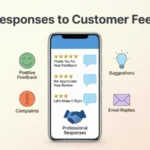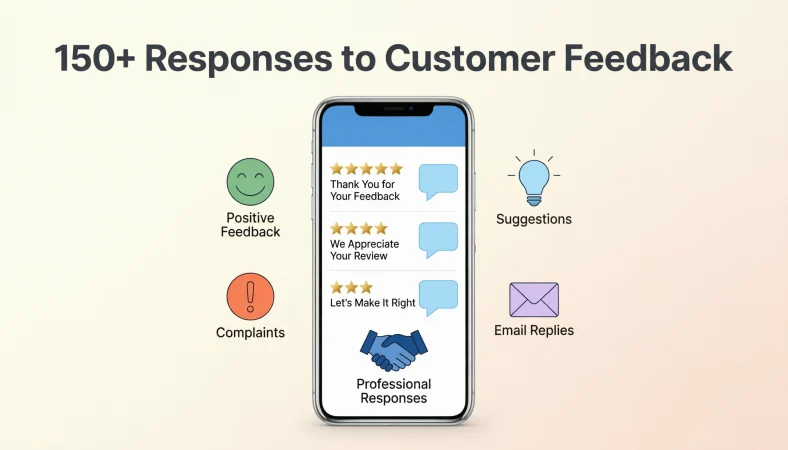
The best response to customer feedback acknowledges the customer’s experience, shows appreciation, and offers a helpful next step when needed. Whether the feedback is positive, negative, or mixed, a thoughtful reply helps build trust and makes customers feel heard.
Top alternatives: Thank you for your feedback, We appreciate your honest review, We’re glad you shared your experience, Thank you for helping us improve, We value your opinion
Ever received a customer review that made you smile, pause, or wonder how to respond without sounding like a copy-paste robot? You’re not alone. Whether you manage a small business, an online store, a restaurant, or a growing brand, customer feedback is part of the daily routine.
A thoughtful response can turn a happy customer into a loyal supporter and show an unhappy customer that their concerns matter.
Finding the right response to customer feedback is about more than saying thank you. It means listening carefully, acknowledging the customer’s experience, and choosing words that fit the situation.
A positive review deserves genuine appreciation, while a complaint needs patience and a practical solution. Even neutral feedback can reveal opportunities to improve.
With the examples below, you’ll have ready-to-use responses for emails, review platforms, social media comments, surveys, and customer support messages. No awkward corporate speeches required!
Friendly Responses to Customer Feedback
Warm and Appreciative Responses
1. Thanks so much for sharing your experience!
Example: Use this when a customer leaves a friendly review about your service.
Meaning: Shows appreciation in a warm and approachable way.
2. We really appreciate you taking the time to write this.
Example: Use this when a customer provides thoughtful feedback after a purchase.
Meaning: Recognizes the effort behind the customer’s message.
3. Your feedback means a lot to our team!
Example: Use this when a customer praises your staff or overall experience.
Meaning: Makes the customer feel valued and appreciated.
Celebrating Positive Customer Experiences
4. We’re so glad you had a great experience with us.
Example: Use this after a positive review about a smooth service experience.
Meaning: Reinforces the customer’s satisfaction.
5. Thanks for being part of our community!
Example: Use this when responding to a loyal customer’s public review.
Meaning: Builds a sense of connection and belonging.
6. It’s wonderful to hear that we met your expectations.
Example: Use this when a customer confirms that a product or service delivered as promised.
Meaning: Expresses happiness that the experience was successful.
Showing Gratitude and Building Trust
7. We appreciate your kind words!
Example: Use this when a customer compliments your team’s helpfulness.
Meaning: Offers a simple and sincere acknowledgment.
8. Thanks for giving us the chance to serve you.
Example: Use this after a customer shares a positive service experience.
Meaning: Shows gratitude for the customer’s trust.
9. We’re happy to hear that everything went smoothly.
Example: Use this when a customer praises an easy booking or checkout process.
Meaning: Highlights the value of a hassle-free experience.
Encouraging Loyalty and Sharing Enthusiasm
10. Your support keeps us motivated!
Example: Use this when a returning customer leaves an encouraging review.
Meaning: Communicates that customer support inspires the team.
11. We’re grateful you chose us!
Example: Use this after a customer explains why they selected your business.
Meaning: Acknowledges the customer’s decision to trust your brand.
12. Thanks for making our day with this feedback!
Example: Use this for an upbeat review that deserves a personal touch.
Meaning: Shares genuine enthusiasm without sounding overly formal.
Professional Responses to Customer Feedback
Formal and Courteous Customer Acknowledgments
1. Thank you for sharing your valuable feedback.
Example: Use this in a business email or formal review response.
Meaning: Acknowledges the customer’s input professionally.
2. We appreciate you bringing this to our attention.
Example: Use this when a customer identifies a concern or improvement opportunity.
Meaning: Shows that the feedback has been taken seriously.
3. Thank you for choosing our company and sharing your experience.
Example: Use this when replying to a client after a completed project.
Meaning: Combines appreciation with professional courtesy.
Valuing Customer Opinions and Suggestions
4. Your comments are important to our continued improvement.
Example: Use this when responding to constructive feedback from a business client.
Meaning: Shows that the organization values learning and development.
5. We appreciate the opportunity to address your concerns.
Example: Use this when a customer raises an issue through a formal channel.
Meaning: Signals a willingness to work toward a resolution.
6. Thank you for your candid and thoughtful comments.
Example: Use this after receiving detailed feedback about a service.
Meaning: Respects the customer’s honesty and effort.
Building Professional Relationships and Trust
7. We value your perspective and appreciate your time.
Example: Use this after a customer completes a feedback survey.
Meaning: Communicates respect for the customer’s opinion.
8. Your feedback will be shared with the relevant team.
Example: Use this when a customer reports a concern that needs internal review.
Meaning: Explains the next step without promising an outcome prematurely.
9. We appreciate your continued confidence in our services.
Example: Use this when an established client shares positive feedback.
Meaning: Recognizes an ongoing professional relationship.
Addressing Concerns and Following Up Professionally
10. Thank you for helping us identify areas for improvement.
Example: Use this after a client points out a process issue.
Meaning: Frames constructive criticism as a useful opportunity.
11. We take your comments seriously and appreciate your input.
Example: Use this when responding to a formal complaint or suggestion.
Meaning: Shows accountability and attention.
12. Thank you for your feedback. We will review it carefully.
Example: Use this when a customer submits a detailed concern that requires investigation.
Meaning: Sets a clear and professional expectation for follow-up.
Short Responses to Customer Feedback
Quick and Friendly Acknowledgments
1. Thanks for your feedback!
Example: Use this for a quick reply to a simple customer comment.
Meaning: Expresses appreciation without unnecessary detail.
2. We appreciate it!
Example: Use this when a customer shares a brief compliment.
Meaning: Keeps the response friendly and concise.
3. Thanks for letting us know.
Example: Use this when a customer shares a suggestion or concern.
Meaning: Acknowledges the message directly.
Showing Appreciation for Customer Support
4. We’re glad you shared this!
Example: Use this for a short response to a useful customer suggestion.
Meaning: Encourages customers to keep sharing their thoughts.
5. Thanks for choosing us!
Example: Use this after a positive purchase review.
Meaning: Shows gratitude for the customer’s business.
6. Your opinion matters to us.
Example: Use this when acknowledging a survey response.
Meaning: Reinforces that customer input is important.
Acknowledging Concerns and Constructive Feedback
7. Thanks for the kind words!
Example: Use this when a customer posts a quick compliment online.
Meaning: Responds warmly to positive feedback.
8. We hear you. Thank you!
Example: Use this when a customer raises a concern that deserves acknowledgment.
Meaning: Signals that the customer’s message has been noticed.
9. Noted, and thank you for sharing.
Example: Use this when confirming receipt of a practical suggestion.
Meaning: Acknowledges the information in a direct way.
Encouraging Improvement and Building Trust
10. Thanks for helping us improve.
Example: Use this when a customer points out a minor issue.
Meaning: Shows appreciation for constructive input.
11. We’re grateful for your support!
Example: Use this after a positive comment from a returning customer.
Meaning: Expresses appreciation for the relationship.
12. Thank you for the honest review!
Example: Use this when a customer gives balanced feedback.
Meaning: Appreciates transparency and candor.
Responses to Positive Customer Feedback
Expressing Appreciation for Positive Reviews
1. We’re thrilled to hear you loved your experience!
Example: Use this when a customer leaves an enthusiastic five-star review.
Meaning: Matches the customer’s excitement with genuine appreciation.
2. Thank you for the wonderful review!
Example: Use this when a customer publicly recommends your business.
Meaning: Acknowledges the positive review and its value.
3. We’re delighted that you enjoyed our service.
Example: Use this when a customer praises the quality of your service.
Meaning: Shows satisfaction that the service met the customer’s needs.
Celebrating Customer Happiness and Team Efforts
4. Your kind words mean so much to our team.
Example: Use this when a customer compliments an employee’s helpfulness.
Meaning: Highlights the personal value of the feedback.
5. We’re happy we could make your day a little better!
Example: Use this after a customer describes a particularly pleasant experience.
Meaning: Connects the service experience with the customer’s happiness.
6. Thanks for recommending us to others!
Example: Use this when a customer says they would recommend your business.
Meaning: Appreciates the customer’s willingness to share their experience.
Recognizing Product Quality and Customer Trust
7. We’re glad our product worked well for you.
Example: Use this when a customer praises a product’s performance.
Meaning: Confirms that the product delivered a useful result.
8. It’s great to know our team made a positive impression.
Example: Use this when a review specifically mentions helpful staff.
Meaning: Recognizes the team’s contribution to customer satisfaction.
9. We appreciate your trust and support.
Example: Use this when a customer expresses confidence in your brand.
Meaning: Reinforces the importance of customer trust.
Building Lasting Customer Relationships
10. Your feedback reminds us why we love what we do.
Example: Use this after receiving an especially thoughtful compliment.
Meaning: Communicates enthusiasm for serving customers.
11. Thank you for making us part of your experience!
Example: Use this when a customer shares a positive story involving your business.
Meaning: Makes the acknowledgment feel personal and meaningful.
12. We look forward to welcoming you back!
Example: Use this after a positive review from a restaurant, hotel, or service provider.
Meaning: Invites the customer to return without pressure.
Responses to Negative Customer Feedback
Acknowledging Customer Dissatisfaction
1. We’re sorry your experience didn’t meet expectations.
Example: Use this when a customer reports disappointing service.
Meaning: Acknowledges dissatisfaction without arguing.
2. Thank you for bringing this issue to our attention.
Example: Use this when a customer identifies a service or product problem.
Meaning: Shows appreciation for the chance to address the issue.
3. We understand how frustrating this must have been.
Example: Use this when a customer describes a delayed order or repeated inconvenience.
Meaning: Recognizes the emotional impact of the problem.
Taking Responsibility and Offering Solutions
4. We’re sorry we missed the mark this time.
Example: Use this when the experience fell short of the customer’s expectations.
Meaning: Takes responsibility in a straightforward, human way.
5. Your concerns deserve our attention.
Example: Use this when a complaint needs careful investigation.
Meaning: Assures the customer that their issue matters.
6. We’d appreciate the opportunity to make this right.
Example: Use this when a customer is unhappy and a resolution may be possible.
Meaning: Expresses a willingness to repair the experience.
Investigating Issues and Managing Expectations
7. Thank you for your patience while we look into this.
Example: Use this when a complaint requires time to investigate.
Meaning: Acknowledges the customer’s wait and sets a realistic expectation.
8. We’re reviewing what happened so we can address it properly.
Example: Use this when the cause of a service failure is not yet clear.
Meaning: Communicates that the concern is being investigated.
9. We’re sorry for the inconvenience this caused.
Example: Use this when a customer experiences a practical disruption.
Meaning: Recognizes the trouble caused by the issue.
Learning From Feedback and Moving Toward Resolution
10. We appreciate your honesty and the chance to learn from it.
Example: Use this when a customer provides candid criticism.
Meaning: Treats negative feedback as an opportunity for improvement.
11. We’d like to understand the details so we can help.
Example: Use this when more information is needed to resolve a complaint.
Meaning: Invites the customer to explain the issue further.
12. Please contact our support team so we can review this with you.
Example: Use this when account or order details need to be discussed privately.
Meaning: Directs the customer toward a suitable resolution channel.
Responses to Constructive Customer Feedback
Acknowledging Helpful Suggestions
1. Thank you for the suggestion. We’ll consider it carefully.
Example: Use this when a customer proposes a new feature or service improvement.
Meaning: Acknowledges the idea without promising implementation.
2. That’s a helpful point, and we appreciate you sharing it.
Example: Use this when a customer identifies a practical way to improve the experience.
Meaning: Shows that the suggestion has value.
3. Your feedback helps us see where we can do better.
Example: Use this after receiving a detailed critique of your process.
Meaning: Demonstrates a willingness to learn.
Recognizing Opportunities for Improvement
4. We appreciate your thoughtful recommendation.
Example: Use this when a customer suggests a change to your product or website.
Meaning: Respects the time and thought behind the idea.
5. Thanks for helping us spot an opportunity to improve.
Example: Use this when a customer identifies a confusing step in checkout.
Meaning: Turns the observation into a constructive opportunity.
6. We’ll share this idea with the appropriate team.
Example: Use this when a suggestion needs input from product or operations staff.
Meaning: Explains how the feedback can move forward.
Welcoming Different Perspectives and New Ideas
7. We hadn’t considered that perspective, so thank you.
Example: Use this when a customer offers a useful point you had overlooked.
Meaning: Shows openness to a different viewpoint.
8. Your suggestion gives us something valuable to explore.
Example: Use this when a customer proposes a possible service enhancement.
Meaning: Expresses interest while keeping expectations realistic.
9. We appreciate feedback that helps us grow.
Example: Use this after receiving balanced comments about a recent experience.
Meaning: Encourages honest and helpful communication.
Using Feedback to Drive Meaningful Changes
10. Thank you for being specific about what could improve.
Example: Use this when a customer identifies a clear issue and possible solution.
Meaning: Appreciates actionable details.
11. We’ll review your comments as part of our improvement efforts.
Example: Use this when several customers have raised similar concerns.
Meaning: Connects the feedback to ongoing evaluation.
12. Thanks for helping us make the experience better for everyone.
Example: Use this when a customer suggests a change that could benefit other users.
Meaning: Recognizes the broader value of the suggestion.
Responses to Customer Feedback on Social Media
Responding to Positive Comments and Praise
1. Thanks for sharing this with us!
Example: Use this under a positive Instagram or Facebook comment.
Meaning: Offers a warm acknowledgment suited to public platforms.
2. We’re so happy you had a great experience!
Example: Use this when someone praises your brand in a public post.
Meaning: Reinforces the positive experience for the customer and other readers.
3. Thanks for being part of our community!
Example: Use this when a regular follower comments about your service.
Meaning: Builds connection with your online audience.
Appreciating Engagement and Brand Mentions
4. We appreciate you taking a moment to let us know.
Example: Use this when a customer comments on a new product launch.
Meaning: Recognizes the customer’s engagement.
5. This feedback made our team’s day. Thank you!
Example: Use this when a customer shares a particularly kind public review.
Meaning: Adds personality while remaining professional.
6. We’re listening, and we appreciate you speaking up.
Example: Use this when a customer raises a concern in a comment.
Meaning: Shows openness to public feedback.
Welcoming Honest Opinions and Addressing Concerns
7. Thanks for the honest take!
Example: Use this when a customer posts a balanced opinion about your product.
Meaning: Acknowledges candid feedback in a relaxed tone.
8. We’re glad you gave us a shout-out!
Example: Use this when a customer tags your business in a positive post.
Meaning: Shows appreciation for the public mention.
9. Thanks for helping others discover us!
Example: Use this when a customer recommends your business to their followers.
Meaning: Appreciates the customer’s word-of-mouth support.
Building Community and Encouraging Conversation
10. We appreciate the heads-up and will look into it.
Example: Use this when a public comment identifies a possible issue.
Meaning: Acknowledges the concern and signals follow-up.
11. Thanks for sharing your perspective with our community.
Example: Use this when a customer posts a thoughtful comment on a brand page.
Meaning: Encourages respectful, open discussion.
12. We’re grateful you took the time to comment!
Example: Use this when replying to a customer who engages with your content.
Meaning: Makes the interaction feel appreciated rather than transactional.
Responses to Customer Feedback by Email
Opening Customer Feedback Emails Professionally
1. Thank you for your email and for sharing your feedback.
Example: Use this as an opening line in a customer service email.
Meaning: Establishes a courteous and professional tone.
2. We appreciate you taking the time to write to us.
Example: Use this when a customer sends a detailed message about their experience.
Meaning: Recognizes the effort involved in writing the email.
3. Thank you for explaining the situation so clearly.
Example: Use this when a customer provides useful details about an issue.
Meaning: Shows appreciation for information that helps with resolution.
Acknowledging Feedback and Reviewing Concerns
4. We have received your comments and will review them.
Example: Use this when confirming receipt of formal feedback.
Meaning: Reassures the customer that their message has arrived.
5. We appreciate your patience while we assess your concerns.
Example: Use this when the email requires investigation by another team.
Meaning: Acknowledges the wait while setting realistic expectations.
6. Your feedback is important to our team.
Example: Use this in a response to a customer survey or service complaint.
Meaning: Communicates that the customer’s input is valued.
Explaining Follow-Ups and Keeping Communication Clear
7. Thank you for giving us the opportunity to respond.
Example: Use this when following up on a customer’s concern.
Meaning: Shows appreciation for the chance to address the matter.
8. We understand your concern and are reviewing the details.
Example: Use this when a customer questions a charge or service outcome.
Meaning: Recognizes the concern while confirming the next step.
9. We will follow up once we have an update.
Example: Use this when a resolution depends on further checking.
Meaning: Gives the customer a clear expectation for communication.
Encouraging Collaboration and Ending Emails Positively
10. Please let us know if there’s anything else we should consider.
Example: Use this when inviting additional information during an ongoing review.
Meaning: Keeps the communication open and collaborative.
11. Thank you for your understanding and cooperation.
Example: Use this when a customer helps clarify a complicated issue.
Meaning: Expresses appreciation for their assistance.
12. We appreciate your feedback and the opportunity to improve.
Example: Use this as a closing line after addressing a customer’s comments.
Meaning: Ends the email on a constructive note.
Responses to Customer Feedback in Surveys
Thanking Customers for Their Participation
1. Thank you for completing our survey!
Example: Use this after a customer submits a satisfaction survey.
Meaning: Acknowledges their time and participation.
2. Your answers help us understand what matters most to you.
Example: Use this when customers provide preferences about service features.
Meaning: Connects their responses to customer needs.
3. We appreciate your honest ratings and comments.
Example: Use this after a customer rates several parts of their experience.
Meaning: Encourages transparent feedback.
Highlighting the Value of Customer Feedback
4. Thanks for helping us improve the customer experience.
Example: Use this after a survey about checkout, delivery, or support.
Meaning: Shows how feedback can support improvements.
5. Every response helps us see the bigger picture.
Example: Use this when inviting customers to participate in a feedback program.
Meaning: Explains why individual responses matter.
6. Thank you for sharing what worked well for you.
Example: Use this when a customer highlights successful parts of a service.
Meaning: Identifies positive practices worth maintaining.
Welcoming Suggestions and Planning Improvements
7. We appreciate you pointing out what could be better.
Example: Use this when survey comments reveal a weak point.
Meaning: Shows openness to constructive criticism.
8. Your feedback helps guide our next steps.
Example: Use this when collecting opinions about future service improvements.
Meaning: Connects customer input with planning.
9. Thanks for making your voice heard.
Example: Use this when a customer completes a short opinion poll.
Meaning: Encourages participation and engagement.
Appreciating Thoughtful Responses and Customer Perspectives
10. We’re grateful for your thoughtful responses.
Example: Use this when customers answer open-ended survey questions.
Meaning: Appreciates detailed and considered input.
11. Thank you for helping us understand your experience.
Example: Use this after a customer shares a journey rating.
Meaning: Emphasizes the value of learning from the customer’s perspective.
12. We value your input, and we’re glad you shared it.
Example: Use this in a survey completion message.
Meaning: Leaves the customer with a positive impression.
Responses to Customer Feedback About Products
Acknowledging Product Satisfaction and Concerns
1. We’re glad the product is working well for you!
Example: Use this when a customer praises a product’s everyday performance.
Meaning: Confirms satisfaction with the product.
2. Thank you for sharing your thoughts on the product.
Example: Use this when a customer reviews a newly purchased item.
Meaning: Acknowledges their product-specific feedback.
3. We’re sorry the product didn’t meet your expectations.
Example: Use this when a customer reports a disappointing purchase.
Meaning: Recognizes the gap between expectations and experience.
Understanding Product Issues and Customer Experiences
4. We appreciate you letting us know about this issue.
Example: Use this when a customer reports a defect or missing component.
Meaning: Signals that the issue deserves attention.
5. Thanks for explaining what you liked and what could improve.
Example: Use this when a review includes both positive and negative points.
Meaning: Values balanced feedback.
6. Your comments help us understand how customers use our products.
Example: Use this when a customer describes how an item performs in real life.
Meaning: Connects feedback with practical product use.
Offering Assistance and Recognizing Useful Details
7. We’re happy to help you find the best next step.
Example: Use this when a customer needs guidance about a product concern.
Meaning: Offers support without assuming the solution.
8. Thank you for highlighting that feature.
Example: Use this when a customer praises a specific product function.
Meaning: Recognizes the feature that made a difference.
9. We appreciate the details you provided about the issue.
Example: Use this when a customer shares information about product performance.
Meaning: Values the details that may help with investigation.
Using Customer Feedback to Improve Products
10. We’ll pass your suggestion to our product team.
Example: Use this when a customer proposes a new feature or design change.
Meaning: Explains where the suggestion may be reviewed.
11. We’re sorry the item wasn’t quite right for you.
Example: Use this when a customer expresses disappointment with a purchase.
Meaning: Acknowledges the experience without dismissing it.
12. Thanks for helping us make our products better.
Example: Use this when a customer offers actionable feedback about quality or usability.
Meaning: Shows appreciation for product improvement insights.
Responses to Customer Feedback About Services
Appreciating Positive Service Experiences
1. We’re glad our service met your needs.
Example: Use this after a customer praises a completed service appointment.
Meaning: Confirms that the service delivered value.
2. Thank you for sharing your experience with our team.
Example: Use this after a customer comments on staff helpfulness.
Meaning: Acknowledges feedback about the service experience.
3. We’re sorry the service fell short of what you expected.
Example: Use this when a customer reports an unsatisfactory appointment or interaction.
Meaning: Recognizes the shortfall without making excuses.
Welcoming Feedback and Identifying Improvements
4. Your feedback helps us improve how we serve you.
Example: Use this when a customer suggests changes to a service process.
Meaning: Shows that feedback can inform better service.
5. We’re pleased our team could assist you.
Example: Use this when a customer thanks support staff for resolving an issue.
Meaning: Recognizes the team’s helpful contribution.
6. Thank you for pointing out where we can do better.
Example: Use this after a customer highlights a delay or communication gap.
Meaning: Welcomes opportunities to improve.
Recognizing Patience, Clarity, and Reliability
7. We appreciate your patience throughout the process.
Example: Use this when a service request took longer than expected.
Meaning: Recognizes the customer’s cooperation.
8. We’re glad the process was clear and straightforward.
Example: Use this when a customer praises easy onboarding or booking.
Meaning: Highlights the value of a simple service journey.
9. We understand that reliable service matters.
Example: Use this when a customer reports an inconsistency in service quality.
Meaning: Acknowledges the importance of dependability.
Building Trust and Improving Future Experiences
10. Thank you for trusting our team with your needs.
Example: Use this after a customer completes a service engagement.
Meaning: Expresses appreciation for their confidence.
11. We’d welcome the chance to improve your next experience.
Example: Use this when the current experience was mixed or disappointing.
Meaning: Expresses a commitment to doing better next time.
12. Your comments help us deliver a better service experience.
Example: Use this after receiving practical suggestions about service delivery.
Meaning: Connects customer input with service quality.
Empathetic Responses to Customer Feedback
Acknowledging Customer Feelings and Disappointment
1. We understand why this experience was disappointing.
Example: Use this when a customer explains how an issue affected their plans.
Meaning: Recognizes the customer’s feelings and circumstances.
2. Thank you for being open about your experience.
Example: Use this when a customer shares a personal or sensitive concern.
Meaning: Respects their willingness to speak honestly.
3. We’re sorry this caused you extra stress.
Example: Use this when a service issue created unnecessary difficulty.
Meaning: Acknowledges the emotional burden of the problem.
Validating Customer Concerns and Expectations
4. We can see why this mattered to you.
Example: Use this when a customer explains why a specific detail was important.
Meaning: Shows that the concern has been understood.
5. You deserved a smoother experience than this.
Example: Use this when a preventable problem disrupted the customer’s experience.
Meaning: Validates the customer’s disappointment.
6. Thank you for giving us the chance to listen.
Example: Use this when a customer shares a concern in a support conversation.
Meaning: Emphasizes attention and openness.
Offering Support and Understanding the Impact
7. We appreciate you explaining how this affected you.
Example: Use this when a customer describes the impact of a service failure.
Meaning: Shows empathy for the consequences.
8. We’re here to help work through this with you.
Example: Use this when a customer needs assistance resolving a complicated issue.
Meaning: Offers support and collaboration.
9. We understand that your time is valuable.
Example: Use this when a delay or repeated contact has inconvenienced a customer.
Meaning: Recognizes the importance of their time.
Showing Respect and Keeping Communication Open
10. We’re sorry you had to deal with this frustration.
Example: Use this after a customer describes a difficult support experience.
Meaning: Acknowledges the frustration rather than minimizing it.
11. Your concerns are valid, and we’re listening.
Example: Use this when a customer worries that their complaint is being dismissed.
Meaning: Communicates respect and attentiveness.
12. Thank you for helping us understand the full picture.
Example: Use this when a customer provides context that was previously missing.
Meaning: Shows appreciation for their explanation.
Responses to Customer Suggestions and Ideas
Welcoming Customer Ideas and Creative Thinking
1. That’s an interesting idea. Thank you for sharing it!
Example: Use this when a customer suggests a new product option.
Meaning: Shows interest without guaranteeing adoption.
2. We appreciate you thinking of ways to improve our service.
Example: Use this when a customer proposes a better booking process.
Meaning: Recognizes their initiative.
3. Thanks for helping us think outside the box.
Example: Use this when a customer offers an unexpected but useful idea.
Meaning: Appreciates creative thinking.
Recognizing Practical Improvements
4. Your suggestion is worth exploring.
Example: Use this when a proposal needs further assessment.
Meaning: Signals interest while leaving room for review.
5. We can see how that change could be helpful.
Example: Use this when a customer recommends a clearer website layout.
Meaning: Recognizes the practical value of the idea.
6. Thank you for sharing a fresh perspective.
Example: Use this when a customer suggests a different way to approach a problem.
Meaning: Welcomes an alternative viewpoint.
Considering Suggestions for Future Changes
7. We’ll keep this suggestion in mind as we plan improvements.
Example: Use this when a customer recommends a future feature.
Meaning: Acknowledges the idea without promising a timeline.
8. That’s useful feedback for our next review.
Example: Use this when a suggestion relates to an upcoming service evaluation.
Meaning: Connects the idea with future consideration.
9. We appreciate ideas that make things easier for customers.
Example: Use this when a customer suggests a simpler checkout flow.
Meaning: Shows that convenience is a priority.
Encouraging Collaboration and Future Thinking
10. Thanks for taking the time to suggest a solution.
Example: Use this when a customer explains both a problem and a possible fix.
Meaning: Values the customer’s practical contribution.
11. Your idea gives us another angle to consider.
Example: Use this when a customer recommends a different support option.
Meaning: Keeps the discussion open and thoughtful.
12. We appreciate you helping us look ahead.
Example: Use this when a customer suggests an improvement for future users.
Meaning: Recognizes the forward-looking value of the suggestion.
Responses to Mixed Customer Feedback
Acknowledging Positive and Negative Feedback
1. Thank you for sharing both the positives and the areas we can improve.
Example: Use this when a review praises the product but criticizes delivery.
Meaning: Shows appreciation for a balanced assessment.
2. We’re glad you enjoyed some parts of the experience, and we’ll review the concerns you raised.
Example: Use this when a customer gives a mixed review of a service.
Meaning: Acknowledges both satisfaction and dissatisfaction.
3. We appreciate your honest perspective.
Example: Use this when a customer describes what worked and what did not.
Meaning: Values a candid and balanced opinion.
Responding to Customer Concerns and Suggestions
4. Thanks for recognizing what went well and what could be better.
Example: Use this when a customer provides detailed feedback about multiple parts of a purchase.
Meaning: Welcomes a fair assessment.
5. We’re pleased some parts met your expectations, and we’re sorry others did not.
Example: Use this when a customer likes the product but dislikes the support experience.
Meaning: Recognizes both sides without dismissing either.
6. Your feedback helps us understand the complete experience.
Example: Use this when a review covers product quality, service, and communication.
Meaning: Shows that the full customer journey matters.
Learning From the Customer Experience
7. Thank you for giving us a clear picture of what happened.
Example: Use this when a customer explains both positive and negative details.
Meaning: Appreciates the context needed for improvement.
8. We’re taking your suggestions into consideration.
Example: Use this when a customer recommends specific changes after describing a mixed experience.
Meaning: Confirms that the suggestions will be reviewed.
9. We appreciate the opportunity to learn from your experience.
Example: Use this when the customer is neither fully satisfied nor completely dissatisfied.
Meaning: Treats balanced feedback as a learning opportunity.
Building Trust and Improving Future Experiences
10. We’re glad you shared what mattered most to you.
Example: Use this when a customer explains which parts of the service affected their rating.
Meaning: Highlights the customer’s priorities.
11. Thank you for helping us see where we succeeded and where we fell short.
Example: Use this when a review contains clear praise and criticism.
Meaning: Encourages honest evaluation of performance.
12. We hope to deliver an even better experience next time.
Example: Use this when a customer says they may return despite a few issues.
Meaning: Expresses a desire to improve future satisfaction.
Responses to Customer Feedback That Encourage Loyalty
Expressing Gratitude for Repeat Business
1. Thank you for continuing to choose us.
Example: Use this when a regular customer leaves a positive review.
Meaning: Recognizes the value of repeat business.
2. We’re grateful to have you as a customer.
Example: Use this when a loyal customer shares supportive feedback.
Meaning: Makes the relationship feel appreciated.
3. Your trust means a great deal to us.
Example: Use this when a customer says they rely on your business.
Meaning: Reinforces the importance of customer confidence.
Encouraging Future Customer Relationships
4. We look forward to serving you again.
Example: Use this after a successful appointment or purchase.
Meaning: Opens the door to future interactions.
5. Thank you for growing with us.
Example: Use this when a long-term customer comments on how your business has improved.
Meaning: Recognizes the shared history.
6. Your continued support inspires us to keep improving.
Example: Use this when a returning customer offers praise and suggestions.
Meaning: Connects loyalty with the desire to do better.
Building Community and Ongoing Engagement
7. We’re glad to be part of your routine.
Example: Use this when a customer regularly uses your service.
Meaning: Shows appreciation for an ongoing relationship.
8. Thanks for coming back and sharing your thoughts.
Example: Use this when a repeat customer leaves another review.
Meaning: Appreciates both loyalty and feedback.
9. Customers like you help make our community special.
Example: Use this when a regular customer participates in your online community.
Meaning: Builds a stronger sense of belonging.
Strengthening Trust and Showing Appreciation
10. We never take your support for granted.
Example: Use this when a long-term customer expresses appreciation.
Meaning: Communicates genuine gratitude.
11. We’re always happy to hear from you.
Example: Use this when a familiar customer shares a suggestion or update.
Meaning: Encourages continued communication.
12. Thank you for being part of our journey.
Example: Use this when a customer has supported your business over time.
Meaning: Recognizes the customer’s contribution to your growth.
FAQs
What Does a Response to Customer Feedback Mean?
It is a reply that acknowledges a customer’s opinion, experience, suggestion, or complaint.
Why Is Responding to Customer Feedback Important?
It builds trust, shows customers they are heard, and helps businesses identify ways to improve.
How Do You Respond to Positive Customer Feedback?
Thank the customer sincerely, mention what you appreciate, and invite them to return when appropriate.
How Do You Respond to Negative Customer Feedback?
Acknowledge the concern, apologize when appropriate, and explain a practical next step.
What Is a Professional Response to Customer Feedback?
Use clear, respectful language that thanks the customer and addresses their comments directly.
Can Customer Feedback Responses Be Friendly?
Yes. A warm, natural tone can make a business feel more approachable without losing professionalism.
What Should You Say When You Disagree With Feedback?
Thank the customer for sharing, clarify relevant facts politely, and avoid arguing or dismissing their experience.
Is Humor Appropriate in Customer Feedback Responses?
Use light humor only when the situation is positive and the customer’s tone makes it suitable.
How Quickly Should a Business Respond to Customer Feedback?
Respond promptly when possible, especially to complaints, and provide a realistic timeline if more review is needed.
Should Every Customer Feedback Response Be Different?
Responses can use templates, but personalize them with relevant details so they do not sound automated.
How Do You Respond to Feedback Without Promising a Fix?
Thank the customer, confirm that you will review the concern, and avoid guaranteeing an outcome before checking.
Can Customer Feedback Responses Improve Loyalty?
Yes. Thoughtful replies can strengthen trust and encourage customers to return, especially when concerns are handled well.
Conclusion
A thoughtful response to customer feedback can make a meaningful difference in how people view your business. Whether you’re thanking someone for a glowing review, responding to a complaint, or considering a helpful suggestion, the right words show that you value the people behind the comments. You don’t need a long corporate speech to make a good impression.
A little appreciation, honest communication, and a clear next step can go a long way. Use these examples as a starting point, then personalize each reply to fit the customer and situation. Save this guide for your next review, share it with your team, and keep making every customer interaction count!