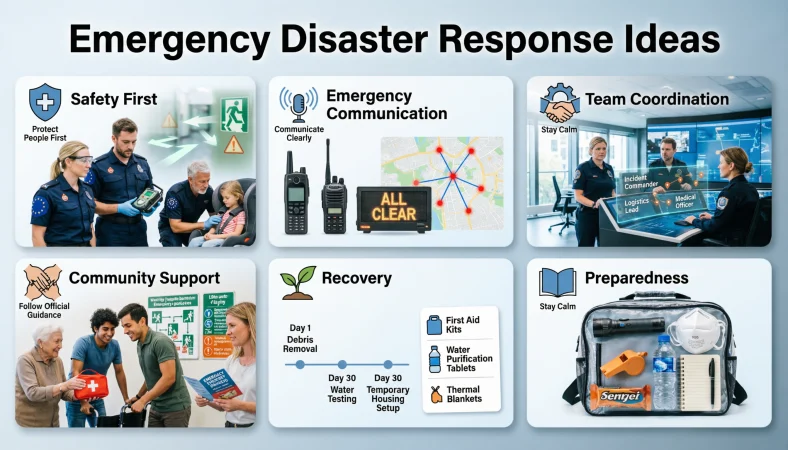
Emergency disaster response refers to the actions, communication, coordination, and support provided during and immediately after a disaster or major emergency. The best responses are clear, calm, fast, practical, and focused on protecting people and restoring essential services.
Top alternatives: emergency response plan, disaster response strategy, crisis response, emergency management, disaster recovery response
When an emergency happens, nobody wants a five-page speech while everything is going sideways. Whether you are texting your team, coordinating at work, posting an update, supporting friends, or communicating during a serious crisis, the words you choose matter.
Emergency disaster response is not just about reacting quickly. It is about communicating clearly, staying organized, supporting people, and knowing what needs attention first. A good response can reduce confusion when everyone is already stressed.
The right message can tell people where to go, what to do, who is responsible, and what happens next. Even in professional settings, communication does not have to sound robotic. It can be calm, direct, human, and reassuring.
These ready-to-use response lines cover practical, professional, supportive, urgent, and team-focused situations, giving you useful wording for emergency planning, crisis communication, disaster coordination, and recovery updates.
Clear Emergency Disaster Response Statements
1. “Stay calm, follow the emergency instructions, and check on those around you.”
Example: Use this in an initial emergency announcement when people need simple directions.
Meaning: It encourages calm behavior, compliance, and awareness of others.
2. “Safety comes first, everything else can wait.”
Example: Use this when normal work or activities need to stop during an emergency.
Meaning: It makes personal safety the immediate priority.
3. “Please move to the designated safe area now.”
Example: Use this during an evacuation or urgent workplace response.
Meaning: It gives a direct instruction without unnecessary wording.
4. “We are responding and will share verified updates as they become available.”
Example: Use this in an official emergency update.
Meaning: It reassures people while avoiding unconfirmed information.
5. “Follow the established emergency procedures.”
Example: Use this when a team already has a disaster response plan.
Meaning: It reminds people to rely on prepared procedures.
6. “Keep communication lines open and report urgent concerns immediately.”
Example: Use this during a coordinated emergency operation.
Meaning: It encourages timely information sharing.
7. “Account for everyone before moving to the next step.”
Example: Use this during an evacuation or team relocation.
Meaning: It emphasizes confirming people’s safety.
8. “Use official information channels for further instructions.”
Example: Use this when rumors are spreading during an emergency.
Meaning: It directs people toward reliable updates.
9. “Do not take unnecessary risks while responding.”
Example: Use this when volunteers or staff are helping at a disaster site.
Meaning: It reminds responders to protect themselves too.
10. “The situation is being monitored closely.”
Example: Use this in a short public update while more information is being gathered.
Meaning: It communicates active awareness without making unsupported claims.
11. “Please prioritize vulnerable people and urgent needs.”
Example: Use this during community disaster coordination.
Meaning: It directs attention toward people who may need immediate assistance.
12. “We will continue sharing clear updates as the situation develops.”
Example: Use this at the end of an emergency announcement.
Meaning: It promises ongoing communication without overpromising outcomes.
Professional Emergency Disaster Response Messages
1. “Our emergency response procedures are now in effect.”
Example: Use this in a workplace notification after a serious incident begins.
Meaning: It formally announces activation of the response process.
2. “All personnel should follow the designated emergency protocol.”
Example: Use this for a company-wide emergency communication.
Meaning: It directs employees toward established procedures.
3. “The response team is coordinating immediate safety measures.”
Example: Use this in an internal operational update.
Meaning: It explains that organized action is underway.
4. “Please remain available for further instructions.”
Example: Use this when staff may receive additional assignments.
Meaning: It keeps people prepared for changing circumstances.
5. “Only verified information should be shared at this stage.”
Example: Use this when an incident is generating speculation.
Meaning: It discourages rumors and misinformation.
6. “We are prioritizing personnel safety and essential operations.”
Example: Use this in a business continuity update.
Meaning: It identifies the two immediate organizational priorities.
7. “Emergency responsibilities have been assigned according to the response plan.”
Example: Use this during a formal emergency briefing.
Meaning: It confirms that responsibilities are organized.
8. “Please document relevant developments as the response continues.”
Example: Use this for emergency management staff.
Meaning: It emphasizes accurate records for coordination and later review.
9. “Escalate urgent issues through the designated communication channel.”
Example: Use this in a workplace emergency instruction.
Meaning: It tells people how to raise critical concerns.
10. “Operational priorities may change as conditions develop.”
Example: Use this during a complex disaster response.
Meaning: It prepares people for changing needs.
11. “We appreciate everyone’s cooperation during this response.”
Example: Use this in an organizational emergency notice.
Meaning: It recognizes the importance of coordinated participation.
12. “A further update will be provided when verified information is available.”
Example: Use this when an organization needs time to confirm details.
Meaning: It promotes accurate communication rather than speculation.
Calm And Reassuring Emergency Responses
1. “Take a breath, stay aware, and follow the instructions.”
Example: Use this when people are becoming anxious during an emergency.
Meaning: It encourages calm without minimizing the situation.
2. “We are taking this seriously and working through the response step by step.”
Example: Use this during a stressful community update.
Meaning: It reassures people that organized action is happening.
3. “You do not have to figure everything out at once.”
Example: Use this when supporting someone overwhelmed by a disaster.
Meaning: It reduces emotional pressure and encourages focus on immediate priorities.
4. “Focus on what you can safely control right now.”
Example: Use this when someone is panicking.
Meaning: It redirects attention toward practical actions.
5. “Stay together, stay informed, and stay safe.”
Example: Use this during a group emergency.
Meaning: It gives three simple priorities to remember.
6. “We will handle the next step when we get there.”
Example: Use this when people are worried about what happens later.
Meaning: It encourages manageable, step-by-step thinking.
7. “The situation is serious, but panic will not help us solve it.”
Example: Use this when a team needs to regain focus.
Meaning: It encourages calm problem-solving.
8. “Keep your attention on verified information.”
Example: Use this during a fast-moving crisis.
Meaning: It reduces confusion caused by rumors.
9. “One clear step at a time.”
Example: Use this as a short message to someone feeling overwhelmed.
Meaning: It makes a difficult situation feel more manageable.
10. “Stay alert without letting fear take over.”
Example: Use this during emergency preparation.
Meaning: It balances awareness with emotional control.
11. “We are stronger when we coordinate.”
Example: Use this during a community response effort.
Meaning: It encourages cooperation and shared responsibility.
12. “keep calm, keep informed, and keep moving safely.”
Example: Use this as a concise emergency reminder.
Meaning: It combines emotional reassurance with practical action.
Urgent Emergency Disaster Response Lines
1. “Act now and follow the emergency instructions.”
Example: Use this when immediate action is required.
Meaning: It communicates urgency clearly.
2. “Evacuate the area according to the designated procedure.”
Example: Use this during an official evacuation message.
Meaning: It directs people to leave safely.
3. “Report immediate danger through the appropriate emergency channel.”
Example: Use this when people need to report urgent hazards.
Meaning: It encourages proper escalation.
4. “Do not delay if you are instructed to evacuate.”
Example: Use this during an urgent evacuation warning.
Meaning: It emphasizes prompt compliance.
5. “Move away from the hazard and follow official guidance.”
Example: Use this when people are near a dangerous area.
Meaning: It prioritizes distance from immediate danger.
6. “Emergency personnel are responding. Please give them space to work.”
Example: Use this around an active emergency scene.
Meaning: It supports safe and efficient response operations.
7. “Treat this as an active emergency until officials advise otherwise.”
Example: Use this when conditions remain uncertain.
Meaning: It encourages continued caution.
8. “Keep emergency routes clear.”
Example: Use this during a major incident affecting roads or buildings.
Meaning: It protects access for responders.
9. “Do not spread unverified reports.”
Example: Use this when social media rumors are circulating.
Meaning: It reduces confusion and misinformation.
10. “Check your immediate surroundings before moving.”
Example: Use this after an incident such as structural damage.
Meaning: It encourages situational awareness.
11. “Prioritize immediate safety over belongings.”
Example: Use this during evacuation messaging.
Meaning: It reminds people that property is secondary to life safety.
12. “If you need urgent assistance, use the designated emergency contact.”
Example: Use this in a disaster information notice.
Meaning: It directs people toward appropriate support.
Supportive Emergency Disaster Response Messages
1. “You are not alone in this.”
Example: Use this when supporting someone affected by a disaster.
Meaning: It offers emotional reassurance and solidarity.
2. “We are here to help where we safely can.”
Example: Use this when offering community support.
Meaning: It shows willingness to assist without making unrealistic promises.
3. “Tell us what you need most right now.”
Example: Use this when coordinating support for affected people.
Meaning: It invites practical information about urgent needs.
4. “We will take this one step at a time together.”
Example: Use this with someone overwhelmed by the aftermath.
Meaning: It provides emotional support and companionship.
5. “Your safety matters more than anything else right now.”
Example: Use this when encouraging someone to leave damaged property.
Meaning: It puts personal safety above possessions.
6. “It is okay to ask for help.”
Example: Use this in a community recovery message.
Meaning: It normalizes seeking assistance after a crisis.
7. “We are checking in because we care.”
Example: Use this when contacting friends after a disaster.
Meaning: It communicates genuine concern.
8. “Let us focus on what you need immediately.”
Example: Use this when assisting an affected person.
Meaning: It keeps support practical and focused.
9. “You have people around you who want to help.”
Example: Use this when reassuring someone after a disaster.
Meaning: It reminds them that support exists.
10. “Take care of yourself while helping others.”
Example: Use this for volunteers and responders.
Meaning: It recognizes that helpers also need protection and rest.
11. “We can figure out the next steps together.”
Example: Use this when someone feels uncertain about recovery.
Meaning: It provides companionship and practical encouragement.
12. “Your feelings are understandable after something this difficult.”
Example: Use this when supporting someone emotionally after an emergency.
Meaning: It validates their emotional reaction.
Team Coordination Emergency Responses
1. “Everyone knows their role, so let us stay coordinated.”
Example: Use this at the beginning of a team emergency briefing.
Meaning: It reinforces organized responsibilities.
2. “Keep the team updated as conditions change.”
Example: Use this during an evolving emergency operation.
Meaning: It encourages continuous communication.
3. “Confirm your assignment before moving forward.”
Example: Use this when responsibilities need to be clearly understood.
Meaning: It reduces confusion about roles.
4. “Report changes quickly, even if they seem minor.”
Example: Use this during disaster monitoring.
Meaning: It encourages timely information sharing.
5. “Let us keep communication short, clear, and useful.”
Example: Use this during a busy emergency response.
Meaning: It keeps messages focused on actionable information.
6. “Coordinate first, then move.”
Example: Use this when multiple people are responding to the same situation.
Meaning: It discourages unplanned action.
7. “Confirm status before closing the task.”
Example: Use this during emergency checklists.
Meaning: It encourages verification rather than assumptions.
8. “If you are unsure, escalate instead of guessing.”
Example: Use this when staff may encounter unfamiliar circumstances.
Meaning: It promotes safe decision-making.
9. “Keep the response organized under pressure.”
Example: Use this during a team briefing.
Meaning: It emphasizes discipline during stressful conditions.
10. “Share facts, not assumptions.”
Example: Use this when information is incomplete.
Meaning: It supports accurate emergency communication.
11. “Make safety the first checkpoint in every decision.”
Example: Use this during response planning.
Meaning: It places safety at the center of team decisions.
12. “Stay connected until the response phase is complete.”
Example: Use this during a prolonged emergency operation.
Meaning: It encourages continued coordination.
Community Emergency Disaster Response Ideas
1. “Neighbors helping neighbors makes a difference.”
Example: Use this in a community recovery post.
Meaning: It encourages local cooperation.
2. “Check on vulnerable neighbors when it is safe to do so.”
Example: Use this after a severe weather event.
Meaning: It encourages community awareness while emphasizing safety.
3. “Share verified resources with people who need them.”
Example: Use this on a community information page.
Meaning: It promotes useful information sharing.
4. “Community response starts with looking out for one another.”
Example: Use this as a disaster preparedness caption.
Meaning: It emphasizes mutual support.
5. “Please keep emergency access routes open.”
Example: Use this in a local disaster update.
Meaning: It helps emergency personnel reach affected areas.
6. “If you can help safely, coordinate before acting.”
Example: Use this when organizing volunteers.
Meaning: It encourages structured assistance.
7. “Small acts of support can make difficult days easier.”
Example: Use this during recovery efforts.
Meaning: It highlights the value of practical kindness.
8. “Check reliable local sources before sharing updates.”
Example: Use this during a rapidly changing crisis.
Meaning: It reduces misinformation.
9. “Please respect affected families and their privacy.”
Example: Use this when posting about a local disaster.
Meaning: It promotes compassion and dignity.
10. “Donate through trusted organizations when possible.”
Example: Use this in a community recovery post.
Meaning: It encourages responsible assistance.
11. “Recovery takes a community, not just a single response team.”
Example: Use this during long-term recovery messaging.
Meaning: It recognizes the broad role of community support.
12. “Together, we can help the community move forward.”
Example: Use this as a recovery campaign message.
Meaning: It communicates hope and collective effort.
Clever Emergency Disaster Response Captions
1. “Calm minds. Clear plans. Strong response.”
Example: Use this as a disaster preparedness graphic caption.
Meaning: It summarizes three useful response principles.
2. “Prepared beats surprised.”
Example: Use this on an emergency preparedness post.
Meaning: It promotes planning before a crisis happens.
3. “When things get chaotic, clarity matters.”
Example: Use this on a crisis communication graphic.
Meaning: It highlights the importance of clear information.
4. “Plan today, respond smarter tomorrow.”
Example: Use this as a disaster preparedness caption.
Meaning: Preparation improves future response.
5. “Safety is always the main character.”
Example: Use this for a social media preparedness post.
Meaning: It gives safety a memorable, modern framing.
6. “No panic, just priorities.”
Example: Use this as a short emergency management caption.
Meaning: It encourages calm focus.
7. “Good communication can cut through the chaos.”
Example: Use this for a crisis communication post.
Meaning: Clear messaging can reduce confusion.
8. “Emergency mode, organized edition.”
Example: Use this for a light workplace preparedness post.
Meaning: It adds humor while emphasizing organization.
9. “The best response starts before the emergency.”
Example: Use this in a preparedness campaign.
Meaning: Planning should happen before a crisis occurs.
10. “Stay ready without living on panic mode.”
Example: Use this for a preparedness awareness post.
Meaning: It encourages practical readiness without fear.
11. “Know the plan before you need the plan.”
Example: Use this on an emergency planning graphic.
Meaning: Familiarity with procedures matters before a crisis.
12. “Clear messages save precious time.”
Example: Use this in an emergency communication campaign.
Meaning: Efficient communication supports faster action.
Short Emergency Disaster Response Messages
1. “Safety first.”
Example: Use this as a quick emergency reminder.
Meaning: It places safety above everything else.
2. “Stay informed.”
Example: Use this during a developing crisis.
Meaning: It encourages people to monitor reliable information.
3. “Follow official guidance.”
Example: Use this in a public emergency update.
Meaning: It directs people toward authoritative instructions.
4. “Check on your team.”
Example: Use this during a workplace emergency.
Meaning: It encourages awareness of others’ safety.
5. “Keep routes clear.”
Example: Use this around an active emergency scene.
Meaning: It protects access for emergency responders.
6. “Stay together.”
Example: Use this during group evacuation procedures.
Meaning: It encourages coordination and accountability.
7. “Report urgent hazards.”
Example: Use this during disaster operations.
Meaning: It encourages timely reporting of dangers.
8. “Do not spread rumors.”
Example: Use this when misinformation is circulating.
Meaning: It discourages unverified information.
9. “Help safely.”
Example: Use this when encouraging volunteer support.
Meaning: It reminds people not to create additional risks.
10. “Keep communication open.”
Example: Use this during a coordinated response.
Meaning: It encourages ongoing information exchange.
11. “Protect people first.”
Example: Use this during emergency decision-making.
Meaning: It puts human safety above property or convenience.
12. “One step at a time.”
Example: Use this when people feel overwhelmed.
Meaning: It encourages manageable action.
Emotional Emergency Disaster Response Messages
1. “This is hard, and you do not have to pretend otherwise.”
Example: Use this when supporting someone after a traumatic disaster.
Meaning: It acknowledges difficult emotions honestly.
2. “We will remember the people affected, not just the numbers.”
Example: Use this in a compassionate community statement.
Meaning: It keeps human impact at the center.
3. “Hope can exist alongside uncertainty.”
Example: Use this during a difficult recovery period.
Meaning: It allows optimism without denying the situation.
4. “Every safe person brought home matters.”
Example: Use this after a major emergency operation.
Meaning: It emphasizes the value of every individual.
5. “Some days are about surviving, not having all the answers.”
Example: Use this in a supportive recovery message.
Meaning: It validates the difficulty of immediate aftermath.
6. “We stand with everyone affected.”
Example: Use this in a public solidarity statement.
Meaning: It communicates compassion and support.
7. “Recovery is a journey, not a single day.”
Example: Use this during long-term disaster recovery.
Meaning: It recognizes that rebuilding takes time.
8. “The road back may be long, but progress still counts.”
Example: Use this in a recovery campaign.
Meaning: It encourages patience and hope.
9. “People remember kindness during difficult times.”
Example: Use this as a community support message.
Meaning: It highlights the lasting value of compassion.
10. “Strength can look like asking for help.”
Example: Use this when encouraging affected people to seek support.
Meaning: It reframes help-seeking as a form of resilience.
11. “We can carry this moment together.”
Example: Use this in a compassionate support message.
Meaning: It offers solidarity during hardship.
12. “Healing takes time, patience, and support.”
Example: Use this during post-disaster recovery communication.
Meaning: It recognizes that emotional recovery is gradual.
Friendly Emergency Disaster Response Messages
1. “Hey, just checking that you are safe.”
Example: Use this when messaging a friend after a local emergency.
Meaning: It shows genuine concern in a natural way.
2. “Please text when you can so I know you are okay.”
Example: Use this when a friend is in an affected area.
Meaning: It asks for reassurance without adding pressure.
3. “Take care of yourself first.”
Example: Use this when a friend is trying to help everyone else.
Meaning: It reminds them to protect their own safety.
4. “No need to reply immediately, just stay safe.”
Example: Use this during a widespread emergency.
Meaning: It removes communication pressure.
5. “I am thinking of you and hoping you are safe.”
Example: Use this when checking on someone after a disaster.
Meaning: It offers warmth and emotional support.
6. “If you need practical help, let me know when you can.”
Example: Use this when offering assistance after an emergency.
Meaning: It offers support without demanding an immediate response.
7. “Please keep me updated when it is safe.”
Example: Use this when someone is in an affected area.
Meaning: It asks for updates while respecting safety priorities.
8. “One thing at a time, okay?”
Example: Use this when a friend feels overwhelmed.
Meaning: It offers calm encouragement.
9. “Forget the usual plans, safety comes first.”
Example: Use this when an emergency disrupts social plans.
Meaning: It makes safety the obvious priority.
10. “Sending you a huge amount of support right now.”
Example: Use this in a supportive message after a disaster.
Meaning: It expresses care and solidarity.
11. “Take whatever time you need.”
Example: Use this when someone cannot respond normally after an emergency.
Meaning: It gives them emotional space.
12. “I am here if you need me.”
Example: Use this as a simple check-in after a crisis.
Meaning: It offers dependable emotional support.
Confident Emergency Disaster Response Statements
1. “We have a plan, and we know our priorities.”
Example: Use this when reassuring a response team before operations begin.
Meaning: It communicates preparedness and direction.
2. “We will focus on facts and action.”
Example: Use this during a crisis briefing.
Meaning: It encourages practical decision-making.
3. “We are ready to adapt as conditions change.”
Example: Use this during a complex response operation.
Meaning: It communicates flexibility and preparedness.
4. “Every decision starts with safety.”
Example: Use this in a disaster response policy statement.
Meaning: It makes safety the foundation of decision-making.
5. “We will communicate clearly and consistently.”
Example: Use this during a public emergency briefing.
Meaning: It promises disciplined communication.
6. “We will not let confusion drive the response.”
Example: Use this during a team meeting.
Meaning: It emphasizes organized action.
7. “We know what needs attention first.”
Example: Use this when outlining emergency priorities.
Meaning: It communicates focus.
8. “We will adjust the plan when the situation requires it.”
Example: Use this during a changing disaster scenario.
Meaning: It shows confidence without pretending conditions are fixed.
9. “Prepared teams make stronger decisions under pressure.”
Example: Use this during preparedness training.
Meaning: It connects planning with effective response.
10. “Clear roles create faster coordination.”
Example: Use this in an emergency planning presentation.
Meaning: It emphasizes defined responsibilities.
11. “We respond with purpose, not panic.”
Example: Use this as a team motivational statement.
Meaning: It promotes calm and deliberate action.
12. “We are focused on protecting people and restoring essential needs.”
Example: Use this in an official response statement.
Meaning: It identifies core response priorities.
Creative Emergency Disaster Response Captions
1. “When the unexpected knocks, preparation answers.”
Example: Use this as a disaster preparedness campaign caption.
Meaning: It presents preparation as the answer to uncertainty.
2. “Chaos outside, clarity inside.”
Example: Use this as a crisis management graphic caption.
Meaning: It encourages maintaining clear thinking under pressure.
3. “Preparedness is tomorrow’s peace of mind.”
Example: Use this on an emergency planning post.
Meaning: Preparation can reduce uncertainty later.
4. “Strong responses begin with strong plans.”
Example: Use this in a disaster preparedness campaign.
Meaning: Planning supports effective response.
5. “When plans matter most, practice matters too.”
Example: Use this for emergency training content.
Meaning: Familiarity with procedures improves readiness.
6. “Ready is a mindset, not just a checklist.”
Example: Use this on a preparedness awareness post.
Meaning: Readiness includes awareness and behavior.
7. “The calmest voice can cut through the loudest crisis.”
Example: Use this as a crisis communication caption.
Meaning: Calm communication can reduce confusion.
8. “Prepare for the moment you hope never comes.”
Example: Use this in an emergency preparedness campaign.
Meaning: Planning matters even when emergencies are unlikely.
9. “Response today, resilience tomorrow.”
Example: Use this during disaster recovery messaging.
Meaning: Effective response contributes to longer-term recovery.
10. “A clear plan turns panic into priorities.”
Example: Use this on an emergency planning graphic.
Meaning: Preparation gives people direction during stressful situations.
11. “Good preparation is quiet until it suddenly matters.”
Example: Use this as a preparedness caption.
Meaning: Planning may seem invisible until an emergency requires it.
12. “Safety has no off-season.”
Example: Use this for year-round disaster preparedness content.
Meaning: Emergency readiness should remain a continuing priority.
Resilient Emergency Disaster Response Messages
1. “We recover by taking the next useful step.”
Example: Use this during the early recovery phase after a disaster.
Meaning: It encourages practical progress.
2. “Setbacks do not erase progress.”
Example: Use this when recovery efforts face new difficulties.
Meaning: It encourages persistence.
3. “Resilience grows through preparation, support, and action.”
Example: Use this in a disaster recovery campaign.
Meaning: It presents resilience as something supported by practical effort.
4. “We can rebuild stronger with what we learn.”
Example: Use this after completing a response review.
Meaning: It connects lessons learned with future improvement.
5. “Every recovery step matters.”
Example: Use this during long-term rebuilding efforts.
Meaning: It recognizes gradual progress.
6. “We keep moving forward together.”
Example: Use this in a community recovery message.
Meaning: It emphasizes collective resilience.
7. “The response ends, but preparedness continues.”
Example: Use this after an emergency operation.
Meaning: Future readiness remains important.
8. “Learn, adapt, improve, repeat.”
Example: Use this during a post-disaster planning session.
Meaning: It encourages continuous improvement.
9. “Recovery is built through many small wins.”
Example: Use this in a community update.
Meaning: Progress often happens incrementally.
10. “What we learn today can protect us tomorrow.”
Example: Use this after reviewing an emergency incident.
Meaning: Lessons can strengthen future preparedness.
11. “Resilience is not pretending everything is easy.”
Example: Use this in an emotional recovery post.
Meaning: Real resilience acknowledges difficulty while continuing forward.
12. “We can rebuild with patience and purpose.”
Example: Use this in a post-disaster community message.
Meaning: It encourages steady, thoughtful recovery.
Practical Emergency Disaster Response Lines
1. “Check the plan before making a major decision.”
Example: Use this during an emergency operations meeting.
Meaning: It encourages reliance on established procedures.
2. “Confirm the information before sharing it.”
Example: Use this during crisis communication.
Meaning: It reduces the spread of incorrect information.
3. “Identify the immediate priority first.”
Example: Use this when several problems appear at once.
Meaning: It helps teams focus on the most urgent need.
4. “Record important decisions and updates.”
Example: Use this during a prolonged emergency response.
Meaning: Documentation supports continuity and accountability.
5. “Keep emergency contacts accessible.”
Example: Use this as a preparedness reminder.
Meaning: It encourages practical readiness.
6. “Know your evacuation route.”
Example: Use this in a disaster preparedness post.
Meaning: Familiarity with routes can support faster action.
7. “Keep communication simple under pressure.”
Example: Use this during emergency training.
Meaning: Short, clear messages are easier to understand.
8. “Check resources before assigning tasks.”
Example: Use this when coordinating response activities.
Meaning: It encourages realistic planning.
9. “Do not create additional hazards while helping.”
Example: Use this when training volunteers.
Meaning: Assistance should not put more people at risk.
10. “Reassess conditions before changing direction.”
Example: Use this during an evolving incident.
Meaning: Decisions should reflect current conditions.
11. “Confirm completion instead of assuming it.”
Example: Use this during emergency task management.
Meaning: Verification prevents gaps.
12. “Keep the response focused on people first.”
Example: Use this when setting emergency priorities.
Meaning: Human safety and needs remain central.
Smart Emergency Disaster Response Replies
1. “The smartest response is the safest response.”
Example: Use this when someone suggests taking unnecessary risks.
Meaning: It places safety above speed or heroics.
2. “Fast does not always mean effective.”
Example: Use this during a discussion about emergency decisions.
Meaning: Speed should be balanced with sound judgment.
3. “Good information is part of good response.”
Example: Use this during crisis communication planning.
Meaning: Accurate information supports better decisions.
4. “Preparedness gives people options.”
Example: Use this during an emergency planning discussion.
Meaning: Planning creates more choices during a crisis.
5. “Clarity is a response tool too.”
Example: Use this when discussing emergency communication.
Meaning: Communication itself can support effective response.
6. “The goal is controlled action, not perfect action.”
Example: Use this when a team is under intense pressure.
Meaning: Practical action is more useful than waiting for perfection.
7. “Every response should answer one question: what helps most right now?”
Example: Use this during emergency prioritization.
Meaning: It encourages decisions based on immediate needs.
8. “Do not confuse confidence with certainty.”
Example: Use this when information is incomplete.
Meaning: Good leadership can acknowledge uncertainty.
9. “A flexible plan is stronger than a rigid assumption.”
Example: Use this during emergency preparedness training.
Meaning: Plans should adapt to changing conditions.
10. “The best emergency message is the one people understand.”
Example: Use this during communication planning.
Meaning: Clarity matters more than impressive wording.
11. “Coordination turns individual effort into collective response.”
Example: Use this during disaster team training.
Meaning: Organized cooperation increases effectiveness.
12. “Prepare early, communicate clearly, adapt quickly.”
Example: Use this as a concise emergency management slogan.
Meaning: It summarizes three practical response principles.
FAQs:
What does emergency disaster response mean?
Emergency disaster response refers to the organized actions taken during and immediately after a disaster or major emergency to protect people, address urgent needs, coordinate resources, communicate information, and support stabilization.
Why is communication important during emergency disaster response?
Clear communication helps reduce confusion, share verified information, coordinate responsibilities, and tell people what action they should take. In a crisis, unclear wording can create unnecessary problems.
Can emergency disaster response messages be emotional?
Yes. Compassionate wording can be appropriate when people have experienced loss, fear, displacement, or disruption. Emotional messages should remain respectful and should not distract from important safety information.
Can emergency disaster response be used professionally?
Absolutely. It is commonly used in workplace emergency planning, organizational crisis communication, public safety messaging, emergency management, and disaster preparedness.
What should I say if I do not know what is happening?
Be honest and avoid guessing. A useful response is: “We are still confirming the information and will share verified updates when available.”
Is humor appropriate during emergency disaster response?
Usually, serious emergencies require serious communication. Light humor may be acceptable in preparedness campaigns or internal training when it does not minimize harm, frighten people, or make affected communities feel disrespected.
What makes an emergency response message effective?
The strongest messages are clear, concise, accurate, timely, actionable, and appropriate for the audience. They should tell people what matters without unnecessary information.
Should emergency messages use complicated language?
No. During stressful situations, simple language is usually easier to understand and act upon. Short instructions can be much more effective than lengthy explanations.
What is a good emergency response phrase for social media?
Try “Calm minds. Clear plans. Strong response.” It is short, memorable, and works well for preparedness or emergency management content.
What is the most important priority in an emergency?
Personal and public safety should be prioritized. Specific actions depend on the type of emergency and instructions from relevant emergency authorities.
Conclusion
A strong emergency disaster response is about more than reacting quickly. It is about communicating clearly, protecting people, coordinating effectively, and adapting when circumstances change. The right words can help a team focus, reassure an affected person, or guide a community toward reliable information. You do not need complicated language to make an impact.
Sometimes the strongest message is simply, “Safety first,” while other situations call for detailed, professional communication. Save these response ideas for preparedness campaigns, workplace messages, community updates, and crisis communication planning. Share the lines that fit your audience, adapt them to the situation, and keep building better communication habits. Stay prepared, stay informed, and keep safety at the center.