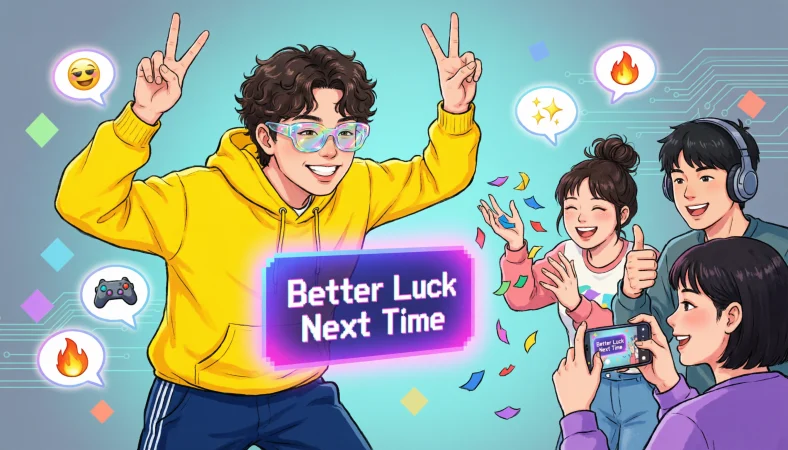
“Better luck next time” usually means someone hopes you succeed in a future attempt, but the right response depends on whether you want to sound funny, confident, polite, sarcastic, or playful. A clever comeback can turn a disappointing moment into a memorable one.
Top alternatives: Thanks, I’ll need it, Watch me, Challenge accepted, I’ll take that
Getting hit with a “better luck next time” can sting a little, especially when you just lost a game, missed an opportunity, got rejected, or completely fumbled something you were sure would work. But honestly, the phrase can also be the perfect setup for a hilarious comeback. Whether it appears in a text, DM, group chat, workplace conversation, friendly competition, or even a message from your crush, your response can completely change the vibe. The best replies to “better luck next time” show personality without making things awkward. You can answer with confidence, turn it into a joke, flirt a little, or simply keep things classy. From fearless comebacks to chill responses, having the right words ready means you never have to stare at your keyboard wondering what to type. Sometimes losing is temporary. Having a great comeback is forever.
Funny Responses to “Better Luck Next Time”
1. Luck wasn’t the problem, apparently.
Example: Use this after losing something you genuinely expected to win.
Meaning: It turns the loss into a playful self roast.
2. I’ll put luck on my shopping list.
Example: Great when a friend teases you after a loss.
Meaning: It makes the situation funny instead of serious.
3. Guess luck called in sick today.
Example: Perfect after an unexpectedly bad result.
Meaning: It jokingly blames luck for the failure.
4. Next time I’m bringing snacks and strategy.
Example: Use it after losing a game with friends.
Meaning: It shows you’re already planning a comeback.
5. Luck and I are currently not speaking.
Example: Funny after several things go wrong.
Meaning: It personifies luck as a friend who betrayed you.
6. Bold of you to assume there’ll be a next time.
Example: Perfect for playful sarcasm.
Meaning: It exaggerates the situation for comedic effect.
7. I’ll file that under character development.
Example: Great after making an embarrassing mistake.
Meaning: It reframes failure as personal growth.
8. Adding this to my villain origin story.
Example: Use after losing to someone you wanted to beat.
Meaning: It dramatically exaggerates a harmless defeat.
9. My comeback is currently buffering.
Example: Perfect for a delayed response after losing.
Meaning: It compares your future success to slow internet.
10. The universe clearly had other plans.
Example: Great when the outcome feels completely unexpected.
Meaning: It humorously blames fate.
11. I blame the WiFi.
Example: Funny after losing an online game.
Meaning: It uses a classic excuse for comedic effect.
12. That was just the tutorial.
Example: Perfect after losing your first attempt.
Meaning: It confidently pretends the loss was only practice.
13. My victory subscription expired.
Example: Use when you’ve been losing repeatedly.
Meaning: It makes your losing streak sound ridiculous.
14. Don’t worry, I’m disappointed too.
Example: Great when someone says it sympathetically.
Meaning: It adds humor to your disappointment.
15. Plot twist: I wasn’t trying.
Example: Perfect for joking with competitive friends.
Meaning: It playfully pretends the loss was intentional.
Brutal Responses to “Better Luck Next Time”
1. Luck won’t be necessary next time.
Example: Use after someone doubts your ability.
Meaning: It projects confidence without overexplaining.
2. I’ll bring skill instead.
Example: Great after losing a competition.
Meaning: It confidently suggests you’re capable of winning through ability.
3. Enjoy this win while it lasts.
Example: Perfect when planning a rematch.
Meaning: It promises that the current victory is temporary.
4. You won’t be saying that twice.
Example: Use when someone beats you once.
Meaning: It signals confidence about the next attempt.
5. Keep that confidence. You’ll need it.
Example: Great for friendly competition.
Meaning: It playfully warns the other person about a future challenge.
6. One loss doesn’t make you better.
Example: Use when someone becomes overly smug.
Meaning: It pushes back against unnecessary bragging.
7. Take the win. I won’t make it easy next time.
Example: Perfect after a close competition.
Meaning: It shows respect while promising stronger competition.
8. Don’t get comfortable.
Example: Great when accepting a temporary defeat.
Meaning: It confidently suggests a comeback is coming.
9. You got lucky once. Congratulations.
Example: Use with a competitive friend.
Meaning: It minimizes the victory in a playful way.
10. Enjoy your screenshot moment.
Example: Funny after someone celebrates winning online.
Meaning: It implies their victory will not last.
11. Next round won’t be this generous.
Example: Perfect after intentionally holding back during a game.
Meaning: It suggests you were not showing your full ability.
12. I’ll remember that energy.
Example: Use when someone gets cocky after winning.
Meaning: It hints that their attitude will be remembered during the rematch.
13. You won’t get the same version of me twice.
Example: Great for competitive situations.
Meaning: It signals that you will improve before trying again.
14. That win looks better on you than it feels on me.
Example: Use after losing gracefully with attitude.
Meaning: It acknowledges the loss while keeping your confidence.
15. Consider this your free trial.
Example: Perfect after someone narrowly beats you.
Meaning: It jokingly suggests they will not win again.
Flirty Responses to “Better Luck Next Time”
1. Maybe I just need you on my team.
Example: Use when your crush says it after you lose.
Meaning: It turns the situation into a subtle invitation for closeness.
2. Then you better be my lucky charm.
Example: Perfect for playful flirting.
Meaning: It makes the other person responsible for your future success.
3. I might have better luck with you.
Example: Use when the conversation already feels flirty.
Meaning: It adds a romantic double meaning.
4. Next time, you’re coming with me.
Example: Great after losing an activity or game.
Meaning: It playfully suggests spending time together.
5. Maybe you’re the luck I’ve been missing.
Example: Perfect for a sweet flirt.
Meaning: It implies that the person brings something special into your life.
6. I’ll take my chances with you.
Example: Use when flirting with someone confident.
Meaning: It expresses attraction through playful risk.
7. Guess I’ll need a private lesson from you.
Example: Great when they are better at something you lost.
Meaning: It creates a natural excuse for more interaction.
8. If you’re offering luck, I’m interested.
Example: Perfect for a teasing DM.
Meaning: It accepts their playful energy while flirting.
9. Next time, just distract me less.
Example: Use when your crush was around during your loss.
Meaning: It jokingly blames your attraction on the distraction.
10. I think I perform better when you’re cheering for me.
Example: Great when someone supports you.
Meaning: It gives them a cute reason to stay involved.
11. Maybe my luck improves around cute people.
Example: Perfect for a bold flirt.
Meaning: It directly compliments the person.
12. I’ll try again if you’re watching.
Example: Use when you want to keep the conversation going.
Meaning: It makes their attention feel important.
13. Deal, but you owe me a rematch date.
Example: Great after losing a friendly competition.
Meaning: It turns the rematch into a playful date suggestion.
14. I wasn’t lucky, but I did get to talk to you.
Example: Perfect for a sweet text.
Meaning: It turns a loss into a romantic positive.
15. If next time includes you, I’m in.
Example: Use when the conversation is openly flirty.
Meaning: It clearly communicates interest.
Polite Responses to “Better Luck Next Time”
1. Thank you, I appreciate that.
Example: Use when someone is being genuinely supportive.
Meaning: It politely acknowledges their encouragement.
2. Thanks, I’ll give it another shot.
Example: Great after a missed opportunity.
Meaning: It shows optimism and determination.
3. I appreciate the encouragement.
Example: Perfect for a respectful response.
Meaning: It recognizes the other person’s kindness.
4. Thank you, hopefully next time goes better.
Example: Use after a disappointing result.
Meaning: It accepts the outcome without negativity.
5. Thanks, I’ll keep trying.
Example: Great when someone encourages your effort.
Meaning: It communicates persistence.
6. That’s kind of you to say.
Example: Perfect when someone offers sympathy.
Meaning: It responds warmly without making the moment dramatic.
7. Thank you, I’ll learn from this one.
Example: Use after making a mistake.
Meaning: It shows maturity and a growth mindset.
8. I appreciate it. Onward and upward.
Example: Great for staying positive.
Meaning: It accepts the setback while focusing on the future.
9. Thanks, I’ll take another run at it.
Example: Use after an unsuccessful attempt.
Meaning: It shows you’re willing to try again.
10. Hopefully the next attempt goes my way.
Example: Perfect after a close loss.
Meaning: It expresses hope without sounding arrogant.
11. Thank you. I’ll keep that in mind.
Example: Great in a respectful conversation.
Meaning: It acknowledges the comment calmly.
12. Thanks for the good wishes.
Example: Use when someone is being especially encouraging.
Meaning: It politely appreciates their support.
13. I appreciate the positive energy.
Example: Great for friendly social interactions.
Meaning: It responds warmly to encouragement.
14. Thanks, I’m not giving up yet.
Example: Use after a temporary setback.
Meaning: It combines gratitude with determination.
15. Thank you. We’ll see what happens next time.
Example: Perfect when you want to stay neutral.
Meaning: It leaves the future open without making a big promise.
Professional Responses to “Better Luck Next Time”
1. Thank you. I’ll take the feedback and improve.
Example: Use after receiving an unsuccessful professional result.
Meaning: It demonstrates maturity and willingness to improve.
2. I appreciate the encouragement.
Example: Great after a job interview or business setback.
Meaning: It keeps the response professional and positive.
3. Thank you. I’ll apply what I learned going forward.
Example: Use after a project does not go as planned.
Meaning: It focuses on learning rather than disappointment.
4. I appreciate that. I’ll keep working toward the goal.
Example: Perfect after missing a target.
Meaning: It communicates persistence.
5. Thank you. I’ll use this as a learning experience.
Example: Great after receiving constructive criticism.
Meaning: It shows professionalism and self-awareness.
6. Thanks. I’ll come back stronger.
Example: Use in a competitive professional environment.
Meaning: It communicates confidence without being rude.
7. I appreciate the support.
Example: Perfect when a colleague offers encouragement.
Meaning: It keeps the interaction warm and respectful.
8. Thank you. I’ll reassess and try again.
Example: Great after an unsuccessful proposal.
Meaning: It demonstrates a practical approach to setbacks.
9. Thanks. I’ll focus on what I can improve.
Example: Use after a performance review or evaluation.
Meaning: It shows accountability.
10. I appreciate it. The next attempt will be stronger.
Example: Perfect after missing a professional opportunity.
Meaning: It signals confidence and resilience.
11. Thank you. I’ll keep moving forward.
Example: Great when responding to supportive coworkers.
Meaning: It maintains a positive professional tone.
12. Thanks for the encouragement.
Example: Use after a colleague offers reassurance.
Meaning: It acknowledges their support directly.
13. I’ll take that as motivation. Thank you.
Example: Perfect after a challenging result.
Meaning: It turns disappointment into motivation.
14. Thank you. I have a few things to work on.
Example: Use after an honest evaluation.
Meaning: It accepts the setback constructively.
15. Thanks. I’ll be better prepared next time.
Example: Great after making a professional mistake.
Meaning: It shows responsibility and readiness to improve.
Creative Responses to “Better Luck Next Time”
1. Luck has been removed from my contact list.
Example: Use after several unlucky attempts.
Meaning: It gives luck a funny fictional personality.
2. Next time I’m negotiating directly with the universe.
Example: Perfect after an unexpected failure.
Meaning: It humorously suggests taking control of fate.
3. I’ll upgrade my luck before the next round.
Example: Great after losing a game.
Meaning: It treats luck like downloadable software.
4. Adding this loss to the scrapbook.
Example: Use after an embarrassing experience.
Meaning: It turns failure into a memorable story.
5. The comeback chapter starts now.
Example: Perfect after a setback.
Meaning: It frames the loss as part of a bigger story.
6. My luck is currently under maintenance.
Example: Great when things keep going wrong.
Meaning: It compares bad luck to a broken website.
7. I’ll return with upgraded software.
Example: Use before a rematch.
Meaning: It humorously promises improvement.
8. Apparently the universe needed content.
Example: Perfect after an embarrassing moment.
Meaning: It jokes that your failure became entertainment.
9. This was merely an experimental failure.
Example: Great after trying something new.
Meaning: It makes a mistake sound intentional and scientific.
10. Next time comes with a plot upgrade.
Example: Use after losing a competition.
Meaning: It suggests the next attempt will be more exciting.
11. I’m turning this L into premium character development.
Example: Perfect for social media or group chats.
Meaning: It transforms a loss into a funny growth moment.
12. My comeback has entered production.
Example: Great when planning another attempt.
Meaning: It makes your future success sound like a movie.
13. Luck can wait. I’ve got strategy now.
Example: Use after realizing what went wrong.
Meaning: It shifts focus from chance to preparation.
14. The sequel is going to be better.
Example: Perfect after a failed first attempt.
Meaning: It promises improvement with movie style humor.
15. Consider this the trailer, not the ending.
Example: Great for a confident comeback.
Meaning: It suggests the real success story is still coming.
Sarcastic Responses to “Better Luck Next Time”
1. Wow, what an inspirational speech.
Example: Use when someone says it dramatically.
Meaning: It lightly mocks their attempt at encouragement.
2. Thanks, fortune cookie.
Example: Perfect for a casual sarcastic reply.
Meaning: It compares their advice to generic wisdom.
3. I’ll notify the luck department.
Example: Great after a bad result.
Meaning: It sarcastically treats luck like customer service.
4. I’ll schedule that with my next failure.
Example: Use when someone is being overly smug.
Meaning: It turns their comment into a joke about future setbacks.
5. Groundbreaking advice. Truly.
Example: Perfect for dry sarcasm.
Meaning: It pretends their obvious comment is revolutionary.
6. I’ll write that down in my survival manual.
Example: Great after receiving obvious advice.
Meaning: It exaggerates the importance of their words.
7. Thanks, Captain Obvious.
Example: Use with close friends who can handle teasing.
Meaning: It playfully calls out an obvious statement.
8. I’ll try turning it off and on again.
Example: Funny after a failed attempt.
Meaning: It applies generic tech support advice to life.
9. I was hoping for a miracle, but sure.
Example: Perfect after a disappointing outcome.
Meaning: It humorously exaggerates your expectations.
10. Amazing. I’ll tell my therapist.
Example: Use only with friends who understand the joke.
Meaning: It dramatically exaggerates the impact of the advice.
11. Thanks for the breaking news.
Example: Great when the outcome was obvious.
Meaning: It sarcastically pretends their comment is new information.
12. I’ll alert the historians.
Example: Perfect after a minor defeat.
Meaning: It humorously exaggerates the importance of the moment.
13. Wow, luck. Never heard of it.
Example: Great when things have gone badly repeatedly.
Meaning: It sarcastically treats luck as unfamiliar territory.
14. I’ll add it to my motivational poster.
Example: Use when someone gives cliché advice.
Meaning: It gently mocks the cliché nature of the phrase.
15. Thanks. I’ll frame that wisdom.
Example: Perfect for playful sarcasm.
Meaning: It exaggerates how profound the comment supposedly is.
Cute Responses to “Better Luck Next Time”
1. Aww, thank you.
Example: Use when someone genuinely feels bad for you.
Meaning: It responds with simple warmth.
2. I’ll try again, promise.
Example: Great when someone encourages you.
Meaning: It shows determination in a sweet way.
3. Maybe next time will be our lucky one.
Example: Perfect when responding to a close friend.
Meaning: It turns the setback into something hopeful.
4. I’ll keep my fingers crossed.
Example: Use when preparing for another attempt.
Meaning: It expresses hopeful optimism.
5. Thanks for believing in me.
Example: Great when someone offers genuine support.
Meaning: It shows appreciation and emotional warmth.
6. Okay, but I’m still smiling.
Example: Perfect after a small disappointment.
Meaning: It shows resilience without taking the loss too seriously.
7. I’ll bounce back.
Example: Use when someone is worried about you.
Meaning: It reassures them that you’re doing okay.
8. Next time, we celebrate.
Example: Great when a friend is supporting your goal.
Meaning: It keeps the mood hopeful and positive.
9. That’s sweet of you.
Example: Perfect after receiving encouragement.
Meaning: It warmly acknowledges their kindness.
10. I’ll save some luck for later.
Example: Use after a disappointing attempt.
Meaning: It keeps the mood playful and optimistic.
11. Thanks, I needed that little boost.
Example: Great when someone cheers you up.
Meaning: It shows their encouragement mattered.
12. I’m not giving up that easily.
Example: Perfect after a setback.
Meaning: It combines determination with a cute tone.
13. I’ll try again with extra optimism.
Example: Use when you want to stay positive.
Meaning: It shows hope without sounding overly serious.
14. Next time has my name on it.
Example: Great after narrowly missing success.
Meaning: It expresses playful confidence.
15. Thanks for the good vibes.
Example: Perfect for texts and DMs.
Meaning: It appreciates the person’s positive energy.
Dramatic Responses to “Better Luck Next Time”
1. There may not be a next time.
Example: Use jokingly after a spectacular failure.
Meaning: It exaggerates the disappointment for comedy.
2. My dreams have been shattered.
Example: Great after losing a harmless competition.
Meaning: It dramatically overstates the emotional damage.
3. Tell my story when I’m gone.
Example: Perfect for absurdly dramatic humor.
Meaning: It turns a tiny setback into an epic tragedy.
4. This is how legends fall.
Example: Use after losing in front of friends.
Meaning: It makes the failure sound historically significant.
5. The universe has betrayed me.
Example: Great when everything goes wrong.
Meaning: It humorously blames fate.
6. My villain era begins today.
Example: Perfect after a competitive loss.
Meaning: It jokingly turns defeat into motivation.
7. I shall never recover.
Example: Use after a tiny embarrassment.
Meaning: It exaggerates your reaction for laughs.
8. Cancel the celebration. The prophecy failed.
Example: Great when expectations were high.
Meaning: It turns the setback into fantasy style drama.
9. This was not written in the script.
Example: Perfect after an unexpected result.
Meaning: It treats life like a badly written story.
10. My ancestors are disappointed.
Example: Use with friends who enjoy absurd humor.
Meaning: It dramatically exaggerates the consequences.
11. I need a moment of silence.
Example: Funny after losing a game.
Meaning: It gives a theatrical reaction to a minor setback.
12. The era is officially over.
Example: Great after losing a streak.
Meaning: It makes a small loss sound historic.
13. This is my darkest chapter.
Example: Perfect for playful overreaction.
Meaning: It turns disappointment into mock tragedy.
14. I trusted the universe. The universe failed me.
Example: Use after a surprising outcome.
Meaning: It jokingly blames fate for the result.
15. Wake me when the comeback begins.
Example: Great after a dramatic defeat.
Meaning: It confidently suggests a future comeback.
Chill And Casual Responses to “Better Luck Next Time”
1. Thanks, I’ll try again.
Example: Use when you want a simple response.
Meaning: It accepts the setback without overthinking it.
2. Yeah, maybe next time.
Example: Great for casual texting.
Meaning: It keeps the response relaxed and neutral.
3. We’ll see.
Example: Perfect when you’re unsure about trying again.
Meaning: It leaves things open without making promises.
4. No worries, it happens.
Example: Use after a small mistake.
Meaning: It shows you’re not bothered.
5. Fair enough.
Example: Great when someone offers encouragement.
Meaning: It acknowledges their comment casually.
6. All good.
Example: Perfect for a quick text response.
Meaning: It communicates that you’re okay.
7. I’ll take another shot at it.
Example: Use when you plan to try again.
Meaning: It shows relaxed determination.
8. Not my day, I guess.
Example: Great after several small failures.
Meaning: It accepts the bad luck without drama.
9. That’s the plan.
Example: Perfect when you’re already planning another attempt.
Meaning: It confidently agrees with the suggestion.
10. Can’t win them all.
Example: Use after a normal defeat.
Meaning: It shows a healthy perspective on losing.
11. Next round.
Example: Great after a game or competition.
Meaning: It keeps the focus on another opportunity.
12. We’ll get it next time.
Example: Perfect when you’re part of a team.
Meaning: It creates a shared sense of optimism.
13. No biggie.
Example: Use for a minor disappointment.
Meaning: It shows the situation is not serious.
14. Back to the drawing board.
Example: Great after something doesn’t work.
Meaning: It suggests starting fresh.
15. Life goes on.
Example: Perfect after a disappointing result.
Meaning: It keeps the setback in perspective.
Confident Responses to “Better Luck Next Time”
1. Next time, I won’t need luck.
Example: Use after a close loss.
Meaning: It shows strong belief in your ability.
2. I’ll make my own luck.
Example: Perfect when responding with confidence.
Meaning: It emphasizes effort and determination.
3. Count on the comeback.
Example: Great after losing a competition.
Meaning: It promises a stronger return.
4. I’ll be ready.
Example: Use when someone expects another attempt.
Meaning: It communicates quiet confidence.
5. Watch what happens next.
Example: Perfect for a bold response.
Meaning: It creates anticipation for your comeback.
6. Challenge accepted.
Example: Great when someone doubts you.
Meaning: It turns their comment into motivation.
7. I’m already working on it.
Example: Use after a failed attempt.
Meaning: It shows you’re focused on improvement.
8. I’ll come prepared next time.
Example: Perfect after losing because of poor preparation.
Meaning: It demonstrates accountability and confidence.
9. That’s not the end of my story.
Example: Great after a meaningful setback.
Meaning: It refuses to define yourself by one failure.
10. One loss doesn’t change the goal.
Example: Use when discussing a serious ambition.
Meaning: It shows persistence.
11. I know exactly what to fix.
Example: Perfect after identifying a mistake.
Meaning: It communicates self-awareness and determination.
12. I’ll turn that lesson into a win.
Example: Great after receiving criticism.
Meaning: It frames failure as fuel for success.
13. Give me another chance.
Example: Use when another attempt is possible.
Meaning: It directly expresses readiness to improve.
14. The next attempt will speak for itself.
Example: Perfect when you want confidence without bragging.
Meaning: It lets future results prove your ability.
15. Remember this moment.
Example: Great before a rematch.
Meaning: It confidently hints at a future victory.
Emotional Responses to “Better Luck Next Time”
1. Thank you. I really needed to hear that.
Example: Use after a meaningful disappointment.
Meaning: It shows genuine appreciation for support.
2. I’m disappointed, but I’ll be okay.
Example: Great when someone is checking on you.
Meaning: It honestly acknowledges your feelings while staying hopeful.
3. I appreciate you being there.
Example: Perfect when a friend offers comfort.
Meaning: It values emotional support.
4. I’ll try again when I’m ready.
Example: Use after an emotionally difficult setback.
Meaning: It gives yourself permission to recover first.
5. It hurts, but I’m not giving up.
Example: Great after a significant failure.
Meaning: It combines vulnerability with determination.
6. Maybe this wasn’t my moment.
Example: Use when an opportunity doesn’t work out.
Meaning: It accepts disappointment while leaving room for future success.
7. I’m trying to see the good in it.
Example: Perfect after an unexpected setback.
Meaning: It shows you’re processing the situation positively.
8. Thanks for reminding me there’s another chance.
Example: Great when someone offers hope.
Meaning: It expresses gratitude for their encouragement.
9. I’ll take some time and try again.
Example: Use when you need a break before another attempt.
Meaning: It balances self-care with persistence.
10. This one was hard to accept.
Example: Perfect when the loss genuinely matters.
Meaning: It honestly communicates emotional difficulty.
11. I hope next time is different.
Example: Use when the outcome was especially disappointing.
Meaning: It expresses cautious optimism.
12. I’m still proud that I tried.
Example: Great after taking a difficult chance.
Meaning: It values courage regardless of the outcome.
13. Thank you for keeping me hopeful.
Example: Perfect when someone offers emotional support.
Meaning: It recognizes the positive effect of their words.
14. Maybe I’ll understand this setback later.
Example: Use during a reflective moment.
Meaning: It accepts uncertainty while staying open minded.
15. I’ll keep going, just at my own pace.
Example: Great when recovering from disappointment.
Meaning: It combines resilience with self-compassion.
Sweet Responses to “Better Luck Next Time”
1. Thank you for rooting for me.
Example: Use when someone consistently supports your efforts.
Meaning: It warmly recognizes their encouragement.
2. That’s all I needed to hear.
Example: Great when you’re feeling discouraged.
Meaning: It shows their support gave you confidence.
3. I’ll make you proud next time.
Example: Perfect for someone important to you.
Meaning: It turns their encouragement into motivation.
4. Thanks for always believing in me.
Example: Use with a close friend or family member.
Meaning: It expresses genuine appreciation.
5. Next time we’ll celebrate together.
Example: Great when someone wants you to succeed.
Meaning: It creates a hopeful sense of togetherness.
6. Your encouragement means a lot.
Example: Perfect after a meaningful setback.
Meaning: It communicates sincere gratitude.
7. I’ll keep going. Thanks for being here.
Example: Use when someone provides emotional support.
Meaning: It combines determination with appreciation.
8. Maybe I just needed a little more practice.
Example: Great after a first attempt.
Meaning: It keeps the mood positive and realistic.
9. You’ve officially motivated me.
Example: Perfect for a supportive friend.
Meaning: It tells them their words made a difference.
10. I won’t waste the next chance.
Example: Use after missing an important opportunity.
Meaning: It shows determination to do better.
11. Thanks, you’re a good one.
Example: Great for a close friend.
Meaning: It warmly compliments their support.
12. I’ll be back with better news.
Example: Perfect after a disappointing result.
Meaning: It expresses hope and determination.
13. That’s sweet. I’ll remember that.
Example: Use after receiving kind encouragement.
Meaning: It shows the words genuinely mattered.
14. I’m lucky to have people like you.
Example: Great for heartfelt messages.
Meaning: It shifts attention from the loss to gratitude.
15. Next time, we’ll have something to celebrate.
Example: Perfect when someone is cheering you on.
Meaning: It ends the setback on an optimistic note.
FAQs
What does “better luck next time” mean?
“Better luck next time” is a common phrase used to encourage someone after they lose, fail, miss an opportunity, or experience an unsuccessful attempt. It usually suggests that the person may succeed if they try again.
Is “better luck next time” rude?
Not necessarily. It is usually friendly or encouraging, but the tone matters. Said sarcastically or after a sensitive failure, it can sound dismissive or condescending.
What is a good reply to “better luck next time”?
Simple replies include “Thanks, I’ll try again,” “I’ll make my own luck,” “Challenge accepted,” or “Watch what happens next.”
How do you respond to “better luck next time” from a crush?
A playful response can add some flirtation, such as “Maybe you’re my lucky charm” or “Next time, you’re coming with me.”
Can I respond with humor?
Absolutely. Humor works especially well with friends, teammates, and casual conversations. Try something like “Luck and I are currently not speaking” or “My comeback is buffering.”
What is a professional response to “better luck next time”?
Keep it positive and composed. “Thank you, I’ll take what I learned from this and improve” works well in workplace or formal situations.
What if I don’t actually want to try again?
You can simply say, “Thanks, but I think I’m going to leave it there,” or “I appreciate it, but I’m moving on.” You do not have to promise another attempt.
Is “better luck next time” appropriate for texting?
Yes. It is common in texts, DMs, group chats, gaming conversations, and friendly competitions, especially when the situation is not too serious.
Can “better luck next time” be flirty?
It can be, depending on the context. A playful reply such as “Maybe I need you to improve my luck” can turn an ordinary exchange into a flirtatious one.
What is a funny reply to “better luck next time”?
Try “I’ll put luck on my shopping list,” “My comeback is currently buffering,” or “That was just the tutorial.”
Conclusion
A “better luck next time” message does not have to be the end of the conversation. Your reply can turn a loss into a laugh, a setback into motivation, or a simple comment into a memorable exchange. The best response depends on the vibe you want to create. Go funny when the moment needs humor, confident when you want to show determination, sweet when someone is genuinely supporting you, and flirty when the chemistry is already there.
Even a short one liner can say a lot about your personality. Save your favorites, send them to your competitive friends, and keep a few ready for your next unexpected defeat. After all, sometimes the comeback is better than the win. Pick your favorite and use it next time!





3 thoughts on “180+ Best Responses To “Better Luck Next Time” Funny, Clever, Flirty & Text-Ready For 2026”