The best Replies to “sorry I fell asleep” can be understanding, playful, or a little flirty, depending on the situation. If you are wondering about sorry i fell asleep meaning, how to respond to a sorry i fell asleep text, or whether sorry i fell asleep is correct, the phrase is a normal and natural way to explain that you unintentionally dozed off.
Top alternatives: “It’s okay, sleepyhead,” “I figured you passed out,” “Your sleep won this round,” “No worries, get your rest,” “I was about to file a missing person report.”
“Sorry, I fell asleep” is one of those texts that can arrive after you have already spent an hour wondering where they disappeared to. Your response can be sweet, funny, teasing, or completely chill depending on how you feel about the late reply.
When someone texts “sorry, I fell asleep,” they are usually explaining why they stopped replying or missed part of the conversation. The sorry i fell asleep meaning is pretty straightforward: they are apologising because they fell asleep instead of continuing the chat. You might also see sorry i slept, sorry i was asleep, or similar wording when someone wants to explain their absence without making it a big deal.
If you are the one sending the message, there are several natural ways to phrase it. How to say sorry i fell asleep can be as simple as “Sorry, I fell asleep” or “Sorry, I dozed off.” Meanwhile, sorry haha i fell asleep meaning, sorry i was asleep meaning, and sorry i slept meaning generally carry the same basic idea, although the tone can change depending on the extra words and the conversation.
Sorry i fell asleep meaning
It means the person unintentionally fell asleep and is apologising for missing messages or disappearing from the conversation. It is usually casual and does not imply anything more complicated.
Sorry i fell asleep
A relaxed response could be, “No worries, you clearly needed the sleep.” It sounds understanding without making them feel guilty for dozing off.
Sorry i slept
This is another casual way of saying the person fell asleep. You can reply, “It happens, don’t worry about it,” if you want to keep things easygoing.
Sorry i fell asleep is correct
Yes, “Sorry, I fell asleep” is grammatically correct and very natural in everyday English. It clearly explains that the person unintentionally went to sleep.
Sorry haha i fell asleep meaning
Adding “haha” makes the message feel more relaxed and less serious. It can suggest that the person feels a little embarrassed about disappearing but is keeping the explanation light.
Sorry i was asleep meaning
It means the person was sleeping when they could not respond or when something happened. It is a straightforward explanation rather than an excuse with a hidden meaning.
Sorry i slept meaning
This generally means the person fell asleep and is apologising for it. The wording is understandable, although “Sorry, I fell asleep” sounds more natural in everyday conversation.
Sorry i was asleep
A friendly reply could be, “No worries, hope you got some good sleep.” It acknowledges their message while showing that you are not upset about the delayed response.
Funny Responses
“It’s okay, your pillow clearly needed you more.”
Use it when a friend apologizes for disappearing overnight.
Meaning: You are playfully teasing them about choosing sleep.
“I was starting to think you entered hibernation.”
Use it when they were gone for several hours.
Meaning: You are joking about how long they slept.
“Your sleep schedule has officially defeated you.”
Use it when they frequently fall asleep unexpectedly.
Meaning: You are humorously blaming their sleeping habits.
“No worries, Sleeping Beauty.”
Use it when you want a classic playful comeback.
Meaning: You are teasing them affectionately.
“I figured you got abducted by your blanket.”
Use it when they disappear during a chat.
Meaning: You are joking that their bed kidnapped them.
“And here I was preparing the search party.”
Use it when someone slept much longer than expected.
Meaning: You are dramatically pretending to have worried.
“Sleep really said, ‘This conversation can wait.’”
Use it after being left on read overnight.
Meaning: You are jokingly blaming sleep for ending the conversation.
“Your bed won this round.”
Use it when someone falls asleep instead of replying.
Meaning: You are playfully admitting defeat to their sleep.
“Understandable. Sleep is undefeated.”
Use it when you are not actually upset.
Meaning: You recognize that sleep can win over texting.
“I accept your sleepy apology.”
Use it when keeping things light.
Meaning: You are jokingly forgiving them.
“At least someone got some rest.”
Use it when you stayed awake waiting.
Meaning: You are lightly teasing them for sleeping while you were awake.
“I hope your pillow appreciates the loyalty.”
Use it when they apologize for falling asleep.
Meaning: You are making their attachment to sleep funny.
Brutal Responses
“It’s fine. I stopped expecting a reply.”
Use it when you were genuinely annoyed.
Meaning: You are calmly showing that their disappearance affected you.
“No problem. I already moved on with my evening.”
Use it when they respond much later.
Meaning: You are reminding them that you did not wait around.
“Sleep must be nice. I wouldn’t know.”
Use it when they left you waiting late at night.
Meaning: You are sarcastically pointing out that you stayed awake.
“Your pillow clearly has better communication skills.”
Use it when they repeatedly disappear to sleep.
Meaning: You are delivering a sharp but funny tease.
“At least your bed got your attention.”
Use it when you feel slightly ignored.
Meaning: You are calling out their priorities playfully.
“No worries. I got the message eventually.”
Use it when you are irritated by the delayed reply.
Meaning: You are subtly communicating disappointment.
“Good to know sleep outranks me.”
Use it with someone you expected to keep chatting.
Meaning: You are jokingly calling attention to their priorities.
“It’s okay. I had plenty of time to rethink everything.”
Use it when you want dramatic sarcasm.
Meaning: You are exaggerating how long you waited.
“Your timing remains undefeated.”
Use it when they fall asleep at the worst possible moment.
Meaning: You are teasing them for their unfortunate timing.
“I figured. The silence was pretty convincing.”
Use it when they finally explain their absence.
Meaning: You are making it clear that you noticed.
“No apology needed. The evidence was obvious.”
Use it when they admit they passed out.
Meaning: Their disappearance already made the situation clear.
“Glad you survived the dangerous journey to your bed.”
Use it when someone gives an unnecessary dramatic apology.
Meaning: You are responding with playful sarcasm.
Flirty Responses
“It’s okay, sleepyhead. I’ll let you off this time.”
Use it when texting someone you like.
Meaning: You are being affectionate and playful.
“You could’ve fallen asleep next to me instead.”
Use it when the flirting is already comfortable.
Meaning: You are hinting that you would enjoy their company.
“I was wondering where my favorite distraction went.”
Use it when your crush disappears mid-chat.
Meaning: You are playfully saying you missed their attention.
“Did you at least dream about me?”
Use it when you want an obvious flirt.
Meaning: You are turning their sleep excuse into romantic teasing.
“I’ll forgive you if you make it up to me.”
Use it when you want to keep the flirt going.
Meaning: You are playfully creating an opportunity for them to impress you.
“Sleepy looks good on you, apparently.”
Use it when complimenting them playfully.
Meaning: You are mixing affection with flirtation.
“Next time, give me a warning so I can miss you properly.”
Use it when they unexpectedly disappear.
Meaning: You are admitting that their absence was noticed.
“You owe me a conversation now.”
Use it when you want them to continue chatting.
Meaning: You are playfully asking for more attention.
“Fine, but I was enjoying talking to you.”
Use it when you genuinely liked the conversation.
Meaning: You are subtly showing romantic interest.
“I guess I’ll forgive you because you’re cute.”
Use it with a crush who enjoys teasing.
Meaning: You are turning forgiveness into a compliment.
“I hope I was worth waking up for.”
Use it when flirting after their nap.
Meaning: You are playfully asking for reassurance.
“Next time, set an alarm for me.”
Use it when you want a cute flirtatious line.
Meaning: You are joking that they should prioritize talking to you.
Polite Responses
“No worries at all, you probably needed the rest.”
Use it when you genuinely are not upset.
Meaning: You are showing understanding.
“It’s completely okay.”
Use it for a simple and mature response.
Meaning: You accept their apology without making it a big deal.
“No need to apologize.”
Use it when someone seems genuinely sorry.
Meaning: You want them to feel comfortable.
“That’s totally fine, hope you slept well.”
Use it with a friend or acquaintance.
Meaning: You are being kind and considerate.
“Don’t worry about it. Rest is important.”
Use it when someone feels guilty about falling asleep.
Meaning: You are reassuring them.
“It happens. No worries.”
Use it when you want to keep things casual.
Meaning: You are not bothered by their absence.
“You must have been tired.”
Use it when you want to show empathy.
Meaning: You recognize that they probably needed sleep.
“All good. Hope you feel refreshed.”
Use it the next morning.
Meaning: You are responding warmly.
“No problem whatsoever.”
Use it in a neutral situation.
Meaning: You are completely accepting their apology.
“That’s okay. Take care of yourself.”
Use it when they have been exhausted.
Meaning: You prioritize their well-being.
“No worries, we can continue later.”
Use it when the conversation can wait.
Meaning: You are relaxed about the interruption.
“It’s fine, everyone needs sleep.”
Use it when you want to sound understanding.
Meaning: You are normalizing their decision to rest.
Professional Responses
“No problem. Hope you got some rest.”
Use it with a colleague after an informal conversation.
Meaning: You acknowledge the situation professionally.
“No worries, we can pick this up later.”
Use it when a work-related conversation was interrupted.
Meaning: You are keeping the situation practical.
“That’s completely fine. We can continue when you’re available.”
Use it when timing is flexible.
Meaning: You are showing professionalism and patience.
“No problem at all. I hope you’re feeling rested.”
Use it with a coworker you know well.
Meaning: You are being courteous and supportive.
“Understood. Let’s continue when convenient.”
Use it in a more formal message.
Meaning: You are keeping communication clear and respectful.
“No worries. We can revisit this later.”
Use it when discussing a non-urgent matter.
Meaning: You are calmly postponing the conversation.
“That’s alright. Thanks for letting me know.”
Use it when someone explains their absence.
Meaning: You appreciate their communication.
“No issue. We can follow up tomorrow.”
Use it when the matter is not urgent.
Meaning: You are setting a clear next step.
“All good. Rest comes first.”
Use it with a colleague who has been exhausted.
Meaning: You are showing consideration.
“No problem. We’ll continue from where we left off.”
Use it when returning to a previous discussion.
Meaning: You are keeping things organized.
“Thanks for the update. No concerns.”
Use it when the situation requires a formal tone.
Meaning: You are acknowledging their message professionally.
“No worries. We can reconnect when you have time.”
Use it when there is no urgency.
Meaning: You are giving them flexibility.
Creative Responses
“Your dreams stole you from the conversation.”
Use it when you want a playful poetic response.
Meaning: You are creatively blaming their dreams.
“The land of sleep has claimed another victim.”
Use it when someone falls asleep unexpectedly.
Meaning: You are turning their nap into a dramatic story.
“Your blanket launched a successful takeover.”
Use it when teasing someone about sleeping.
Meaning: You are creatively personifying their bed.
“Your eyelids clearly had other plans.”
Use it after they disappear suddenly.
Meaning: You are joking about their uncontrollable sleepiness.
“Mission accomplished: you successfully recharged.”
Use it when they wake up refreshed.
Meaning: You are treating sleep like a completed mission.
“Your pillow summoned you, apparently.”
Use it when they apologize for falling asleep.
Meaning: You are playfully blaming their pillow.
“And just like that, the conversation entered intermission.”
Use it when they fall asleep mid-chat.
Meaning: You are comparing their disappearance to a show break.
“The sleepy spell has finally been broken.”
Use it when they return after sleeping.
Meaning: You are joking about their return.
“Your bedtime era arrived early.”
Use it when they unexpectedly fall asleep.
Meaning: You are playfully describing their early bedtime.
“The dream world won the competition for your attention.”
Use it when someone chooses sleep over chatting.
Meaning: You are joking about their priorities.
“Welcome back from the great sleep expedition.”
Use it when they wake up after a long nap.
Meaning: You are making their sleep sound like an adventure.
“Your battery needed charging, apparently.”
Use it when someone falls asleep from exhaustion.
Meaning: You are comparing sleep to recharging a device.
Sarcastic Responses
“Oh wow, I never would have guessed.”
Use it when their disappearance was obvious.
Meaning: You are sarcastically acknowledging the obvious.
“Breaking news: human being needs sleep.”
Use it with someone who gives a dramatic apology.
Meaning: You are making their excuse humorously obvious.
“Shocking. Absolutely shocking.”
Use it when you already knew they had fallen asleep.
Meaning: You are playfully pretending to be surprised.
“What a plot twist.”
Use it when they return after disappearing.
Meaning: You are treating their sleep as unexpected drama.
“I’ll alert the authorities immediately.”
Use it when someone jokes about their long absence.
Meaning: You are exaggerating their disappearance for comedy.
“Your commitment to sleep is honestly inspiring.”
Use it when they frequently fall asleep.
Meaning: You are sarcastically praising their sleeping habits.
“Another victim of the bedtime curse.”
Use it when they apologize for falling asleep.
Meaning: You are humorously pretending sleep is a curse.
“Congratulations on successfully choosing sleep.”
Use it when they left a conversation early.
Meaning: You are sarcastically praising their decision.
“And I was just about to send a rescue helicopter.”
Use it when they were gone for hours.
Meaning: You are exaggerating your concern.
“Sleep really said, ‘Not tonight.’”
Use it when their plans to stay awake failed.
Meaning: You are joking about their inability to stay awake.
“Your pillow must be very persuasive.”
Use it when they fall asleep unexpectedly.
Meaning: You are playfully blaming their bed.
“Clearly, your alarm clock needs better communication skills.”
Use it when they oversleep.
Meaning: You are joking about their poor timing.
Cute Responses
“Aww, it’s okay, sleepyhead.”
Use it when you want to sound affectionate.
Meaning: You are reassuring them warmly.
“You must’ve been really tired.”
Use it when they apologize sincerely.
Meaning: You are showing empathy.
“No worries, go get your beauty sleep.”
Use it with someone you are comfortable teasing.
Meaning: You are playfully encouraging them to rest.
“It’s okay, just happy you’re back.”
Use it when you missed their messages.
Meaning: You are gently expressing that you noticed their absence.
“Sleep well, little sleepy human.”
Use it when ending a late-night conversation.
Meaning: You are being playful and affectionate.
“I forgive you, sleepyhead.”
Use it when teasing someone you like.
Meaning: You are playfully accepting their apology.
“Your bed clearly needed you.”
Use it when you want a soft joke.
Meaning: You are affectionately teasing their attachment to sleep.
“Rest first, everything else can wait.”
Use it when someone seems exhausted.
Meaning: You are prioritizing their well-being.
“I hope you had the sweetest dreams.”
Use it with someone close to you.
Meaning: You are responding with warmth and affection.
“You’re forgiven. Now tell me how you slept.”
Use it when you want to keep chatting.
Meaning: You accept the apology and invite conversation.
“No apology needed, sleepy.”
Use it when someone feels guilty.
Meaning: You are making them feel comfortable.
“Go easy on yourself, you clearly needed the rest.”
Use it when they have been busy or tired.
Meaning: You are showing genuine care.
Dramatic Responses
“I waited, I wondered. I survived.”
Use it when someone wakes up after a long absence.
Meaning: You are dramatically exaggerating the experience.
“I thought our conversation had met its tragic ending.”
Use it when they fall asleep mid-chat.
Meaning: You are playfully treating their disappearance like a tragedy.
“You disappeared into the night without warning.”
Use it when they fell asleep unexpectedly.
Meaning: You are making their sleep sound dramatically mysterious.
“I shall never recover from this betrayal.”
Use it when you want playful drama.
Meaning: You are pretending to be deeply offended.
“The silence was deafening.”
Use it after waiting for their reply.
Meaning: You are dramatically describing the quiet.
“I feared the worst, but apparently you were just sleeping.”
Use it when they finally return.
Meaning: You are exaggerating your concern for comedy.
“Our conversation deserved better.”
Use it when they fall asleep during an interesting chat.
Meaning: You are playfully complaining about the interruption.
“And so the night ended without a proper goodbye.”
Use it when they fall asleep unexpectedly.
Meaning: You are giving the situation a dramatic storyline.
“My heart has suffered greatly.”
Use it when teasing someone you like.
Meaning: You are jokingly pretending their absence hurt.
“The betrayal was personal.”
Use it when someone falls asleep during a fun conversation.
Meaning: You are dramatically pretending to feel offended.
“I have been abandoned by the sleepy.”
Use it when someone disappears for hours.
Meaning: You are turning their nap into a dramatic event.
“The silence changed me forever.”
Use it when you want an exaggerated response.
Meaning: You are joking about how much their absence mattered.
Chill And Casual Responses
“All good.”
Use it when you genuinely are not bothered.
Meaning: You accept their apology casually.
“No worries, happens.”
Use it with a friend.
Meaning: You are keeping the situation relaxed.
“You’re good.”
Use it when you want a short response.
Meaning: There are no hard feelings.
“It’s cool, hope you slept well.”
Use it when you want to sound relaxed.
Meaning: You are showing casual understanding.
“Haha, no problem.”
Use it when the conversation is lighthearted.
Meaning: You are not taking their disappearance seriously.
“Fair enough.”
Use it when sleep was clearly needed.
Meaning: You accept their reason without judgment.
“No big deal.”
Use it when you were not waiting seriously.
Meaning: You are saying the situation does not matter.
“You needed the sleep, probably.”
Use it when they sound tired.
Meaning: You are casually showing concern.
“It happens to the best of us.”
Use it when someone feels embarrassed.
Meaning: You are normalizing falling asleep.
“You’re forgiven lol.”
Use it with someone you joke around with.
Meaning: You are keeping things playful.
“No stress.”
Use it when you want to reassure them quickly.
Meaning: You are telling them not to worry.
“We can pick up where we left off.”
Use it when you want to continue chatting.
Meaning: You are casually restarting the conversation.
Confident Responses
“You’re forgiven, but you owe me a good conversation.”
Use it when you want to keep things playful.
Meaning: You confidently ask for their attention.
“No worries. I know you couldn’t resist sleep.”
Use it when teasing someone confidently.
Meaning: You accept their apology without sounding needy.
“It’s fine. I wasn’t waiting around.”
Use it when you want to show independence.
Meaning: You are making it clear you have your own life.
“All good. You can make it up to me later.”
Use it when flirting casually.
Meaning: You are confidently keeping the connection open.
“Sleep happens. We’ll continue when we’re both awake.”
Use it when you want a mature response.
Meaning: You are relaxed and self-assured.
“No apology necessary. I know you’ll be back.”
Use it with someone you know well.
Meaning: You trust the connection.
“You’re lucky I’m understanding.”
Use it as playful teasing.
Meaning: You are confidently pretending they need forgiveness.
“I’ll allow it this time.”
Use it when you want a cheeky response.
Meaning: You are jokingly acting like the judge.
“Rest is important. Just don’t make disappearing a habit.”
Use it when someone repeatedly falls asleep mid-chat.
Meaning: You are setting a playful boundary.
“No worries. You know where to find me.”
Use it when you do not want to chase them.
Meaning: You are showing independence.
“You slept. I carried on. Balance restored.”
Use it after waiting briefly.
Meaning: You are showing that their absence did not stop your life.
“I’ll forgive you because I’m feeling generous.”
Use it when joking with a close friend.
Meaning: You are playfully asserting confidence.
Emotional Responses
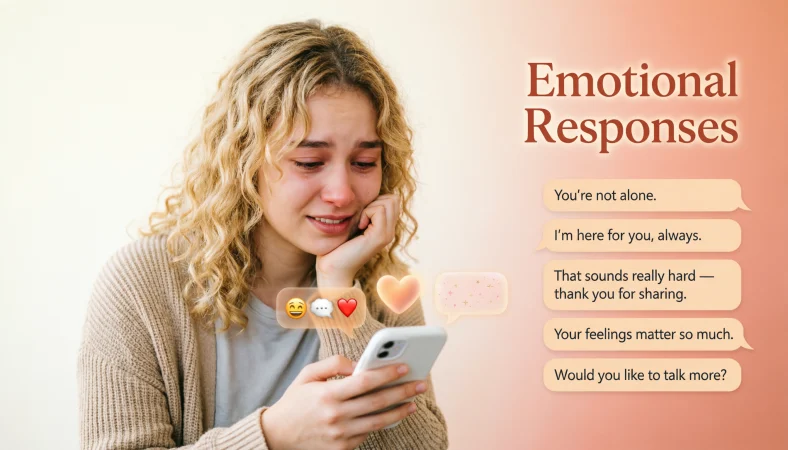
“It’s okay. I just wondered if everything was alright.”
Use it when you genuinely worried about them.
Meaning: You are expressing concern without blaming them.
“No worries. I’m glad you got some rest.”
Use it when they were exhausted.
Meaning: You care more about their well-being than the missed conversation.
“I was a little disappointed, but I understand.”
Use it when their disappearance genuinely affected you.
Meaning: You are communicating your feelings honestly.
“I missed talking to you, but I’m glad you’re okay.”
Use it when you were looking forward to the conversation.
Meaning: You are expressing affection and understanding.
“You don’t have to apologize for being tired.”
Use it when someone feels guilty.
Meaning: You are reassuring them that rest is valid.
“I figured you needed the sleep.”
Use it when you know they had a difficult day.
Meaning: You are showing empathy.
“I hope you’re feeling better after getting some rest.”
Use it when they seemed exhausted before sleeping.
Meaning: You are checking on their well-being.
“It’s okay. I just wanted to know you were alright.”
Use it when their sudden silence worried you.
Meaning: Your concern came from genuine care.
“You never have to feel bad for taking care of yourself.”
Use it when they apologize excessively.
Meaning: You are encouraging healthy boundaries around rest.
“I understand. Everyone needs to recharge sometimes.”
Use it when they feel guilty about sleeping.
Meaning: You are validating their need for rest.
“No hard feelings. I’m just happy you’re okay.”
Use it when their absence caused concern.
Meaning: You value their well-being above the missed message.
“Sleep is important, so I really can’t blame you.”
Use it when you want a warm response.
Meaning: You are being understanding rather than resentful.
Sweet Responses
“It’s okay, you deserved the rest.”
Use it when someone has been working hard.
Meaning: You are responding with genuine kindness.
“No worries, I hope you slept peacefully.”
Use it after an overnight message.
Meaning: You are showing warmth and care.
“You never need to apologize for getting some sleep.”
Use it when someone feels guilty.
Meaning: You want them to prioritize themselves.
“I’m just glad you got the rest you needed.”
Use it when they were exhausted.
Meaning: Their well-being matters to you.
“No problem, sleepyhead. Take care of yourself.”
Use it with someone close to you.
Meaning: You are mixing affection with concern.
“It’s all good. We can always talk later.”
Use it when you want to remove pressure.
Meaning: You value the relationship more than instant replies.
“I hope you woke up feeling refreshed.”
Use it the next morning.
Meaning: You are showing thoughtful interest.
“Don’t feel bad. Your body probably needed it.”
Use it when someone apologizes for falling asleep.
Meaning: You are encouraging them not to feel guilty.
“You’re forgiven, but only because sleep is important.”
Use it as a cute joke.
Meaning: You are combining understanding with playful teasing.
“Rest first, conversations later.”
Use it when someone is extremely tired.
Meaning: You are putting their health ahead of chatting.
“I’m happy you got some rest.”
Use it when you care about their well-being.
Meaning: You are expressing genuine affection.
“No apology needed, just take care of yourself.”
Use it with someone who has been stressed.
Meaning: You want them to prioritize their needs.
Clever Responses
“No apology needed. Sleep is a legitimate emergency.”
Use it when someone feels guilty for falling asleep.
Meaning: You are humorously validating their need for rest.
“Your brain clearly scheduled a mandatory shutdown.”
Use it when they suddenly fall asleep.
Meaning: You are comparing sleep to a necessary system reset.
“I respect anyone who knows when to log off.”
Use it when someone chooses sleep over texting.
Meaning: You admire their ability to prioritize rest.
“At least your battery is fully charged now.”
Use it when they wake up after sleeping.
Meaning: You are cleverly comparing sleep to recharging.
“Sleep won the debate, apparently.”
Use it when they could not stay awake.
Meaning: You are playfully describing their choice.
“Your body clearly had better plans than your phone.”
Use it when they fell asleep while texting.
Meaning: You are joking about sleep overriding communication.
“Consider it a scheduled system reboot.”
Use it when someone needs to rest.
Meaning: You are framing sleep as necessary maintenance.
“No worries. The conversation can survive a timeout.”
Use it when they apologize for disappearing.
Meaning: You are showing that the interruption is harmless.
“Sleep: 1, texting: 0.”
Use it when their sleep wins over conversation.
Meaning: You are humorously keeping score.
“Your eyelids clearly had administrative control.”
Use it when they could not stay awake.
Meaning: You are creatively joking about involuntary sleep.
“The body has spoken. The body requested bedtime.”
Use it when someone falls asleep unexpectedly.
Meaning: You are playfully acknowledging their physical need for rest.
“No worries. Some conversations need a commercial break.”
Use it when they disappear mid-chat.
Meaning: You are cleverly framing the pause as temporary.
FAQs
What does “Sorry I fell asleep” mean?
It usually means the person unintentionally stopped responding because they fell asleep and is apologizing for leaving the conversation unfinished.
What is the best reply to “Sorry I fell asleep”?
A simple “No worries, I hope you slept well” works in almost any situation. For something more playful, try “It’s okay, sleepyhead.”
What does it mean if my crush says “Sorry I fell asleep”?
Usually, they are simply explaining why they stopped replying. If they continue the conversation afterward, that can also show they still want to keep talking.
What is a flirty response to “Sorry I fell asleep”?
Try “Did you at least dream about me?” or “I’ll forgive you because you’re cute.” Both keep the mood playful and romantic.
What should I say if I am annoyed?
Be honest without being unnecessarily harsh. Try “It’s okay, I was just a little disappointed because I was looking forward to talking.”
Can I make a joke about it?
Absolutely. If you are comfortable with the person, try “I was about to file a missing person report.” Humor can make the situation feel lighter.
What is a polite response?
Try “No worries at all. You probably needed the rest.” It sounds mature, kind, and understanding.
What is a professional response?
Use something like “No problem. We can continue when you’re available.” Keep it straightforward and avoid overly personal teasing.
What if they fell asleep during an important conversation?
Acknowledge their apology, then decide whether the conversation needs to continue. “No worries, we can pick this up now” is a simple option.
Should I reply immediately?
You do not have to. Reply when it is convenient for you, especially if you were genuinely left waiting.
How can I keep the conversation going?
Add a question after your response, such as “No worries, did you sleep well?” This gives them an easy way to continue chatting.
Is “It’s okay” enough?
Yes, but it can sound slightly dry. Adding “Hope you slept well” makes it warmer.
What if they always fall asleep while texting?
A playful response like “Your sleep schedule keeps winning against our conversations” can acknowledge the pattern without starting an argument.
Should I be angry if someone falls asleep?
Not necessarily. People fall asleep unexpectedly, especially when they are tired. If it happens repeatedly and bothers you, communicate that calmly instead of relying only on sarcasm.
What is the cutest response?
“Aww, it’s okay, sleepyhead.” It is short, affectionate, and easy to send.
How to say sorry i fell asleep
You can simply say, “Sorry, I fell asleep,” or make it more casual with “Sorry, I totally crashed.” Both work well in texts and informal conversations.
How to respond to a sorry i fell asleep text
Try, “Haha, I figured you finally knocked out.” It works well when you want to tease them lightly instead of sounding annoyed.
Conclusion
The perfect response to “sorry I fell asleep” depends entirely on the vibe between you and the other person. If you are close friends, a ridiculous joke can turn the situation into a laugh or If it is your crush, a flirty “Did you dream about me?” can keep the chemistry alive. If someone is genuinely exhausted, a sweet and understanding response may mean more than any clever comeback.
And if their disappearing act actually bothered you, honesty is always better than pretending everything is fine. The goal is not to find one perfect reply, but to choose words that match the moment. Save these responses, share your favorites, and keep a few ready for the next sleepy surprise!