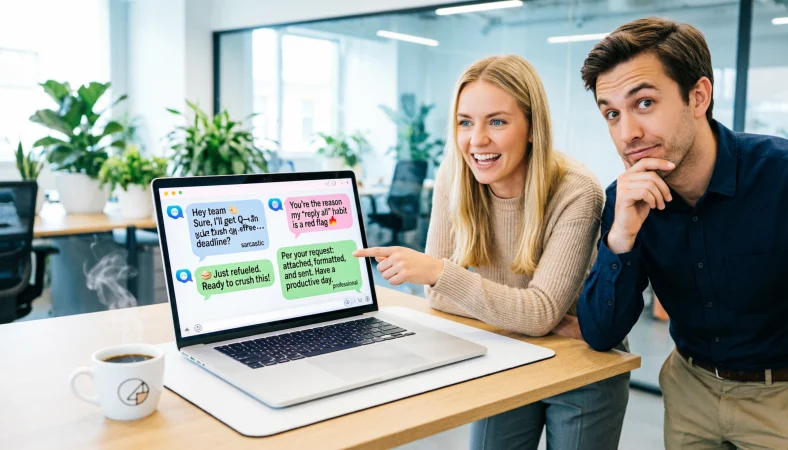
The best replies to “don’t work too hard” can be funny, warm, flirty, sarcastic, or professional depending on who says it. A quick “I’ll try!” works perfectly, while playful lines like “Too late, I’m already overachieving” can keep the conversation going.
Top alternatives: “I’ll try not to break the record,” “Too late, I’m already working hard,” “Don’t worry, I know my limits,” “I’ll save some energy for later,” “Only hard enough to impress you.”
“Don’t work too hard” sounds simple, but the right response can completely change the vibe. Maybe a coworker says it before you leave for work, a friend texts it after a long day, or your crush drops it into a casual conversation. Sometimes it is genuine concern, sometimes it is playful teasing, and sometimes it is basically an invitation for a clever comeback.
That is why having a few good replies to “don’t work too hard” can make everyday conversations much more fun. You can answer with humor, confidence, sarcasm, sweetness, or even a little flirting depending on the situation. Whether you are texting, replying in a DM, chatting at work, or joking with someone close to you, the goal is simple: keep the response natural and make it sound like you. Here are plenty of ready-to-send replies for every mood.
Funny Responses:
“Too late, I already clocked in emotionally.”
Use it when a friend jokes about your workload.
Meaning: You are humorously admitting that work has already taken over.
“I’ll try, but my boss has other plans.”
Use it when talking about a busy workday.
Meaning: You are joking about having little control over your workload.
“Don’t worry, I’m professionally lazy.”
Use it with a friend who knows your sense of humor.
Meaning: You are joking that you know how to avoid overworking.
“I’ll work just hard enough to look impressive.”
Use it when you want a playful comeback.
Meaning: You are joking about balancing effort with appearances.
“No promises, productivity has entered the chat.”
Use it when you are feeling unusually motivated.
Meaning: You are humorously saying you are ready to get things done.
“I’ll try not to make my laptop cry.”
Use it during a stressful workday.
Meaning: You are exaggerating how intense your workload is.
“My workload heard you and laughed.”
Use it when you have a mountain of tasks.
Meaning: You are joking that your workload is impossible to escape.
“I’ll work hard, but not harder than my Wi-Fi.”
Use it when chatting casually about work.
Meaning: You are making a silly comparison about productivity.
“I’ll save some energy for my dramatic exit.”
Use it when leaving work.
Meaning: You are joking about ending the workday theatrically.
“I’m allergic to overworking.”
Use it with someone who knows you well.
Meaning: You are humorously claiming that you avoid excessive work.
“I’ll do my best not to become part of the furniture.”
Use it when you expect a long day at work.
Meaning: You are joking about spending too much time there.
“Don’t worry, I have snacks for survival.”
Use it when preparing for a long work session.
Meaning: You are joking that snacks will keep you going.
Brutal Responses:
“I wasn’t planning on taking productivity advice today.”
Use it when someone is teasing you about work.
Meaning: You are giving a confident, slightly sharp comeback.
“Trust me, I know when to stop.”
Use it when someone worries you work too much.
Meaning: You are confidently saying you can manage yourself.
“My workload already has enough opinions.”
Use it when you are tired of comments about work.
Meaning: You do not want additional commentary.
“Don’t worry, I’m not trying to win Employee of the Century.”
Use it when joking about overworking.
Meaning: You are saying you have no intention of taking work too seriously.
“I’ll work exactly as hard as I’m paid to.”
Use it with someone who appreciates blunt humor.
Meaning: You are confidently emphasizing reasonable effort.
“Relax, I know the difference between dedication and suffering.”
Use it when someone thinks you work excessively.
Meaning: You understand when it is time to stop.
“My job gets eight hours. It doesn’t get my soul.”
Use it when joking about work-life balance.
Meaning: You are setting a humorous boundary around your personal life.
“I’m productive, not desperate.”
Use it when someone teases you about working too much.
Meaning: You are confidently separating ambition from overwork.
“I have limits. Unlike my inbox.”
Use it when work messages keep arriving.
Meaning: Your workload may be endless, but your energy is not.
“I’m working smart enough to avoid that.”
Use it when someone tells you not to overwork.
Meaning: You believe efficiency matters more than excessive effort.
“Don’t worry, I’m not competing with the company.”
Use it when work becomes intense.
Meaning: You are refusing to make your job your entire life.
“I’ll stop when my common sense tells me to.”
Use it when someone questions your workload.
Meaning: You trust yourself to know your limits.
Flirty Responses:
“I’ll save some energy for you.”
Use it when responding to a crush.
Meaning: You are turning their concern into playful flirting.
“Only if you promise to distract me later.”
Use it when you want a cheeky flirt.
Meaning: You are suggesting you enjoy their attention.
“I’ll try, but you’re already distracting me.”
Use it when texting someone you like.
Meaning: You are playfully blaming them for affecting your focus.
“Maybe you should come keep me company.”
Use it when you want to hint at spending time together.
Meaning: You are inviting them into your day.
“I work hard, but I flirt harder.”
Use it when the conversation is already playful.
Meaning: You are confidently turning the moment flirtatious.
“I’ll behave if you give me a good reason.”
Use it when teasing a crush.
Meaning: You are inviting them to play along.
“Don’t worry, I’ll leave some energy for our plans.”
Use it when you already have plans together.
Meaning: You are showing that you are looking forward to seeing them.
“Only hard enough to impress you.”
Use it when you want a confident flirt.
Meaning: You are playfully saying their opinion matters to you.
“I’d rather work smarter and spend more time with you.”
Use it when flirting with someone you like.
Meaning: You are prioritizing time together.
“I’ll take a break if you’re volunteering to keep me company.”
Use it when you want to invite them over or suggest hanging out.
Meaning: You are turning a work comment into an invitation.
“I might need you to supervise my breaks.”
Use it when joking with a crush.
Meaning: You are creating a playful excuse to spend time together.
“Don’t worry, you’re already my favorite distraction.”
Use it when they are texting while you work.
Meaning: You are openly expressing playful attraction.
Polite Responses
“I’ll try my best, thank you.”
Use it when someone kindly checks on you.
Meaning: You appreciate their concern.
“Thanks, I’ll make sure to take breaks.”
Use it when someone is genuinely worried about you.
Meaning: You acknowledge their advice responsibly.
“I appreciate that. I’ll keep it balanced.”
Use it in a mature conversation.
Meaning: You value their concern while maintaining boundaries.
“Thank you. I’ll remember to pace myself.”
Use it with a colleague or friend.
Meaning: You intend to avoid unnecessary exhaustion.
“I’ll try not to overdo it.”
Use it as a simple response.
Meaning: You are acknowledging their concern.
“Thanks for looking out for me.”
Use it when someone genuinely cares.
Meaning: You appreciate their thoughtfulness.
“Don’t worry, I’ll take care of myself.”
Use it when someone reminds you to rest.
Meaning: You reassure them that you will prioritize your well-being.
“I appreciate the reminder.”
Use it in a polite professional setting.
Meaning: You accept their comment respectfully.
“I’ll keep that in mind.”
Use it when you want a neutral response.
Meaning: You have heard and acknowledged what they said.
“Thank you, I’ll make sure I get some rest too.”
Use it after a long workday.
Meaning: You are balancing productivity with rest.
“That’s kind of you to say.”
Use it when someone shows concern.
Meaning: You appreciate their kindness.
“Thanks, I’ll try to keep things reasonable.”
Use it when discussing a busy schedule.
Meaning: You intend to avoid overworking.
Professional Responses
“Thanks, I’ll make sure to pace myself.”
Use it with a colleague or manager.
Meaning: You are responding professionally while acknowledging the advice.
“I appreciate it. I’ll keep the workload manageable.”
Use it in a workplace conversation.
Meaning: You are showing responsibility and balance.
“Thanks, I’ll prioritize the most important tasks.”
Use it when discussing a busy workday.
Meaning: You are focusing on efficiency.
“I’ll keep that in mind and take appropriate breaks.”
Use it in a professional environment.
Meaning: You are showing that you value healthy work habits.
“Thank you. I’ll make sure not to overextend myself.”
Use it when someone is concerned about your workload.
Meaning: You are setting a professional boundary.
“I appreciate the reminder. I’ll pace things accordingly.”
Use it with a supervisor or coworker.
Meaning: You are responding maturely.
“Thanks. I’ll focus on working efficiently.”
Use it when discussing productivity.
Meaning: You prioritize smart work over unnecessary hours.
“I’ll do my best while keeping a healthy balance.”
Use it when discussing work-life balance.
Meaning: You want to perform well without burning out.
“Thank you. I’ll keep an eye on my workload.”
Use it when someone expresses concern.
Meaning: You intend to monitor your responsibilities.
“I appreciate that. I’ll make sure to manage my time carefully.”
Use it during a professional discussion.
Meaning: You are emphasizing organization.
“Thanks for checking in. I’m keeping things under control.”
Use it when someone asks about your workload.
Meaning: You are reassuring them professionally.
“I’ll keep the priorities clear and avoid unnecessary overtime.”
Use it when discussing a demanding schedule.
Meaning: You are emphasizing sustainable productivity.
Creative Responses
“I’ll work hard enough to earn a dramatic coffee break.”
Use it when chatting with a friend.
Meaning: You are making productivity sound playful.
“My ambition is currently running on premium mode.”
Use it when you are unusually motivated.
Meaning: You are creatively describing your drive.
“I’ll keep the productivity dial below nuclear levels.”
Use it when joking about an intense workload.
Meaning: You are exaggerating your productivity for humor.
“Work mode activated, burnout mode rejected.”
Use it when starting a busy day.
Meaning: You want to be productive without overdoing it.
“I’m keeping my hustle on a healthy simmer.”
Use it when discussing your workload.
Meaning: You are aiming for balanced productivity.
“I’ll clock in, conquer, and clock out.”
Use it when heading into work.
Meaning: You are confidently planning to finish your tasks and leave.
“I’m giving my to-do list the attention it deserves, not my entire existence.”
Use it when someone worries you work too much.
Meaning: You are prioritizing balance.
“Productivity with boundaries. Fancy concept, I know.”
Use it when someone talks about overworking.
Meaning: You are joking about maintaining healthy limits.
“I’ll keep the grind at a reasonable temperature.”
Use it during a busy work period.
Meaning: You are avoiding excessive stress.
“My laptop gets my effort, my bed gets the rest.”
Use it after a long workday.
Meaning: You are separating work time from personal time.
“I’ll work smart, snack strategically, and survive.”
Use it when preparing for a long shift.
Meaning: You are approaching work with humor.
“The goal is productivity, not a documentary about my suffering.”
Use it when work becomes overwhelming.
Meaning: You want to be productive without turning work into misery.
Sarcastic Responses
“Don’t worry, I was planning to work exactly zero hours.”
Use it with a friend who knows you are joking.
Meaning: You are sarcastically exaggerating your lack of ambition.
“Too late. I’ve already become one with the spreadsheet.”
Use it during a long office session.
Meaning: You are joking about being deeply absorbed in work.
“I’ll try, but my deadlines have no mercy.”
Use it when work is piling up.
Meaning: You are sarcastically blaming deadlines.
“Absolutely. I’ll work at a luxurious two percent effort.”
Use it when joking about taking it easy.
Meaning: You are playfully exaggerating your laziness.
“Sure, I’ll just tell the deadlines to relax.”
Use it when someone says not to work too hard.
Meaning: You are sarcastically pointing out that deadlines are unavoidable.
“Great advice. I’ll pass it along to my inbox.”
Use it when your inbox is overwhelming.
Meaning: You are joking that your workload will not listen.
“I’ll make sure my spreadsheet doesn’t get too emotionally attached.”
Use it when work is consuming your attention.
Meaning: You are making your workload sound absurd.
“Don’t worry, burnout has been scheduled for next Thursday.”
Use it as exaggerated workplace humor.
Meaning: You are joking about having too much work.
“I’ll work just enough to keep the lights on.”
Use it when joking about motivation.
Meaning: You are pretending to have minimal ambition.
“Thanks, I’ll inform my deadlines immediately.”
Use it when deadlines are piling up.
Meaning: You are sarcastically pretending deadlines can be negotiated.
“I’ll tell my boss you said that.”
Use it when a coworker tells you to relax.
Meaning: You are joking that your boss controls your workload.
“I’ll stop working right after these seventeen things.”
Use it when your task list is huge.
Meaning: You are sarcastically highlighting how much work remains.
Cute Responses
“I’ll try, promise.”
Use it when someone genuinely cares about you.
Meaning: You are giving a sweet and reassuring response.
“Aww, thanks for looking out for me.”
Use it when someone shows concern.
Meaning: You appreciate their thoughtfulness.
“I’ll save some energy for fun later.”
Use it when talking to someone close.
Meaning: You are promising not to let work consume your entire day.
“Don’t worry, I know when to rest.”
Use it when someone is concerned.
Meaning: You are reassuring them gently.
“You’re sweet for reminding me.”
Use it when you appreciate their care.
Meaning: You are warmly acknowledging their kindness.
“I’ll work hard, then reward myself properly.”
Use it when discussing a busy day.
Meaning: You believe effort deserves a little relaxation.
“I’ll remember to breathe between tasks.”
Use it when your schedule is packed.
Meaning: You are promising to take care of yourself.
“Thanks, I needed that reminder.”
Use it when you have been pushing yourself.
Meaning: Their comment genuinely helped.
“I’ll be good, promise.”
Use it with someone close to you.
Meaning: You are responding in a playful, affectionate way.
“I’ll keep some energy for you.”
Use it when the conversation has a playful vibe.
Meaning: You are showing that you value spending time with them.
“Don’t worry, I’m taking care of myself.”
Use it when someone is sincerely concerned.
Meaning: You want to reassure them.
“You always know when I need a break.”
Use it with someone who knows you well.
Meaning: You appreciate their attentiveness.
Dramatic Responses
“The work has already consumed me.”
Use it when your workload is intense.
Meaning: You are exaggerating how busy you are.
“I fear the spreadsheet has claimed my soul.”
Use it during a long office session.
Meaning: You are humorously describing work exhaustion.
“Tell my family I loved them.”
Use it when joking about a massive workload.
Meaning: You are dramatically pretending that work is unbearable.
“I have entered the final battle with my inbox.”
Use it when facing hundreds of messages.
Meaning: You are turning your workload into an epic challenge.
“There is no rest for the professionally ambitious.”
Use it when joking about being extremely busy.
Meaning: You are dramatically exaggerating your dedication.
“My to-do list has become my greatest enemy.”
Use it when tasks keep piling up.
Meaning: You are making your workload sound like a villain.
“I shall return from the office when the work releases me.”
Use it when expecting a long day.
Meaning: You are joking that work controls your schedule.
“I’m fighting battles you cannot see.”
Use it when someone asks why you are busy.
Meaning: You are playfully exaggerating your workload.
“The deadlines are approaching. I can feel them.”
Use it before a major deadline.
Meaning: You are dramatically describing deadline anxiety.
“My productivity era has become a survival movie.”
Use it when work gets chaotic.
Meaning: You are humorously describing an intense period.
“I may never escape this task list.”
Use it when you have many things to finish.
Meaning: You are exaggerating the size of your workload.
“If I disappear, tell my laptop I tried.”
Use it when you are facing a long work session.
Meaning: You are dramatically joking about being overwhelmed.
Chill And Casual Responses
“I’ll try not to.”
Use it when you want a simple response.
Meaning: You acknowledge their concern casually.
“Haha, I won’t.”
Use it with a friend or coworker.
Meaning: You are keeping the conversation light.
“No worries, I’ve got it.”
Use it when someone is concerned about your workload.
Meaning: You are reassuring them confidently.
“I’ll take it easy.”
Use it when you are finishing a busy day.
Meaning: You promise not to overdo things.
“Thanks, I’ll pace myself.”
Use it when someone gives you friendly advice.
Meaning: You appreciate their concern.
“I’m good, don’t worry.”
Use it when someone seems concerned.
Meaning: You are casually reassuring them.
“I’ll survive.”
Use it when work is challenging but manageable.
Meaning: You are keeping things humorous and relaxed.
“I’ll get through it.”
Use it when your workload is heavy.
Meaning: You are confident you can manage.
“Trying my best without going overboard.”
Use it when discussing your work habits.
Meaning: You are aiming for balance.
“I know when to call it a day.”
Use it when someone tells you to rest.
Meaning: You are confident about your boundaries.
“Thanks, I’ll keep it chill.”
Use it with someone you know well.
Meaning: You are accepting their advice casually.
“Work smart, relax harder.”
Use it as a casual motto.
Meaning: You believe rest should balance productivity.
Confident Responses
“Don’t worry, I know my limits.”
Use it when someone is concerned about your workload.
Meaning: You confidently reassure them that you can manage yourself.
“I’ve got it under control.”
Use it when your workday is busy but manageable.
Meaning: You feel capable and organized.
“I know how to balance work and life.”
Use it when discussing your routine.
Meaning: You value productivity without sacrificing personal time.
“I’ll work hard, but I won’t burn myself out.”
Use it when someone encourages you to rest.
Meaning: You are confident about maintaining boundaries.
“I’m ambitious, not reckless.”
Use it when someone worries about your dedication.
Meaning: You are determined but still sensible.
“I know when to push and when to pause.”
Use it when discussing your work habits.
Meaning: You understand how to manage your energy.
“I’ll get the job done without losing my mind.”
Use it during a stressful project.
Meaning: You are confident that you can handle pressure.
“I work hard because I have goals, not because I have to suffer.”
Use it when talking about ambition.
Meaning: You separate healthy dedication from unnecessary overwork.
“I’ve learned to protect my free time.”
Use it when someone comments on your workload.
Meaning: You are confident about your personal boundaries.
“I’m focused, but I’m not forgetting to live.”
Use it when discussing work-life balance.
Meaning: You value success and personal happiness equally.
“I’ll give it my best without giving it everything I have.”
Use it when someone reminds you to pace yourself.
Meaning: You are choosing sustainable effort.
“Trust me, I know how to handle my workload.”
Use it when someone is overly concerned.
Meaning: You are calmly asserting your independence.
Emotional Responses
“I’m trying, but honestly, I’ve been pretty tired.”
Use it when someone genuinely cares about you.
Meaning: You are opening up about your exhaustion.
“I appreciate you saying that. I really do need to slow down sometimes.”
Use it when someone knows you push yourself.
Meaning: You recognize the value of their concern.
“Thanks for looking out for me. It means a lot.”
Use it when the comment comes from someone close.
Meaning: You are expressing sincere gratitude.
“I’ve been pushing myself a little too much lately.”
Use it when discussing your workload honestly.
Meaning: You recognize that you may need more balance.
“I’ll try to remember that I don’t have to do everything today.”
Use it during an overwhelming period.
Meaning: You are acknowledging the importance of pacing yourself.
“Sometimes I forget that rest is part of being productive.”
Use it when someone reminds you to slow down.
Meaning: You are recognizing the value of recovery.
“I’m doing my best, but I definitely need breaks.”
Use it when you feel exhausted.
Meaning: You are honestly acknowledging your limits.
“Thank you. I needed someone to remind me.”
Use it when you have been overworking.
Meaning: Their concern feels genuinely helpful.
“I’ll try to be kinder to myself.”
Use it when someone encourages you to rest.
Meaning: You are accepting the need for self-care.
“I want to do well without exhausting myself.”
Use it when discussing long-term goals.
Meaning: You care about both achievement and well-being.
“I know I need to find a better balance.”
Use it when work has become overwhelming.
Meaning: You recognize that your current routine may not be sustainable.
“I really appreciate people who remind me to slow down.”
Use it when someone shows genuine concern.
Meaning: You value emotional support and thoughtful reminders.
Sweet Responses
“Thanks, I’ll make sure to take care of myself too.”
Use it when someone genuinely cares about you.
Meaning: You appreciate their concern and promise to stay balanced.
“That’s sweet of you to say.”
Use it when someone offers the reminder warmly.
Meaning: You appreciate their kindness.
“I’ll try not to, but I appreciate you looking out for me.”
Use it when you want to sound warm and grateful.
Meaning: You value their concern.
“You always know when I need to slow down.”
Use it with someone close to you.
Meaning: You appreciate how well they understand you.
“I’ll save some energy for the important things.”
Use it when discussing a busy day.
Meaning: You want to make room for meaningful moments.
“Thanks for caring. I promise I’ll take breaks.”
Use it when someone is genuinely worried.
Meaning: You are reassuring them while appreciating their support.
“I’ll do my best without forgetting to enjoy life.”
Use it when talking about a demanding schedule.
Meaning: You value balance alongside achievement.
“That reminder actually means a lot.”
Use it when someone checks on your well-being.
Meaning: Their concern genuinely matters to you.
“I’ll try to leave some time for myself too.”
Use it when work has become overwhelming.
Meaning: You are committing to healthier balance.
“You’re right. I deserve a break sometimes.”
Use it when someone encourages you to rest.
Meaning: You are accepting their advice positively.
“Thanks for always looking out for me.”
Use it with someone who regularly checks on you.
Meaning: You appreciate their ongoing support.
“I’ll work hard, then make sure I enjoy the rest of my day.”
Use it when discussing your plans.
Meaning: You want to balance effort with relaxation.
Clever Responses
“I prefer working smart enough to avoid working too hard.”
Use it when someone jokes about your workload.
Meaning: You believe efficiency beats unnecessary effort.
“Hard work is good. Strategic work is better.”
Use it in a confident conversation.
Meaning: You value smart productivity.
“I’m aiming for results, not exhaustion.”
Use it when discussing your work style.
Meaning: You care about achievement without burnout.
“I’ll let efficiency do some of the heavy lifting.”
Use it when you have a large workload.
Meaning: You plan to rely on smart methods rather than endless hours.
“I’m working toward the goal, not toward burnout.”
Use it when someone worries about you.
Meaning: You want sustainable success.
“My strategy is simple: work hard, rest harder.”
Use it when discussing your routine.
Meaning: You believe recovery is just as important as effort.
“I’ll give the task my attention, not my entire life.”
Use it when your workload is demanding.
Meaning: You are setting a healthy boundary.
“Productivity without balance is just expensive exhaustion.”
Use it when making a thoughtful point.
Meaning: You believe success should not require sacrificing well-being.
“I’m optimizing effort, not collecting overtime.”
Use it in a workplace conversation.
Meaning: You are focused on efficiency instead of hours.
“The goal is to finish the work, not become the work.”
Use it when talking about work-life balance.
Meaning: You want to keep your identity separate from your job.
“I’ll work enough to move forward and rest enough to keep going.”
Use it when discussing sustainable productivity.
Meaning: You believe consistency requires recovery.
“Balance is part of the workload.”
Use it as a concise clever response.
Meaning: You see rest as an essential part of productivity.
Motivational Responses
“I’ll keep pushing, but I’ll remember to recharge.”
Use it when someone encourages you to slow down.
Meaning: You are committed without ignoring your well-being.
“I’m working toward something worth the effort.”
Use it when discussing a meaningful goal.
Meaning: Your hard work has a clear purpose.
“I’ll give it my best and take care of myself along the way.”
Use it when balancing ambition and rest.
Meaning: You want sustainable progress.
“Hard work now, better days later.”
Use it when discussing a challenging period.
Meaning: You are motivated by future rewards.
“I’m focused, but I’m keeping things balanced.”
Use it when someone is concerned about you.
Meaning: You are showing discipline without overworking.
“One task at a time, one break at a time.”
Use it during a busy day.
Meaning: You are approaching your workload calmly.
“I’m giving it everything reasonable.”
Use it when someone tells you not to work too hard.
Meaning: You are committed but practical.
“I’m chasing progress, not perfection.”
Use it when discussing your goals.
Meaning: You care about improvement more than exhausting yourself.
“I’ll work hard and remember why I started.”
Use it when motivation is needed.
Meaning: You are staying connected to your purpose.
“The goal is success with a healthy life attached.”
Use it when talking about long-term ambition.
Meaning: You want achievement without sacrificing happiness.
“I’ll keep going, just at a sustainable pace.”
Use it when someone reminds you to slow down.
Meaning: You are committed to consistent progress.
“I’m building the future without ruining the present.”
Use it when discussing work-life balance.
Meaning: You want success while still enjoying your life.
FAQs:
What does “Don’t work too hard” mean?
“Don’t work too hard” is usually a friendly way of telling someone not to overwork themselves. It can show concern, friendliness, humor, or casual workplace affection.
What is the best reply to “Don’t work too hard”?
A simple “I’ll try not to!” works almost anywhere. If you want something warmer, try “Thanks for looking out for me.”
Is “Don’t work too hard” a compliment?
Not exactly, but it can be a friendly expression of concern. Depending on the context, it may also be a lighthearted way of saying goodbye.
What is a funny reply to “Don’t work too hard”?
Try “Too late, I already clocked in emotionally.” Another funny option is “My workload heard you and laughed.”
What is a flirty reply to “Don’t work too hard”?
Try “I’ll save some energy for you.” It is playful, confident, and works well when there is already chemistry.
What does it mean if a crush says “Don’t work too hard”?
It could simply mean they care about you or want you to have a good day. If they regularly check on you, it may also be a small sign that they enjoy staying connected.
What is a professional reply?
Try “Thanks, I’ll make sure to pace myself.” It is polite, mature, and appropriate for workplace conversations.
What should I say if I actually am working too hard?
Be honest. Try “Thanks, I’ve definitely been pushing myself lately, so I’ll try to take a break.”
Can I reply sarcastically?
Yes, especially with friends or coworkers you know well. Try “Sure, I’ll just tell my deadlines to relax.”
What is a cute response?
“Aww, thanks for looking out for me.” It is warm without being overly serious.
What if I want to sound confident?
Try “Don’t worry, I know my limits.” It reassures the other person without sounding defensive.
Can I use humor at work?
Yes, if the workplace culture and relationship make it appropriate. Keep jokes light and avoid sarcasm that could sound disrespectful.
What if someone says “Don’t work too hard” before leaving?
A natural response is “I’ll try not to. Have a good one!” It keeps the interaction friendly and easy.
How do I reply if I want to continue the conversation?
Try adding a question, such as “I’ll try! How’s your day going?” This turns a quick remark into a proper conversation.
Is “You too” a good response?
It can work if the person is also heading to work or dealing with a busy day. For example, “You too, don’t work too hard!” sounds natural and friendly.
Conclusion
The best replies to “don’t work too hard” are the ones that match the person, setting, and mood. With a coworker, keep things polite or professional. Also With friends, unleash the sarcasm, ridiculous jokes, and dramatic one-liners. With a crush, a little playful flirting can turn an ordinary work comment into a fun moment.
And when someone genuinely cares about you, a simple “Thanks for looking out for me” can say more than any clever comeback. You do not need to overthink every message. Pick a response that feels natural, send it confidently, and let the conversation flow. Save your favorites, share them with your work bestie, and come back whenever you need the perfect comeback!