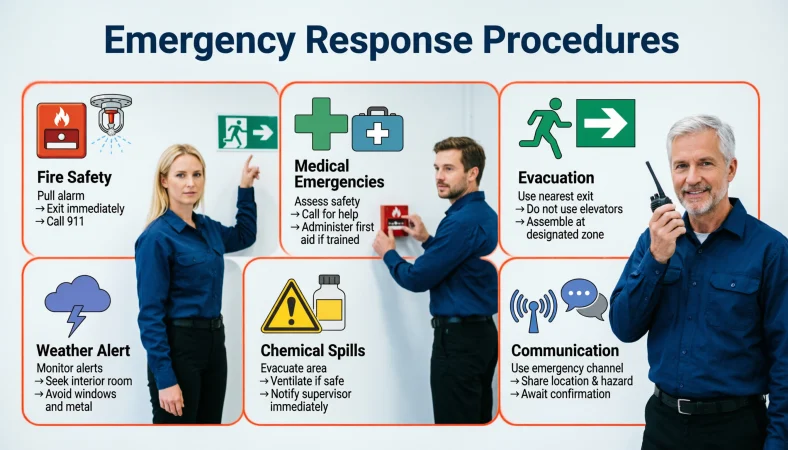
Emergency response procedures are clear, step-by-step instructions that help people respond safely to fires, medical emergencies, chemical spills, severe weather, and other unexpected incidents. They explain how to raise the alarm, contact emergency services, evacuate or shelter in place, and follow instructions from trained responders.
Top alternatives: Emergency action plan, evacuation procedures, fire emergency procedures, workplace emergency protocols, incident response procedures.
Emergencies rarely arrive with a convenient warning, a calendar invite, or a helpful instruction manual. Whether you’re at work, in school, at home, or managing a busy facility, knowing what to do when something goes wrong can make a critical difference.
That’s where emergency response procedures come in. These instructions help people recognize danger, raise the alarm, contact the right responders, and move to safety without wasting precious time guessing what happens next.
From a fire alarm in an office to a medical emergency at a public event, preparation reduces confusion and supports faster, more coordinated action.
The goal isn’t to turn everyone into an action-movie hero. It’s to make sure people understand their responsibilities, know their escape routes, and avoid unnecessary risks. In this guide, you’ll find practical response examples organized by situation, with clear wording that organizations can adapt for training and emergency planning.
General Emergency Response Procedures
Assessing Danger and Raising the Alarm
1. “Stay calm and assess the immediate danger.”
Example: Use this instruction at the beginning of a workplace emergency briefing.
Meaning: Encourage people to avoid panic while identifying immediate hazards.
2. “Raise the alarm as soon as it is safe to do so.”
Example: Include this step in a workplace emergency action plan.
Meaning: Alert others quickly so they can take appropriate protective action.
3. “Contact emergency services and provide your exact location.”
Example: Use this instruction when explaining how to report a serious incident.
Meaning: Help responders locate the emergency and understand what assistance is needed.
Following Instructions and Reaching Safety
4. “Follow the instructions of trained emergency personnel.”
Example: Display this direction in a public building’s safety guide.
Meaning: Encourage people to follow qualified responders rather than guess what to do.
5. “Move away from immediate danger if it is safe.”
Example: Include this instruction in general emergency awareness training.
Meaning: Prioritize personal safety and avoid unnecessary exposure to hazards.
6. “Use the designated evacuation route.”
Example: Place this instruction on an emergency action plan poster.
Meaning: Direct people toward established escape routes instead of unsafe shortcuts.
Supporting Others and Maintaining Emergency Access
7. “Assist others only when you can do so safely.”
Example: Use this during staff training about helping coworkers during emergencies.
Meaning: Encourage assistance without putting additional people at risk.
8. “Do not re-enter the affected area until authorized.”
Example: Display this at building exits and assembly points.
Meaning: Prevent people from returning to a potentially dangerous location.
9. “Report missing people to emergency responders.”
Example: Include this step in an evacuation checklist.
Meaning: Help responders account for people who may still need assistance.
Coordinating Information and Documenting the Incident
10. “Keep access routes clear for emergency vehicles.”
Example: Use this instruction in a facility’s emergency plan.
Meaning: Ensure emergency crews can reach the incident without obstruction.
11. “Share only verified information during the incident.”
Example: Use this guidance when staff receive conflicting reports about an emergency.
Meaning: Reduce rumors and help people make informed decisions.
12. “Record the incident after immediate dangers are controlled.”
Example: Include this step in post-incident reporting procedures.
Meaning: Preserve important information for review, recovery, and future prevention.
Fire Emergency Response Procedures
Activating the Alarm and Beginning Evacuation
1. “Activate the fire alarm and alert people nearby.”
Example: Include this step in a fire response plan when a fire is discovered.
Meaning: Warn occupants promptly so they can begin the appropriate evacuation.
2. “Call the local fire and emergency service number.”
Example: Use this instruction in workplace fire safety training.
Meaning: Ensure trained responders are notified without unnecessary delay.
3. “Evacuate using the nearest safe exit.”
Example: Display this direction in offices, schools, and public buildings.
Meaning: Move occupants away from the fire using a safe escape route.
Following Safe Evacuation Practices
4. “Never use elevators during a fire evacuation.”
Example: Include this instruction in building evacuation signage.
Meaning: Reduce the risk of becoming trapped during a fire emergency.
5. “Stay low if smoke affects your escape route.”
Example: Cover this precaution in fire safety training.
Meaning: Reduce smoke exposure while moving toward a safe exit, if escape remains possible.
6. “Close doors behind you if it is safe to do so.”
Example: Include this step in an evacuation procedure where closing doors will not delay escape.
Meaning: Help limit the spread of smoke and fire.
Reaching Safety and Supporting Firefighters
7. “Go directly to the designated assembly point.”
Example: Use this instruction during office fire drills.
Meaning: Help supervisors account for occupants in a known safe location.
8. “Do not return for personal belongings.”
Example: Display this reminder near workplace exits.
Meaning: Prevent delays that could expose people to fire or smoke.
9. “Use a fire extinguisher only if trained and it is safe.”
Example: Include this condition in workplace fire response guidance.
Meaning: Avoid unsafe firefighting attempts and prioritize evacuation.
Managing the Scene and Preventing Unsafe Re-Entry
10. “Report anyone trapped or missing to firefighters.”
Example: Use this at the assembly point after a building evacuation.
Meaning: Give responders useful information without sending untrained people back inside.
11. “Keep fire lanes and hydrant access clear.”
Example: Include this in site emergency management procedures.
Meaning: Help firefighters reach equipment and the affected building.
12. “Wait for official clearance before re-entering.”
Example: Use this after a fire alarm has resulted in evacuation.
Meaning: Prevent re-entry before the area has been declared safe.
Medical Emergency Response Procedures
Assessing the Scene and Calling for Help
1. “Check that the scene is safe before approaching.”
Example: Use this as the first step in basic first-aid training.
Meaning: Prevent rescuers from becoming additional casualties.
2. “Call emergency medical services for a serious emergency.”
Example: Include this in a workplace medical response plan.
Meaning: Connect the injured or ill person with professional assistance.
3. “Give the dispatcher your location and describe the emergency.”
Example: Use this when teaching staff how to request an ambulance.
Meaning: Help dispatchers send appropriate resources and provide instructions.
Following First-Aid Guidance and Providing Safe Assistance
4. “Follow the emergency dispatcher’s directions.”
Example: Include this in a first-aid awareness checklist.
Meaning: Support safe action while professional help is on the way.
5. “Do not move someone with a suspected serious injury unless danger requires it.”
Example: Use this when explaining how to respond to a serious fall.
Meaning: Reduce the risk of worsening an injury.
6. “Use an AED if indicated and follow its voice instructions.”
Example: Include this in CPR and emergency equipment training.
Meaning: Support a cardiac emergency response while following the device’s guidance.
Coordinating Responders and Protecting the Patient
7. “Provide first aid only within your training.”
Example: Use this in staff safety orientations.
Meaning: Encourage appropriate help without attempting unfamiliar medical procedures.
8. “Ask someone to meet the ambulance at the entrance.”
Example: Include this step in large workplaces and event venues.
Meaning: Help medical responders reach the patient quickly.
9. “Keep bystanders clear of the treatment area.”
Example: Use this during a medical incident in a public space.
Meaning: Give trained helpers room to work and protect the person’s privacy.
Sharing Information and Documenting the Incident
10. “Share known medical information with responders.”
Example: Use this when communicating with paramedics, if the information is available.
Meaning: Help medical professionals understand relevant circumstances.
11. “Monitor the person and report any changes.”
Example: Include this in first-aid procedures while waiting for help.
Meaning: Provide responders with useful updates about the person’s condition.
12. “Document the incident according to workplace policy.”
Example: Use this after emergency care has been arranged and immediate danger is controlled.
Meaning: Support accurate reporting and appropriate follow-up.
Workplace Emergency Response Procedures
Understanding Responsibilities and Reporting Hazards
1. “Know your assigned emergency responsibilities.”
Example: Use this during employee onboarding and safety briefings.
Meaning: Make sure workers understand their roles during an incident.
2. “Keep emergency exits accessible at all times.”
Example: Include this in routine workplace safety inspections.
Meaning: Prevent obstructions from delaying evacuation.
3. “Report hazards promptly to the designated contact.”
Example: Use this when employees notice damaged equipment or unsafe conditions.
Meaning: Help the organization address risks before they escalate.
Following Emergency Plans and Communication Procedures
4. “Follow the site’s emergency action plan.”
Example: Display this reminder in a workplace safety handbook.
Meaning: Direct employees to the procedures established for their location.
5. “Use the designated communication channel for alerts.”
Example: Include this in offices with emergency notification systems.
Meaning: Help workers receive consistent, timely instructions.
6. “Proceed to the assigned assembly point during evacuation.”
Example: Use this during a scheduled workplace fire drill.
Meaning: Make it easier to account for employees and visitors.
Supporting Occupants and Maintaining Safety Equipment
7. “Report visitors or contractors who may need assistance.”
Example: Include this in reception and facilities procedures.
Meaning: Ensure people who are unfamiliar with the site are not overlooked.
8. “Do not restart equipment until authorized.”
Example: Use this after an incident involving machinery or utilities.
Meaning: Prevent equipment from operating before hazards are controlled.
9. “Keep emergency equipment accessible and maintained.”
Example: Include this in regular safety checks.
Meaning: Ensure essential equipment is ready when required.
Training, Recovery, and Safe Return to Work
10. “Participate in emergency drills and refresher training.”
Example: Use this in annual workplace safety communications.
Meaning: Help employees remain familiar with emergency actions.
11. “Report unsafe conditions observed during recovery.”
Example: Use this after an incident when workers return to an approved area.
Meaning: Identify remaining hazards before normal activities resume.
12. “Follow management’s verified instructions for resuming work.”
Example: Include this in post-evacuation workplace procedures.
Meaning: Help ensure work resumes only when appropriate safety conditions are met.
Emergency Evacuation Procedures
Responding to Alerts and Choosing Safe Exit Routes
1. “Stop work and follow the evacuation alert.”
Example: Use this when an official alarm signals that occupants must leave.
Meaning: Ensure people respond promptly to the evacuation instruction.
2. “Use the nearest safe, designated exit.”
Example: Include this in evacuation plans for offices and schools.
Meaning: Direct people away from danger through an approved route.
3. “Leave bags and nonessential belongings behind.”
Example: Use this in evacuation drills to reduce unnecessary delays.
Meaning: Keep the evacuation focused on personal safety.
Supporting Occupants and Keeping Routes Clear
4. “Assist people who need evacuation support according to the plan.”
Example: Include this in procedures for occupants with mobility or sensory needs.
Meaning: Make evacuation more inclusive and coordinated.
5. “Keep moving and avoid blocking doorways.”
Example: Use this during crowded building evacuations.
Meaning: Reduce congestion and keep escape routes usable.
6. “Do not return to your desk or assigned work area.”
Example: Include this in office evacuation instructions.
Meaning: Prevent unnecessary movement back into a potentially unsafe building.
Reaching Safety and Accounting for Occupants
7. “Follow posted exit signs and responder directions.”
Example: Use this in unfamiliar buildings and public venues.
Meaning: Help occupants follow reliable directions to safety.
8. “Go to the designated assembly area.”
Example: Use this during evacuation drills and real emergencies.
Meaning: Gather occupants where they can be accounted for safely.
9. “Report missing persons to the designated coordinator.”
Example: Include this in an evacuation roll-call procedure.
Meaning: Help responders identify who may need assistance.
Maintaining Emergency Access and Authorizing Re-Entry
10. “Keep emergency vehicle routes unobstructed.”
Example: Use this at outdoor assembly areas and workplace parking lots.
Meaning: Preserve access for emergency services.
11. “Remain at the assembly point until instructed otherwise.”
Example: Use this after occupants leave a building.
Meaning: Prevent people from returning prematurely or becoming difficult to account for.
12. “Re-enter only after authorized personnel give clearance.”
Example: Include this at the end of an evacuation checklist.
Meaning: Ensure the building has been assessed before occupants return.
Severe Weather Emergency Response Procedures
Monitoring Alerts and Taking Shelter
1. “Monitor official weather alerts and emergency notifications.”
Example: Include this in a severe weather preparedness plan.
Meaning: Help people make decisions using reliable, current information.
2. “Move to the designated shelter when instructed.”
Example: Use this when an official alert requires occupants to take shelter.
Meaning: Direct people to the location identified in the emergency plan.
3. “Stay away from windows during a tornado warning.”
Example: Include this in tornado safety training for workplaces and schools.
Meaning: Reduce exposure to broken glass and flying debris.
Avoiding Dangerous Weather Conditions
4. “Do not go outside to observe the storm.”
Example: Use this when severe winds or lightning threaten the area.
Meaning: Discourage unnecessary exposure to dangerous conditions.
5. “Follow local evacuation instructions during flood warnings.”
Example: Include this in emergency plans for flood-prone locations.
Meaning: Help occupants move away from areas threatened by rising water.
6. “Never walk or drive through floodwater.”
Example: Display this warning in flood preparedness materials.
Meaning: Avoid hidden hazards, strong currents, and potentially contaminated water.
Preparing Supplies and Responding to Hazards
7. “Move indoors during a lightning threat.”
Example: Use this during outdoor events when thunder is heard nearby.
Meaning: Reduce exposure to lightning by seeking appropriate shelter.
8. “Keep emergency supplies available before severe weather arrives.”
Example: Include this in household and workplace preparedness checklists.
Meaning: Ensure essential items are available if normal services are disrupted.
9. “Avoid damaged power lines and report them to authorities.”
Example: Use this after a storm damages electrical infrastructure.
Meaning: Prevent electrical injuries and alert the appropriate utility or emergency service.
Travel Safety and Post-Storm Recovery
10. “Follow official updates before traveling.”
Example: Use this when severe weather affects roads or public transport.
Meaning: Help people avoid unnecessary journeys and dangerous routes.
11. “Check on vulnerable people when it is safe to do so.”
Example: Include this in community preparedness guidance after severe weather.
Meaning: Encourage safe assistance for people who may need additional support.
12. “Wait for official guidance before returning to an evacuated area.”
Example: Use this after a storm or flood evacuation.
Meaning: Prevent premature return to locations with unresolved hazards.
Chemical Spill Emergency Response Procedures
Recognizing a Spill and Protecting Nearby People
1. “Stop work and alert people nearby.”
Example: Use this when a chemical spill is discovered in a laboratory or workplace.
Meaning: Warn others and prevent additional exposure.
2. “Avoid touching or walking through the spilled substance.”
Example: Include this in hazardous-material awareness training.
Meaning: Reduce the risk of contact, contamination, or spreading the spill.
3. “Move away from the affected area if it is safe.”
Example: Use this when an unknown chemical has been released.
Meaning: Help people avoid exposure while leaving the hazard area.
Reporting the Incident and Following Safety Procedures
4. “Notify the designated emergency or safety contact.”
Example: Include this in a workplace spill response plan.
Meaning: Ensure trained personnel are informed promptly.
5. “Follow the site’s chemical spill response plan.”
Example: Use this in laboratories, factories, and facilities that store chemicals.
Meaning: Direct employees to procedures appropriate for the specific hazard.
6. “Do not attempt cleanup without proper training and equipment.”
Example: Include this when explaining responsibilities for chemical incidents.
Meaning: Prevent untrained workers from being exposed to hazardous substances.
Assessing Chemical Hazards and Preventing Further Spread
7. “Use the safety data sheet when it is safe to consult it.”
Example: Use this when trained responders need information about a known chemical.
Meaning: Help responders identify hazards and appropriate protective measures.
8. “Keep ignition sources away if flammable materials may be involved.”
Example: Include this in guidance for trained personnel responding to a suspected flammable spill.
Meaning: Reduce the risk of fire or explosion without approaching the hazard.
9. “Avoid drains and waterways if safe containment is possible.”
Example: Use this in environmental response procedures for chemical releases.
Meaning: Help prevent hazardous substances from spreading into the environment.
Managing Exposure and Authorizing a Safe Return
10. “Report symptoms or possible exposure to emergency personnel.”
Example: Use this when a worker may have inhaled or contacted a chemical.
Meaning: Ensure responders know about potential exposure and health concerns.
11. “Keep unauthorized people out of the spill area.”
Example: Include this in procedures for isolating a hazardous work zone.
Meaning: Prevent others from entering the contaminated area.
12. “Resume work only after the area is declared safe.”
Example: Use this after trained personnel have completed the required response.
Meaning: Ensure work does not restart while chemical hazards remain.
Emergency Response Procedures for Power Outages
Assessing the Outage and Notifying Occupants
1. “Check whether the outage affects one area or the entire site.”
Example: Use this when lights or equipment suddenly lose power.
Meaning: Help staff report the extent of the disruption accurately.
2. “Activate the site’s outage notification procedure.”
Example: Include this in a building emergency plan.
Meaning: Ensure affected occupants receive consistent information.
3. “Use emergency lighting and marked exits.”
Example: Use this when a building loses power and occupants need to evacuate.
Meaning: Help people navigate safely without normal lighting.
Elevator Safety and Protecting Critical Equipment
4. “Keep clear of elevators that have stopped operating.”
Example: Include this in power outage safety guidance.
Meaning: Prevent people from attempting unsafe exits from stalled elevators.
5. “Report anyone trapped in an elevator to trained responders.”
Example: Use this when an outage leaves someone unable to exit an elevator.
Meaning: Ensure the situation is handled by qualified personnel.
6. “Protect critical equipment according to approved procedures.”
Example: Include this in facilities that rely on essential electronic systems.
Meaning: Reduce damage and preserve critical operations where possible.
Preventing Hazards and Protecting Stored Items
7. “Do not use open flames as improvised lighting.”
Example: Use this in office and household outage guidance.
Meaning: Avoid introducing fire hazards during a power interruption.
8. “Disconnect sensitive equipment if the approved procedure requires it.”
Example: Use this when facilities staff prepare equipment for an unstable power supply.
Meaning: Reduce the risk of equipment damage during restoration.
9. “Keep refrigerator and freezer doors closed when possible.”
Example: Include this in food storage procedures during an extended outage.
Meaning: Help maintain safe temperatures for stored items.
Electrical Safety and Power Restoration
10. “Report damaged electrical equipment or exposed wiring.”
Example: Use this when power loss reveals electrical damage.
Meaning: Ensure electrical hazards are addressed by qualified personnel.
11. “Follow official instructions about evacuation or sheltering.”
Example: Use this when the outage affects safety systems or essential services.
Meaning: Help occupants respond according to the actual risk.
12. “Wait for authorized personnel before restarting affected systems.”
Example: Include this in the power restoration checklist.
Meaning: Prevent unsafe or premature equipment restart.
Emergency Response Procedures for Security Threats
Reporting Threats and Seeking Emergency Assistance
1. “Report suspicious activity through the designated emergency channel.”
Example: Use this in security awareness training for staff and visitors.
Meaning: Encourage timely reporting without making unsupported accusations.
2. “Move away from an immediate threat when a safe route is available.”
Example: Include this in general personal safety guidance.
Meaning: Prioritize distance from danger.
3. “Call emergency services when there is an immediate threat to life.”
Example: Use this when explaining how to report a serious security incident.
Meaning: Connect the situation with appropriate emergency assistance.
Following Lockdown and Personal Safety Procedures
4. “Follow the site’s approved lockdown instructions.”
Example: Use this when authorized personnel announce a security lockdown.
Meaning: Help occupants take consistent protective action.
5. “Keep away from doors or windows exposed to the threat.”
Example: Include this in shelter-in-place guidance when the plan identifies those areas as unsafe.
Meaning: Reduce exposure to potential danger.
6. “Do not confront a potentially violent person unless necessary for immediate self-protection.”
Example: Use this in workplace violence prevention training.
Meaning: Discourage unnecessary confrontation and escalation.
Communicating Clearly and Preventing Misinformation
7. “Share the location and nature of the threat with responders.”
Example: Use this when reporting a security emergency.
Meaning: Provide actionable information to emergency personnel.
8. “Keep communication factual and concise.”
Example: Include this in staff guidance during a developing security incident.
Meaning: Help prevent confusion and misinformation.
9. “Do not share unverified details on social media.”
Example: Use this during an incident that attracts public attention.
Meaning: Reduce rumors and protect sensitive information.
Coordinating With Responders and Supporting Investigations
10. “Keep access clear for police and emergency personnel.”
Example: Use this when people gather near an affected building.
Meaning: Allow responders to reach the scene.
11. “Follow instructions from authorized emergency personnel.”
Example: Include this in security incident procedures.
Meaning: Help occupants follow coordinated protective actions.
12. “Report what you observed when authorities request information.”
Example: Use this after the immediate threat has been controlled.
Meaning: Provide relevant facts to support the investigation.
Emergency Response Procedures for Natural Disasters
Disaster Preparedness and Emergency Planning
1. “Identify the hazards most likely to affect your location.”
Example: Use this when developing a community or business preparedness plan.
Meaning: Focus preparation on realistic local risks.
2. “Keep an emergency supply kit ready.”
Example: Include this in household and workplace disaster planning.
Meaning: Make essential supplies available if services are disrupted.
3. “Know your evacuation routes and shelter locations.”
Example: Use this during disaster readiness training.
Meaning: Help people identify where to go before an emergency begins.
Emergency Contacts and Evacuation Safety
4. “Keep important contact details accessible offline.”
Example: Include this in family emergency planning.
Meaning: Preserve access to key information if devices or networks fail.
5. “Follow official evacuation orders promptly.”
Example: Use this when authorities direct residents to leave a threatened area.
Meaning: Help people move away from danger before conditions worsen.
6. “Avoid damaged buildings and unstable structures.”
Example: Include this in earthquake and storm recovery guidance.
Meaning: Reduce the risk of injury from structural damage.
Hazard Awareness and Reliable Information
7. “Check for utility hazards without touching damaged systems.”
Example: Use this after a disaster when gas, water, or electrical systems may be affected.
Meaning: Encourage reporting hazards to qualified personnel.
8. “Use reliable sources for disaster updates.”
Example: Include this in emergency communication plans.
Meaning: Reduce the risk of acting on inaccurate information.
9. “Account for household members or staff when it is safe.”
Example: Use this after occupants reach a designated safe location.
Meaning: Identify anyone who may need further assistance.
Post-Disaster Safety and Recovery
10. “Avoid unnecessary travel through affected areas.”
Example: Use this after a major storm, earthquake, or flood.
Meaning: Reduce personal risk and keep routes available for responders.
11. “Report urgent hazards to the appropriate authorities.”
Example: Include this in post-disaster community guidance.
Meaning: Help authorities identify conditions requiring attention.
12. “Follow local guidance before beginning cleanup.”
Example: Use this when returning to a damaged property.
Meaning: Prevent injuries from hidden hazards or unstable materials.
Emergency Response Procedures for Schools and Public Buildings
Following Instructions and Using Safe Exit Routes
1. “Follow the instructions announced by authorized staff.”
Example: Include this in student, visitor, and staff safety guidance.
Meaning: Help everyone respond consistently to an emergency.
2. “Keep corridors, stairwells, and exits clear.”
Example: Use this in daily building safety reminders.
Meaning: Preserve safe movement and emergency access.
3. “Use the posted evacuation map.”
Example: Display this direction near entrances and common areas.
Meaning: Help occupants identify approved exit routes.
Staff Responsibilities and Occupant Accountability
4. “Teachers and designated staff should follow their assigned emergency roles.”
Example: Use this in school emergency planning and drills.
Meaning: Support organized supervision and accountability.
5. “Keep students and visitors together when the plan requires it.”
Example: Include this in evacuation procedures for supervised groups.
Meaning: Help staff account for people and avoid unnecessary separation.
6. “Report anyone who needs additional assistance.”
Example: Use this when staff identify a person who cannot follow standard evacuation instructions.
Meaning: Ensure appropriate support can be arranged.
Shelter Procedures and Clear Emergency Communication
7. “Follow shelter-in-place instructions when issued.”
Example: Include this in public building emergency plans.
Meaning: Direct occupants to the protective action specified for the hazard.
8. “Do not leave the assembly area without authorization.”
Example: Use this during a school or workplace evacuation.
Meaning: Help staff keep accurate accountability records.
9. “Keep emergency announcements brief and clear.”
Example: Use this when preparing building-wide emergency messages.
Meaning: Make instructions easier to understand under pressure.
Visitor Support, Safety Checks, and Reopening
10. “Direct visitors toward the appropriate safe area.”
Example: Include this in reception and front-desk procedures.
Meaning: Help people unfamiliar with the building follow the plan.
11. “Report damaged doors, alarms, or safety equipment.”
Example: Use this after a drill or actual emergency.
Meaning: Ensure safety system problems are identified and addressed.
12. “Resume normal activities only after official clearance.”
Example: Include this at the end of school or facility emergency procedures.
Meaning: Prevent occupants from returning before it is safe.
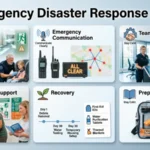
Emergency Communication Procedures
Reporting Emergencies and Giving Clear Instructions
1. “Use the designated channel to report the emergency.”
Example: Include this in an organization’s emergency communication plan.
Meaning: Help ensure urgent information reaches the correct people.
2. “State what happened, where it happened, and what help is needed.”
Example: Use this format when training staff to report an incident.
Meaning: Give responders concise information they can act on.
3. “Use plain language instead of unfamiliar abbreviations.”
Example: Include this in emergency announcements for mixed audiences.
Meaning: Make instructions easier for everyone to understand.
Confirming Messages and Sharing Verified Updates
4. “Confirm receipt of critical instructions when requested.”
Example: Use this when emergency coordinators need to verify that team leaders received an alert.
Meaning: Reduce uncertainty about whether important information was communicated.
5. “Share updates only when information has been verified.”
Example: Use this when details of an incident are still developing.
Meaning: Prevent inaccurate information from spreading.
6. “Keep emergency contact details current.”
Example: Include this in routine safety plan reviews.
Meaning: Help people reach the right contacts when needed.
Backup Communication and Public Awareness
7. “Use backup communication methods if the primary system fails.”
Example: Include this in planning for outages or network disruptions.
Meaning: Maintain communication when the usual channel is unavailable.
8. “Tell people what action to take next.”
Example: Use this when drafting a building-wide emergency announcement.
Meaning: Turn information into clear, practical instructions.
9. “Repeat essential instructions when conditions require it.”
Example: Use this when an emergency alert may not have reached everyone.
Meaning: Improve awareness without creating unnecessary confusion.
Privacy, Official Updates, and Documentation
10. “Protect personal and confidential information.”
Example: Include this in medical incident and workplace security procedures.
Meaning: Share only the information necessary for a safe response.
11. “Identify who is authorized to issue official updates.”
Example: Use this when assigning emergency communication responsibilities.
Meaning: Reduce conflicting messages during an incident.
12. “Document key notifications and decisions.”
Example: Use this during an incident review or formal emergency report.
Meaning: Maintain a reliable record of important communications.
Emergency Response Procedures for Incident Command
Leadership and Emergency Plan Activation
1. “Identify the person coordinating the response.”
Example: Include this in emergency plans for larger workplaces and events.
Meaning: Establish clear leadership during the incident.
2. “Activate the appropriate emergency plan.”
Example: Use this when an incident meets the organization’s activation criteria.
Meaning: Start the procedures designed for the situation.
3. “Define responsibilities for each response team.”
Example: Include this in emergency planning meetings and staff training.
Meaning: Reduce confusion about who should perform each task.
Situation Assessment and Resource Management
4. “Assess the situation before assigning response activities.”
Example: Use this when trained coordinators evaluate an unfolding incident.
Meaning: Support decisions based on the known hazards and available resources.
5. “Request additional resources when current capacity is insufficient.”
Example: Include this in procedures for incidents that exceed local capabilities.
Meaning: Help ensure appropriate assistance is requested promptly.
6. “Keep responders informed about changing hazards.”
Example: Use this when conditions at an incident scene change.
Meaning: Help response teams adjust their actions to new risks.
Interagency Coordination and Command Handover
7. “Coordinate with external emergency services.”
Example: Include this in a facility’s emergency management plan.
Meaning: Support an organized response across different agencies.
8. “Use established procedures for handing over command.”
Example: Use this when a more appropriate authority assumes responsibility.
Meaning: Maintain continuity and clarity in leadership.
9. “Track significant decisions and resource requests.”
Example: Include this in incident management documentation.
Meaning: Create a useful record for coordination and review.
Life Safety, Ongoing Assessment, and Handover
10. “Prioritize life safety over property protection.”
Example: Use this as a guiding principle in emergency response training.
Meaning: Keep the protection of people at the center of decisions.
11. “Review the response as conditions develop.”
Example: Use this during longer incidents that require repeated assessments.
Meaning: Ensure actions remain appropriate as the situation changes.
12. “Transfer responsibility through a clear briefing.”
Example: Include this when one response coordinator hands over to another.
Meaning: Help the incoming lead understand current risks, actions, and priorities.
Emergency Response Procedures for Missing Persons
Reporting a Missing Person and Sharing Details
1. “Notify the designated emergency coordinator immediately.”
Example: Use this when someone is reported missing during an evacuation or event.
Meaning: Ensure the concern reaches the person responsible for coordinating action.
2. “Provide the person’s last known location.”
Example: Include this when reporting a missing colleague, student, or visitor.
Meaning: Give responders a useful starting point for their assessment.
3. “Share a clear description and relevant details.”
Example: Use this when communicating with authorized response personnel.
Meaning: Help identify the person without spreading unnecessary private information.
Checking Accountability and Maintaining Safety
4. “Check attendance or visitor records when safe.”
Example: Include this in accountability procedures after an evacuation.
Meaning: Help determine who has been accounted for.
5. “Do not re-enter a hazardous area to search alone.”
Example: Use this when someone may remain inside a building after an emergency.
Meaning: Prevent additional casualties from unsafe search attempts.
6. “Pass confirmed information to emergency responders.”
Example: Use this when a witness provides a reliable sighting or update.
Meaning: Help responders work with accurate information.
Coordinating Communication and Protecting Privacy
7. “Keep a record of checks and notifications.”
Example: Include this in a facility’s missing-person response checklist.
Meaning: Maintain an organized account of actions taken.
8. “Assign a contact person for updates when appropriate.”
Example: Use this during a prolonged incident involving family members or staff.
Meaning: Help keep communications coordinated.
9. “Avoid sharing identifying details publicly without authorization.”
Example: Include this in school, workplace, and event response guidance.
Meaning: Protect privacy while ensuring necessary information reaches responders.
Following Up and Closing the Incident
10. “Report new information through the established channel.”
Example: Use this when additional details become available.
Meaning: Keep the response team informed through a reliable process.
11. “Follow the direction of the responsible authorities.”
Example: Use this when an official search or welfare check is underway.
Meaning: Ensure actions remain coordinated and safe.
12. “Update the incident record when the person is located.”
Example: Include this in the closeout steps for a missing-person incident.
Meaning: Ensure the outcome is documented and relevant parties are informed.
Post-Emergency Response and Recovery Procedures
Safety Checks and Immediate Recovery Steps
1. “Wait for authorization before declaring the area safe.”
Example: Use this after a fire, spill, structural incident, or other serious event.
Meaning: Ensure safety checks are completed by the appropriate personnel.
2. “Check for remaining hazards before resuming activities.”
Example: Include this in a post-incident workplace inspection.
Meaning: Identify risks that may persist after the immediate emergency.
3. “Provide medical or welfare support where needed.”
Example: Use this during recovery after an incident involving injuries or distress.
Meaning: Address ongoing needs after the immediate danger has passed.
Incident Reporting and Communication
4. “Record the timeline and key actions taken.”
Example: Include this in the organization’s incident reporting procedure.
Meaning: Preserve facts for review, compliance, and improvement.
5. “Report damaged equipment and safety systems.”
Example: Use this after an incident affects alarms, exits, machinery, or utilities.
Meaning: Ensure damaged systems are identified before reuse.
6. “Notify affected staff or occupants about next steps.”
Example: Use this when a building remains closed or operations are disrupted.
Meaning: Give people clear information about what happens next.
Incident Review and Lessons Learned
7. “Preserve relevant evidence when safe and appropriate.”
Example: Include this in procedures for incidents that require investigation.
Meaning: Support an accurate review of what happened.
8. “Review whether the response plan worked as intended.”
Example: Use this during a post-incident debrief.
Meaning: Identify successful actions and gaps that need attention.
9. “Record lessons learned and assign follow-up actions.”
Example: Include this in an emergency management review meeting.
Meaning: Turn the experience into practical improvements.
Restocking, Training, and Future Preparedness
10. “Restock used emergency supplies and equipment.”
Example: Use this after first-aid kits, spill kits, or other supplies have been used.
Meaning: Prepare the site for future incidents.
11. “Provide refresher training when gaps are identified.”
Example: Use this when a review shows that staff were unsure of their roles.
Meaning: Strengthen preparedness through targeted learning.
12. “Update emergency plans when risks or procedures change.”
Example: Include this in the final stage of an incident review.
Meaning: Keep emergency instructions relevant and effective.
FAQs
What Are Emergency Response Procedures?
Emergency response procedures are instructions that guide people through emergencies to protect lives and reduce harm.
Why Are Emergency Response Procedures Important?
They reduce confusion, clarify responsibilities, and help people take appropriate action during emergencies.
What Are the Main Steps in an Emergency Response?
Raise the alarm, assess immediate danger, contact responders, follow the emergency plan, and report the outcome.
Who Is Responsible for Emergency Response Procedures?
Employers, facility managers, designated safety staff, and emergency services have responsibilities based on the situation.
Should Emergency Response Procedures Be Practiced?
Yes. Regular drills and training help people understand their roles and identify gaps in the emergency plan.
How Often Should Emergency Procedures Be Reviewed?
Review them regularly and whenever hazards, staffing, buildings, or applicable requirements change.
What Should You Do If You Are Unsure What to Do?
Move away from immediate danger if safe, contact emergency services when needed, and follow official instructions.
Can Emergency Procedures Differ by Workplace?
Yes. Procedures should reflect the location, likely hazards, available resources, and needs of the people involved.
What Is the Difference Between an Emergency Plan and a Procedure?
An emergency plan outlines the overall approach, while procedures explain the actions to take in specific situations.
Should Emergency Procedures Include Evacuation Routes?
Yes. They should identify safe exits, assembly points, and arrangements for people who need assistance.
Conclusion
Effective emergency response procedures help people replace confusion with clear, practical action when every moment matters. Whether you’re preparing for a fire, medical emergency, severe weather event, chemical spill, or security threat, the right instructions can help protect lives and coordinate assistance. Use these examples as a starting point, then adapt them to your location, hazards, and applicable safety requirements.
Keep instructions accessible, train people on their responsibilities, and review the plan regularly. Preparation is not about expecting the worst every day. It’s about being ready if something unexpected happens. Save this guide, share it with your team, and make safety part of everyday planning!





1 thought on “180+ Emergency Response Procedures Examples And Essential Safety Steps For 2026”