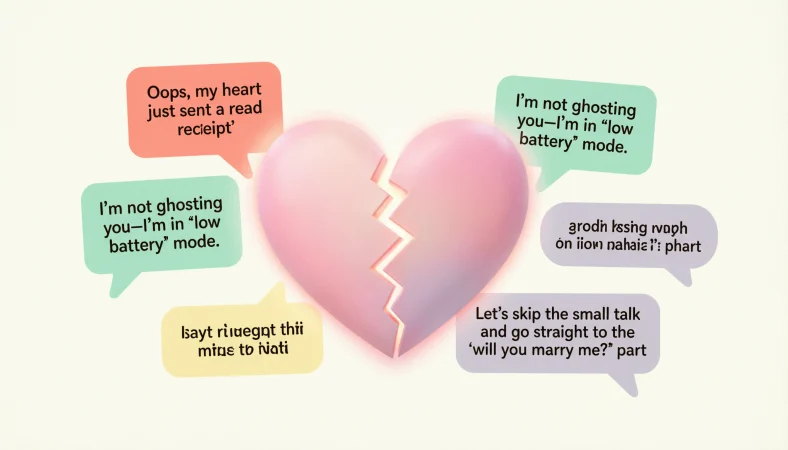
The best reply to “you broke my heart” depends on what you actually feel: apologize sincerely, explain yourself calmly, acknowledge their pain, or set a clear boundary. Choose a response that matches the situation instead of making the moment worse.
Top alternatives: “I’m truly sorry,” “I never meant to hurt you,” “Can we talk about what happened?”, “I understand why you feel that way,” “I wish things had been different.”
Sometimes one sentence can carry the emotional weight of an entire breakup. “You broke my heart” is not exactly a message you can answer with a casual “lol” and hope for the best. Whether it arrives in a late-night text, a dramatic DM, a conversation with a friend, or a message from someone you once loved, the right response depends on your feelings and the history between you.
Maybe you feel guilty or Maybe you are hurt too. Maybe you never intended to cause pain, or maybe you know the relationship simply had to end. Knowing how to respond to “you broke my heart” can help you show empathy without pretending to feel something you do not. The goal is not to win the argument. It is to communicate honestly, respectfully, and with enough emotional intelligence to avoid turning a painful moment into a full-blown season finale.
Funny Responses
Sometimes humor can soften an awkward emotional moment, especially when both people already have a playful relationship. Use these only when the situation is not genuinely raw.
- “I didn’t know my heartbreaker era had officially launched.”
Use this when the person is being slightly dramatic and you share a playful dynamic.
Meaning: You are using light humor to acknowledge the accusation without getting defensive. - “Okay, where do I submit my apology form?”
Use this when you want to apologize while keeping the mood slightly lighter.
Meaning: You are showing that you recognize their hurt without making the conversation overly serious. - “Not me accidentally becoming the villain.”
Use this when you know your actions hurt them but you are trying to avoid an argument.
Meaning: You are admitting your role with a self-aware joke. - “Can I at least get a warning before the emotional damage report?”
Use this when the conversation has a teasing tone.
Meaning: You are playfully acknowledging their emotional complaint. - “Well, that escalated from texting to emotional courtroom real fast.”
Use this when a casual conversation suddenly becomes serious.
Meaning: You are humorously pointing out how intense the conversation has become. - “I plead guilty to poor emotional decisions.”
Use this when you genuinely made a mistake and want to admit it casually.
Meaning: You are taking responsibility without sounding overly formal. - “I would like to speak to my lawyer about these allegations.”
Use this with someone who appreciates sarcastic humor.
Meaning: You are jokingly resisting the accusation while keeping things playful. - “Dang, my reputation is ruined now.”
Use this when the person is teasing rather than expressing deep heartbreak.
Meaning: You are responding with exaggerated humor. - “I really need to stop collecting emotional plot twists.”
Use this after a complicated romantic situation.
Meaning: You are recognizing that things became unexpectedly dramatic. - “That was definitely not on my 2026 bingo card.”
Use this when you want a modern, meme-friendly reaction.
Meaning: You are humorously acknowledging the unexpected emotional turn. - “I promise I’m not accepting the title of Heartbreak CEO.”
Use this when the accusation is playful.
Meaning: You are jokingly rejecting the idea that hurting them was your intention. - “Okay, but can we blame the circumstances too?”
Use this when you want humor mixed with a little context.
Meaning: You are suggesting that the situation was more complicated than one person. - “Well, that sentence just hit me harder than my alarm clock.”
Use this when their words genuinely surprise you.
Meaning: You are acknowledging that their statement affected you. - “I came here for a normal conversation and got emotionally jump-scared.”
Use this when the confession comes unexpectedly.
Meaning: You are expressing surprise in a humorous way. - “Plot twist: I’m hurt too.”
Use this when both sides are emotionally affected.
Meaning: You are gently reminding them that you also have feelings.
Brutal Responses
These replies work when you need to be direct and stop guilt-tripping, manipulation, or unnecessary emotional back-and-forth.
- “I’m sorry you’re hurt, but I won’t apologize for choosing myself.”
Use this when leaving was necessary for your well-being.
Meaning: You acknowledge their pain without taking responsibility for making a healthy decision. - “I understand your feelings, but I’m not going to accept all the blame.”
Use this when the situation involved both people.
Meaning: You are establishing a fair boundary. - “Sometimes the truth hurts more than the breakup.”
Use this when honesty ended the relationship.
Meaning: You are saying that difficult honesty was necessary. - “I never promised I could be the person you needed.”
Use this when expectations became unrealistic.
Meaning: You are explaining that incompatibility is not necessarily cruelty. - “Your heartbreak doesn’t make me responsible for fixing everything.”
Use this when someone expects you to repair their emotions.
Meaning: You are separating empathy from emotional responsibility. - “I regret hurting you, not leaving.”
Use this when you know ending the relationship was right.
Meaning: You are apologizing for the pain without regretting the decision. - “I won’t pretend we were good together just because you miss us.”
Use this when nostalgia is rewriting the past.
Meaning: You are choosing reality over romanticized memories. - “I cared about you, but caring wasn’t enough to make us work.”
Use this when love or affection could not overcome incompatibility.
Meaning: You are giving an honest explanation without false hope. - “I hear you, but I’m not changing my decision.”
Use this when someone keeps trying to reverse a breakup.
Meaning: You are showing empathy while maintaining your boundary. - “You can be hurt without making me the villain.”
Use this when blame is becoming unfair.
Meaning: You are asking them to respect the complexity of the situation. - “I won’t argue with your feelings, but I won’t accept a false version of what happened.”
Use this when the story being told is inaccurate.
Meaning: You respect their emotions while defending the facts. - “I’m sorry, but I’m not sorry for being honest.”
Use this when honesty caused emotional pain.
Meaning: You regret the hurt but stand behind your truth. - “Sometimes people break your heart because staying would break them too.”
Use this when separation was necessary.
Meaning: You are explaining that leaving can sometimes prevent deeper damage. - “I didn’t want to hurt you, but I couldn’t keep pretending.”
Use this when staying would have been dishonest.
Meaning: You prioritize authenticity over maintaining a relationship that no longer worked. - “I hope you heal, but I’m not going back.”
Use this when you want a firm ending.
Meaning: You wish them well while making your decision final.
Flirty Responses
These are best when the person saying “you broke my heart” is teasing, flirting, or clearly interested rather than genuinely devastated.
- “Then I guess I owe you a little repair work.”
Use this when playful flirting is already happening.
Meaning: You are turning the emotional complaint into flirtatious banter. - “Maybe I should make it up to you over coffee.”
Use this when you want to suggest meeting up.
Meaning: You are using the moment as an excuse to spend time together. - “Who said I was done stealing your heart?”
Use this when the flirting is mutual.
Meaning: You are confidently escalating the romantic energy. - “I can fix it, but my rates are one date and good conversation.”
Use this when you want a witty invitation.
Meaning: You are playfully suggesting a date. - “Careful, I might break it again by being irresistible.”
Use this when the conversation is bold and teasing.
Meaning: You are responding with confident flirtation. - “Should I bring flowers or just myself?”
Use this when you want a charming, playful response.
Meaning: You are offering affection in a cheeky way. - “Sounds like I owe you some extra attention.”
Use this when you want to flirt without being too intense.
Meaning: You are showing interest while keeping things light. - “Maybe your heart just has expensive taste.”
Use this when you want a confident joke.
Meaning: You are playfully suggesting that liking you is understandable. - “And yet you’re still talking to me. Interesting.”
Use this when the person clearly remains interested.
Meaning: You are teasing them about their continued attention. - “I promise the sequel will have a happier ending.”
Use this when you want to turn the moment romantic.
Meaning: You are hinting that things could improve between you. - “Then let me earn my way back into your good books.”
Use this after a small misunderstanding.
Meaning: You are showing interest in repairing the connection. - “I didn’t realize I had that much power over you.”
Use this when the conversation is obviously flirtatious.
Meaning: You are teasing them about their feelings. - “Maybe I should give your heart VIP treatment.”
Use this when you want something cute and confident.
Meaning: You are suggesting that they deserve special attention. - “I’ll take responsibility if you let me take you out.”
Use this when you want to convert flirting into a date.
Meaning: You are responding playfully while making your intentions clear. - “Your heart is safe with me now.”
Use this when you want a softer romantic line.
Meaning: You are promising care and emotional reassurance.
Polite Responses
These replies are useful when you want to be respectful, mature, and compassionate without creating unnecessary drama.
- “I’m genuinely sorry that I hurt you.”
Use this when you recognize the pain your actions caused.
Meaning: You are offering a sincere apology. - “I understand why you feel that way.”
Use this when you want to validate their emotions.
Meaning: You are acknowledging their perspective without arguing. - “I never wanted to cause you pain.”
Use this when hurting them was never your intention.
Meaning: You are expressing regret for the emotional impact. - “I appreciate you being honest about how you feel.”
Use this when they finally express their emotions.
Meaning: You are encouraging honest communication. - “I’m sorry things ended up this way.”
Use this when circumstances led to emotional distance.
Meaning: You are expressing sadness about the outcome. - “You deserved honesty, and I should have communicated better.”
Use this when poor communication contributed to the hurt.
Meaning: You are accepting responsibility for your part. - “I respect your feelings, even if mine are different.”
Use this when you disagree emotionally.
Meaning: You are setting a respectful boundary. - “I hope you know that hurting you was never my goal.”
Use this when intentions have been misunderstood.
Meaning: You are clarifying that the pain was not deliberate. - “I’m grateful for the good memories we shared.”
Use this when reflecting on a relationship that ended.
Meaning: You are recognizing the positive parts of the past. - “I wish I had handled some things differently.”
Use this when you genuinely have regrets.
Meaning: You are taking accountability without overpromising. - “I hope you find peace with everything that happened.”
Use this when the relationship needs closure.
Meaning: You are wishing them emotional healing. - “I’m sorry for the part I played in your pain.”
Use this when responsibility was shared.
Meaning: You are accepting your specific contribution. - “You have every right to feel hurt.”
Use this when their reaction is understandable.
Meaning: You are validating their emotional experience. - “Thank you for telling me how deeply this affected you.”
Use this when they open up honestly.
Meaning: You appreciate their vulnerability. - “I hope we can remember this chapter with kindness.”
Use this when you want peaceful closure.
Meaning: You are encouraging maturity instead of resentment.
Creative Responses
When a normal apology feels too predictable, these lines give the message a more memorable personality.
- “I wish I could rewind that chapter and write it differently.”
Use this when you sincerely regret your actions.
Meaning: You wish you had made better choices. - “Some stories end with tears before they make sense.”
Use this when a relationship ended painfully.
Meaning: You are acknowledging that emotional clarity can take time. - “I never wanted to become the plot twist in your love story.”
Use this when you feel bad about how things unfolded.
Meaning: You regret becoming a painful part of their story. - “If apologies could stitch hearts back together, yours would already be healing.”
Use this when you want a poetic apology.
Meaning: You are expressing deep regret and compassion. - “Maybe we were a lesson disguised as a love story.”
Use this after a relationship ends.
Meaning: You are framing the experience as something meaningful despite the pain. - “I wish feelings came with instruction manuals.”
Use this when emotions became complicated.
Meaning: You are admitting that relationships can be difficult to navigate. - “I didn’t know goodbye could leave such a loud silence.”
Use this when both people are struggling with the ending.
Meaning: You are expressing the emptiness left behind. - “Some hearts meet at the wrong time.”
Use this when timing affected the relationship.
Meaning: You believe the connection may have been real but circumstances were wrong. - “I can’t rewrite yesterday, but I can be better tomorrow.”
Use this when you want to show personal growth.
Meaning: You are accepting the past while promising better behavior. - “Your pain is real, even if my intentions were different.”
Use this when intentions and impact did not match.
Meaning: You are validating their experience without denying your own perspective. - “Maybe healing is the part of the story we haven’t reached yet.”
Use this when the breakup still feels fresh.
Meaning: You are offering hope for emotional recovery. - “I wish my choices had been kinder to your heart.”
Use this when you regret how you behaved.
Meaning: You are accepting emotional responsibility. - “We may not have gotten forever, but what we had still mattered.”
Use this when ending things respectfully.
Meaning: You are honoring the relationship without promising its return. - “Some endings are painful because the beginning meant something.”
Use this when the relationship had genuine value.
Meaning: You are recognizing that heartbreak can come from meaningful connections. - “I hope one day this memory feels softer than it does today.”
Use this when someone is struggling with the breakup.
Meaning: You are wishing them peace with time.
Sarcastic Responses
Use these carefully. Sarcasm can be hilarious between close friends but can feel cruel when someone is genuinely hurting.
- “Well, nobody said I was applying for sainthood.”
Use this when someone is jokingly accusing you of being terrible.
Meaning: You are responding with playful self-awareness. - “Apparently I’m the final boss of emotional damage.”
Use this when the situation is clearly humorous.
Meaning: You are exaggerating your role for comic effect. - “Should I send a sympathy card to your heart?”
Use this when the conversation is playful.
Meaning: You are teasing them about their dramatic wording. - “I’ll add ‘professional heartbreaker’ to my résumé.”
Use this when both people are comfortable joking.
Meaning: You are turning the accusation into a humorous label. - “Five stars for emotional drama, honestly.”
Use this when the other person is exaggerating.
Meaning: You are jokingly rating the intensity of the moment. - “And here I thought we were having a normal Tuesday.”
Use this when the confession comes out of nowhere.
Meaning: You are humorously reacting to the sudden seriousness. - “The allegations are getting serious.”
Use this when the accusation is clearly teasing.
Meaning: You are jokingly treating the situation like a scandal. - “I see we’ve entered the emotional damage department.”
Use this when the conversation becomes dramatic.
Meaning: You are poking fun at the emotional intensity. - “Do I get a trophy for this achievement?”
Use this when the person is joking with you.
Meaning: You are exaggerating your supposed accomplishment. - “Honestly, I expected a little less plot development.”
Use this when a conversation suddenly becomes emotional.
Meaning: You are using humor to acknowledge the unexpected turn. - “Well, that escalated beautifully.”
Use this when both people are laughing about the situation.
Meaning: You are playfully commenting on the sudden drama. - “Should I call customer service for your heart?”
Use this when the tone is lighthearted.
Meaning: You are playfully pretending their heartbreak needs technical support. - “I’d apologize, but my PR team is still reviewing the statement.”
Use this with someone who loves dry humor.
Meaning: You are jokingly avoiding a serious response. - “Not the emotional press conference.”
Use this when the person is being dramatically expressive.
Meaning: You are teasing them about making the situation feel huge. - “Okay, Shakespeare, I hear you.”
Use this when they are being dramatically poetic.
Meaning: You are lightly teasing their emotional delivery.
Cute Responses
These replies work when you care about the person and want your message to feel gentle, warm, and reassuring.
- “I’m really sorry, sweetheart.”
Use this when you want to respond tenderly to someone you care about.
Meaning: You are offering warmth and sincere regret. - “I never wanted your heart to hurt because of me.”
Use this when you feel genuinely guilty.
Meaning: You are reassuring them that their pain was not intentional. - “If I could take the hurt away, I would.”
Use this when you want to show compassion.
Meaning: You wish you could undo the emotional damage. - “You mean more to me than you probably realize.”
Use this when the person needs reassurance.
Meaning: You are telling them their importance is real. - “I’m sorry my actions made you feel unloved.”
Use this when your behavior sent the wrong message.
Meaning: You are recognizing the emotional impact of your actions. - “I wish I could give you a hug right now.”
Use this when physical comfort would feel appropriate.
Meaning: You want to provide emotional reassurance. - “Your heart deserved more care from me.”
Use this when you know you could have treated them better.
Meaning: You are taking responsibility with tenderness. - “I’m sorry, truly.”
Use this when you want a simple, sincere apology.
Meaning: You are expressing genuine regret without overexplaining. - “I hope you know I never took your feelings lightly.”
Use this when you want to reassure them.
Meaning: You are emphasizing that their emotions mattered to you. - “I hate knowing I hurt someone I care about.”
Use this when you still have affection for them.
Meaning: Their pain genuinely affects you. - “You deserved softness, not confusion.”
Use this when your behavior created uncertainty.
Meaning: You are acknowledging that they deserved clearer treatment. - “I wish I had protected your feelings better.”
Use this when you regret your choices.
Meaning: You accept that you could have been more considerate. - “I hope your heart feels lighter soon.”
Use this when you want to encourage healing.
Meaning: You are wishing them emotional peace. - “Thank you for trusting me enough to say that.”
Use this when they have opened up emotionally.
Meaning: You appreciate their vulnerability. - “You deserve to feel loved, safe, and understood.”
Use this when you want to affirm their worth.
Meaning: You are reminding them that their emotional needs matter.
Dramatic Responses
For moments when the conversation is already giving full movie soundtrack energy, these replies match the intensity.
- “Well, now I’m emotionally devastated too.”
Use this when both of you are caught in a dramatic moment.
Meaning: You are admitting their words affected you. - “And suddenly my entire emotional timeline makes sense.”
Use this when the statement triggers old feelings.
Meaning: You are reflecting on the emotional history between you. - “That sentence just hit harder than I expected.”
Use this when their words genuinely hurt.
Meaning: You are acknowledging the emotional impact. - “Maybe we were both trying to survive a love that stopped working.”
Use this after a painful breakup.
Meaning: You are recognizing that both people may have struggled. - “I never wanted our story to end this way.”
Use this when the ending feels heartbreaking.
Meaning: You regret how the relationship concluded. - “If I could change one chapter, I know which one it would be.”
Use this when you have a specific regret.
Meaning: You wish you could undo a painful decision. - “Some goodbyes stay with you longer than expected.”
Use this when the breakup still affects you.
Meaning: You are acknowledging the lasting emotional impact. - “I wish love came with a map because we clearly got lost.”
Use this when the relationship became complicated.
Meaning: You are describing emotional confusion in a dramatic way. - “I never imagined being the reason you cried.”
Use this when their pain genuinely bothers you.
Meaning: You are expressing deep remorse. - “Maybe we met to change each other, not to keep each other.”
Use this when looking for meaning after a breakup.
Meaning: You believe the relationship had value even if it ended. - “That was not the ending I pictured for us.”
Use this when things ended unexpectedly.
Meaning: You are expressing disappointment and sadness. - “I wish our memories came with an off switch.”
Use this when nostalgia is painful.
Meaning: You are struggling with memories of the relationship. - “I guess even beautiful things can end painfully.”
Use this when the relationship had meaningful moments.
Meaning: You are acknowledging that good memories do not guarantee forever. - “Maybe someday we’ll understand why this had to happen.”
Use this when closure is difficult.
Meaning: You are leaving room for future understanding. - “I’m sorry our story became a lesson instead of a forever.”
Use this when you are feeling sentimental.
Meaning: You regret that the relationship did not last.
Chill And Casual Responses
These are ideal when you want to acknowledge the feelings without turning the conversation into a three-hour emotional documentary.
- “I hear you.”
Use this when you want to acknowledge their feelings simply.
Meaning: You are listening without immediately arguing. - “Yeah, I get why you feel that way.”
Use this when their reaction makes sense to you.
Meaning: You are validating their perspective. - “I’m sorry, honestly.”
Use this when you want a relaxed but sincere apology.
Meaning: You regret hurting them. - “I didn’t mean for things to get this messy.”
Use this after a complicated situation.
Meaning: You regret how badly things unfolded. - “I understand.”
Use this when you do not want to overexplain.
Meaning: You acknowledge what they are saying. - “I know things got complicated.”
Use this when the relationship became difficult.
Meaning: You recognize that the situation was not simple. - “I wish it had gone differently too.”
Use this when you share some regret.
Meaning: You are expressing disappointment about the outcome. - “I never wanted to hurt you.”
Use this when you want to clarify your intentions.
Meaning: You are saying the pain was not deliberate. - “I respect how you feel.”
Use this when you disagree but want to remain calm.
Meaning: You are giving their emotions space. - “I think we both got hurt here.”
Use this when responsibility was mutual.
Meaning: You are recognizing both sides of the pain. - “I’m not going to argue with your feelings.”
Use this when the conversation is becoming heated.
Meaning: You are refusing to invalidate their emotions. - “I hope things feel easier with time.”
Use this when you want to end the conversation kindly.
Meaning: You are wishing them emotional recovery. - “I appreciate you telling me.”
Use this when they finally say what they feel.
Meaning: You value their honesty. - “I think we both deserve some peace.”
Use this when continued conversations are becoming exhausting.
Meaning: You want the situation to settle peacefully. - “Let’s not make this harder than it already is.”
Use this when emotions are getting out of control.
Meaning: You want to avoid unnecessary conflict.
Confident Responses
These replies are ideal when you want to be emotionally mature without becoming defensive, needy, or overly apologetic.
- “I can acknowledge your pain without losing my own truth.”
Use this when you want to stay grounded during an emotional conversation.
Meaning: You respect their feelings while maintaining your perspective. - “I know what I did, and I’m willing to own my part.”
Use this when you made a genuine mistake.
Meaning: You are accepting responsibility confidently. - “I won’t minimize what happened, but I won’t rewrite it either.”
Use this when both sides remember events differently.
Meaning: You are choosing honesty over emotional pressure. - “I’m sorry for hurting you, but I won’t pretend I had no reason to leave.”
Use this after ending a relationship for valid reasons.
Meaning: You are balancing empathy with self-respect. - “Your feelings matter, and mine do too.”
Use this when the conversation feels one-sided.
Meaning: You are asking for mutual emotional respect. - “I can apologize without promising something I can’t give.”
Use this when they expect reconciliation.
Meaning: You refuse to create false hope. - “I’m comfortable with the decision I made.”
Use this when someone pressures you to reconsider.
Meaning: You are standing firmly behind your choice. - “I won’t let guilt make decisions for me.”
Use this when emotional pressure is being applied.
Meaning: You are separating guilt from genuine responsibility. - “I know the ending hurt, but staying would have hurt us more.”
Use this when leaving was the healthier choice.
Meaning: You believe ending things prevented deeper damage. - “I respect your feelings, but I’m not responsible for controlling them.”
Use this when someone expects you to fix their emotions.
Meaning: You are setting a healthy emotional boundary. - “I said what I needed to say honestly.”
Use this when you communicated your truth clearly.
Meaning: You are standing behind your honesty. - “I’m not going to turn this into a blame game.”
Use this when an argument starts becoming accusatory.
Meaning: You want accountability without unnecessary hostility. - “I wish you healing, but I also choose peace for myself.”
Use this when closure is necessary.
Meaning: You care about their recovery while protecting your own peace. - “I can care about you and still know we aren’t right together.”
Use this when feelings remain but compatibility does not.
Meaning: You recognize that affection and compatibility are different. - “I won’t apologize for being honest about what I needed.”
Use this when honesty led to conflict.
Meaning: You value authenticity even when it is uncomfortable.
Emotional Responses
These replies are for moments when you genuinely feel sad, guilty, heartbroken, or deeply connected to the person.
- “Hearing you say that hurts more than you know.”
Use this when their pain affects you deeply.
Meaning: You are acknowledging that their words also hurt you. - “I never wanted to be the person who hurt your heart.”
Use this when you feel genuine remorse.
Meaning: You regret becoming a source of their pain. - “I’m sorry for every moment I made you feel like you weren’t enough.”
Use this when insecurity was part of the relationship.
Meaning: You are apologizing for damaging their sense of worth. - “You mattered to me, and you still do.”
Use this when you want them to know the relationship was meaningful.
Meaning: You are affirming their emotional importance. - “I wish I could take back the moments that hurt you.”
Use this when you have strong regrets.
Meaning: You wish you could undo your mistakes. - “I never stopped caring, even when things became complicated.”
Use this when feelings remained after conflict.
Meaning: You are explaining that distance did not erase your care. - “I’m sorry I didn’t realize how deeply you were hurting.”
Use this when you failed to notice their emotions.
Meaning: You are accepting responsibility for emotional blindness. - “Part of me wishes we had found a better way.”
Use this when you regret how things ended.
Meaning: You are expressing sadness without necessarily wanting reconciliation. - “I hate that our memories now carry pain too.”
Use this when good memories became difficult.
Meaning: You are mourning how the relationship changed. - “I never wanted our love to become something you had to heal from.”
Use this when the breakup was painful.
Meaning: You deeply regret the emotional consequences. - “I hope you never question your worth because of what happened between us.”
Use this when they blame themselves.
Meaning: You want to protect their self-esteem. - “You deserved better communication from me.”
Use this when communication failures caused hurt.
Meaning: You acknowledge where you fell short. - “I’m carrying some sadness about this too.”
Use this when you are also grieving the relationship.
Meaning: You are sharing your own emotional experience honestly. - “I’m sorry we couldn’t give each other what we needed.”
Use this when incompatibility was the main problem.
Meaning: You recognize the relationship failed both people in different ways. - “I genuinely hope your heart finds peace.”
Use this when you want to leave the situation with kindness.
Meaning: You are wishing them sincere emotional healing.
Sweet Responses
These messages work when you want to leave the person feeling respected, valued, and heard.
- “I’m truly sorry I hurt you.”
Use this when you want a straightforward and heartfelt apology.
Meaning: You sincerely regret causing emotional pain. - “You deserved honesty and kindness from me.”
Use this when you believe you could have handled things better.
Meaning: You accept that your behavior should have been more considerate. - “I’ll always be grateful for the time we shared.”
Use this when a relationship has ended.
Meaning: You are choosing gratitude instead of bitterness. - “I hope you remember the good parts too.”
Use this when the painful ending overshadows everything else.
Meaning: You want the positive memories to remain meaningful. - “I never wanted to make you feel disposable.”
Use this when someone felt rejected or replaced.
Meaning: You are reassuring them that their value was never insignificant. - “You were important to me, and that was always real.”
Use this when they question whether your feelings were genuine.
Meaning: You are validating the reality of the connection. - “I hope someday you can think of us without hurting.”
Use this when the breakup is still painful.
Meaning: You want them to heal from the experience. - “Thank you for the love you gave me.”
Use this when reflecting on a past relationship.
Meaning: You appreciate what they contributed emotionally. - “I’m sorry my choices caused you pain.”
Use this when your decisions had painful consequences.
Meaning: You are accepting responsibility. - “You deserved a softer ending than this.”
Use this when the breakup was messy.
Meaning: You recognize that the ending could have been kinder. - “I hope life treats your heart gently from here.”
Use this when saying goodbye.
Meaning: You are wishing them emotional peace and happiness. - “I’ll never make fun of what you felt for me.”
Use this when they feel embarrassed about their emotions.
Meaning: You respect their vulnerability. - “Your feelings were never something to be ashamed of.”
Use this when they regret opening up.
Meaning: You want them to feel safe about expressing emotion. - “I’m glad our paths crossed, even if they separated later.”
Use this when you want a graceful ending.
Meaning: You value the connection despite its ending. - “I hope you find someone who gives your heart exactly what it deserves.”
Use this when you genuinely want them to move forward.
Meaning: You are wishing them a healthier and happier future.
Clever Responses
These lines are thoughtful, sharp, and emotionally intelligent without being overly serious.
- “Intent and impact aren’t always the same thing.”
Use this when you did not mean to hurt them but recognize that you did.
Meaning: You are acknowledging the difference between what you intended and what happened. - “I can understand your pain without agreeing with every detail.”
Use this when you see things differently.
Meaning: You are validating emotion without surrendering your perspective. - “Maybe the hardest part is accepting that caring isn’t always enough.”
Use this when the relationship had genuine affection but still failed.
Meaning: You recognize that love cannot solve every incompatibility. - “A broken heart doesn’t automatically mean someone was wrong.”
Use this when both people made difficult choices.
Meaning: You are separating heartbreak from blame. - “Sometimes closure is accepting that there won’t be a perfect explanation.”
Use this when someone keeps searching for answers.
Meaning: You are encouraging emotional acceptance. - “I’d rather be honest and hurt you once than dishonest and hurt you repeatedly.”
Use this when honesty ended the relationship.
Meaning: You believe truth was kinder in the long run. - “We can both be hurt without either of us being the enemy.”
Use this when the conversation is becoming hostile.
Meaning: You want mutual understanding rather than blame. - “Losing a relationship and losing respect for someone aren’t the same thing.”
Use this when you want to preserve dignity.
Meaning: You can accept the breakup without becoming bitter. - “Sometimes people leave because they care enough to stop pretending.”
Use this when staying would have been dishonest.
Meaning: You believe ending things can be more respectful than pretending. - “I can regret the pain without regretting the lesson.”
Use this when the experience taught you something important.
Meaning: You recognize growth alongside regret. - “Your heartbreak is valid, but so is my need for happiness.”
Use this when someone challenges your decision to move on.
Meaning: Both people’s emotional needs deserve consideration. - “Maybe we were compatible in feelings but not in life.”
Use this when love existed but practical compatibility did not.
Meaning: Emotional connection alone was not enough. - “The ending doesn’t erase everything that was real.”
Use this when someone dismisses the entire relationship.
Meaning: You believe the good moments still mattered. - “Sometimes the kindest goodbye is the one nobody wants.”
Use this when ending things was painful but necessary.
Meaning: A difficult ending can still be the healthier choice. - “I hope we eventually remember the lesson without reliving the pain.”
Use this when seeking mature closure.
Meaning: You want both people to grow without remaining trapped in the hurt.
FAQs
What Does “You Broke My Heart” Mean?
It usually means someone feels deeply hurt, rejected, betrayed, disappointed, or emotionally wounded because of another person’s actions.
Can “You Broke My Heart” Be Flirty?
Yes, sometimes. In a playful conversation, it can be teasing rather than genuinely emotional. Pay attention to their tone, context, and relationship with you.
What Is a Good Emotional Response?
A sincere response such as “I’m truly sorry I hurt you” works when you genuinely regret causing pain. It acknowledges their feelings without making excuses.
How Should I Respond If I Do Not Feel Sorry?
Be honest but respectful. Try something like, “I understand that you’re hurt, but I don’t regret making the decision that was right for me.”
Can I Use Humor?
Yes, but only when the situation is clearly playful. If someone is genuinely heartbroken, sarcasm or jokes can make them feel dismissed.
Should I Apologize Even If I Did Nothing Wrong?
You can acknowledge their pain without accepting blame you do not believe is yours. Saying “I’m sorry you’re hurting” can be compassionate without admitting fault.
What If I Still Love Them?
Be honest about your feelings, but do not make promises simply because you feel guilty. A message like “I still care about you, but I know we need space” can be both loving and clear.
What If They Are Trying to Guilt-Trip Me?
Stay calm and set a boundary. You can say, “I understand that you’re hurt, but I won’t make decisions based on guilt.”
Is “You Broke My Heart” Always About Romance?
No. It can also describe betrayal or disappointment between friends, family members, or people who were emotionally close.
What Is the Best Response Overall?
The best response is the one that matches the truth. If you caused harm, apologize or If the situation was mutual, acknowledge both sides. If you need boundaries, communicate them clearly and kindly.
Conclusion:
When someone says, “You broke my heart,” the perfect response is not always the cleverest one. Sometimes it is a sincere apology. Also sometimes it is an honest explanation. Sometimes it is a calm boundary that says you care but cannot change your decision.
What matters most is responding in a way that matches what you genuinely feel. Your words can either calm an emotional moment or turn it into an even bigger mess, so choose them with intention. Whether you need something sweet, confident, funny, emotional, or direct, there is a response here for your situation. Save this list, share it with someone who needs it, and keep your conversations real, kind, and memorable.







2 thoughts on “150+ Best Replies To “You Broke My Heart” Honest, Emotional, Funny & Unforgettable For 2026”