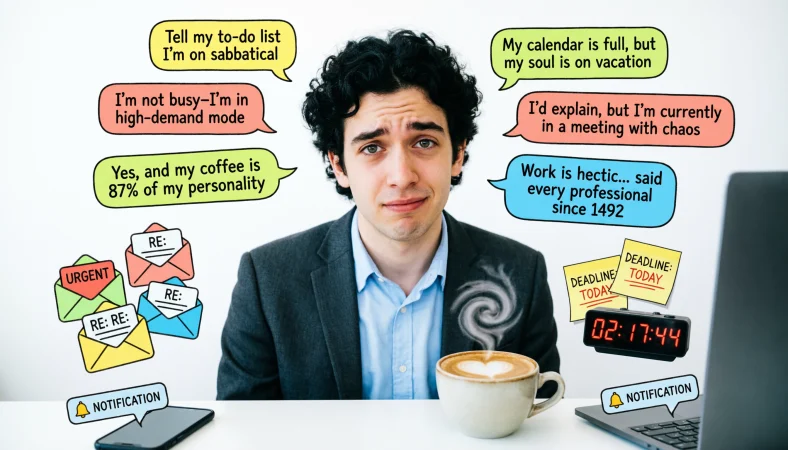
When someone says “work is hectic,” they usually mean they are overwhelmed, extremely busy, or dealing with a stressful workload. The best response depends on whether you want to sound supportive, funny, caring, flirty, or casual.
Take a breath, You’ve got this, Don’t forget to take a break, Sounds like you need a vacation, I’m here if you need me
When someone says “work is hectic,” a simple reply can turn an ordinary text into a moment of encouragement, humor, or connection. Whether it comes from a coworker, friend, crush, or partner, the right response shows that you actually heard them instead of dropping a robotic “okay” into the chat. Sometimes they need sympathy, sometimes they need a laugh, and sometimes they just want someone to acknowledge that their day is chaos.
If you are texting during a inexplicable workday, replying to a DM, checking in with a friend, or trying to keep a conversation going with your crush, knowing how to respond to “work is hectic” can make things feel much more natural. From playful jokes to genuinely caring messages, these responses give you plenty of ways to match their mood without sounding forced.
Funny Responses
1. “Sounds like your job woke up and chose violence.”
Use this when a friend describes an especially chaotic workday.
Meaning: This jokingly acknowledges how overwhelming their workload feels.
2. “Blink twice if you need an emergency snack delivery.”
Use this when someone is clearly surviving a ridiculously busy shift.
Meaning: This offers playful support while keeping things light.
3. “At this point, your laptop deserves overtime too.”
Use this when their workload seems completely unreasonable.
Meaning: This humorously exaggerates how hard they are working.
4. “Work said, ‘Peace was never an option.’”
Use this when someone has had one stressful task after another.
Meaning: This turns their chaotic day into a funny dramatic moment.
5. “Tell your emails to calm down immediately.”
Use this when they complain about an overflowing inbox.
Meaning: This playfully blames the source of their stress.
6. “Your calendar needs therapy.”
Use this when their schedule is packed from morning to evening.
Meaning: This jokes about how overloaded their day has become.
7. “So basically, you’re fighting for your life professionally.”
Use this when someone says they have barely had a moment to breathe.
Meaning: This humorously validates the intensity of their workload.
8. “Work needs to stop acting brand new.”
Use this when their workplace keeps piling on tasks.
Meaning: This gives them a funny way to complain about work.
9. “I prescribe one snack and absolutely zero emails.”
Use this when someone needs encouragement during a stressful afternoon.
Meaning: This jokingly recommends a break from work.
10. “Your inbox is clearly beefing with you.”
Use this when unread messages are causing chaos.
Meaning: This makes their workload sound like a personal rivalry.
11. “May your coffee be strong and your meetings short.”
Use this before a long day of meetings.
Meaning: This humorously wishes them survival through the workday.
12. “Corporate life really said plot twist.”
Use this when their day suddenly becomes more complicated.
Meaning: This frames unexpected work problems as an amusing twist.
13. “Congratulations, you’ve unlocked expert-level multitasking.”
Use this when someone is juggling several responsibilities.
Meaning: This jokingly turns their stress into an achievement.
14. “Work is really auditioning for your villain origin story.”
Use this when someone sounds completely fed up.
Meaning: This exaggerates their frustration for comedic effect.
15. “Hang in there, productivity warrior.”
Use this when you want to encourage them without getting too serious.
Meaning: This gives their busy day a playful motivational spin.
Supportive Responses
1. “Take it one thing at a time.”
Use this when someone feels overwhelmed by several tasks.
Meaning: This encourages them to focus on manageable steps.
2. “I hope things calm down for you soon.”
Use this when their workday sounds especially stressful.
Meaning: This expresses genuine sympathy.
3. “Don’t forget to breathe and take a break.”
Use this when someone seems to be working nonstop.
Meaning: This gently reminds them to look after themselves.
4. “You’ve got this.”
Use this when they need a quick confidence boost.
Meaning: This reassures them that they can handle the situation.
5. “That sounds exhausting. Be kind to yourself today.”
Use this when their workload has clearly drained them.
Meaning: This combines empathy with encouragement.
6. “Hopefully the chaos settles down soon.”
Use this when they are stuck in a hectic work period.
Meaning: This acknowledges their stress while offering hope.
7. “I’m rooting for you.”
Use this when you want to provide emotional encouragement.
Meaning: This lets them know someone is on their side.
8. “Get through what you can and don’t stress about perfection.”
Use this when they are putting too much pressure on themselves.
Meaning: This encourages realistic expectations.
9. “You deserve a proper break after all this.”
Use this when they have been working for hours.
Meaning: This recognizes their effort and need for rest.
10. “Hope you get some peace once the workday ends.”
Use this when they are looking forward to going home.
Meaning: This wishes them a calmer evening.
11. “That sounds like a lot. I hope you’re doing okay.”
Use this when their message sounds more serious than casual complaining.
Meaning: This shows concern for their wellbeing.
12. “Keep going, but don’t forget yourself in the process.”
Use this when someone is pushing themselves too hard.
Meaning: This encourages perseverance without ignoring self-care.
13. “One hectic day doesn’t define you.”
Use this when work problems are affecting their confidence.
Meaning: This separates their identity from a stressful day.
14. “You’re doing better than you think.”
Use this when they feel like they are falling behind.
Meaning: This gives them reassurance and confidence.
15. “I hope tomorrow treats you much better.”
Use this when their entire day has gone badly.
Meaning: This offers optimism for what comes next.
Flirty Responses
1. “Sounds like you need someone to distract you.”
Use this when a crush complains about a stressful workday.
Meaning: This adds playful romantic interest to the conversation.
2. “I volunteer as your after-work distraction.”
Use this when you want to flirt without being overly serious.
Meaning: This suggests spending time together in a playful way.
3. “Come here, I’ll make your day better.”
Use this when you already have a comfortable romantic connection.
Meaning: This offers affection with a confident tone.
4. “Then I guess I’ll have to spoil you after work.”
Use this when they deserve some pampering after a stressful day.
Meaning: This communicates caring interest with a flirty edge.
5. “Work can have you for now, but I’m stealing your attention later.”
Use this when you expect to talk after their shift.
Meaning: This playfully claims future attention.
6. “Need a cute distraction?”
Use this when you want a short, teasing reply.
Meaning: This lightly suggests that you could brighten their mood.
7. “I know a very attractive solution to workplace stress.”
Use this when your relationship supports confident flirting.
Meaning: This playfully implies that you are the solution.
8. “Sounds like you owe yourself some time with me.”
Use this when you want to turn sympathy into a date suggestion.
Meaning: This combines care with romantic interest.
9. “I’ll be your reward for surviving today.”
Use this when you are already flirting regularly.
Meaning: This presents your company as something enjoyable to look forward to.
10. “Forget work for five minutes and think about me.”
Use this when you want something teasing and bold.
Meaning: This playfully asks for their attention.
11. “Hectic day? Perfect excuse for me to pamper you.”
Use this when you want to sound caring and romantic.
Meaning: This offers affection after a difficult day.
12. “Your boss gets your time. I want the fun part.”
Use this when you are joking about their work schedule.
Meaning: This playfully separates work time from romantic time.
13. “I’d prescribe cuddles for that.”
Use this when your relationship is affectionate.
Meaning: This turns emotional support into a cute romantic gesture.
14. “Come clock out and let me steal you for a while.”
Use this when suggesting time together after work.
Meaning: This shows interest while keeping the tone playful.
15. “Work sounds exhausting. Luckily, I’m excellent at making people smile.”
Use this when you want a confident but warm flirt.
Meaning: This positions you as someone who can brighten their mood.
Polite Responses
1. “I hope your workload eases up soon.”
Use this with a colleague, acquaintance, or friend.
Meaning: This politely acknowledges their busy schedule.
2. “Sounds like you have a lot going on today.”
Use this when you want to show that you are listening.
Meaning: This recognizes their situation without overstepping.
3. “I hope the rest of your day goes smoothly.”
Use this when ending a conversation during their workday.
Meaning: This sends a considerate wish.
4. “Take care of yourself while you’re busy.”
Use this when someone sounds overwhelmed.
Meaning: This expresses gentle concern.
5. “Hopefully things settle down for you soon.”
Use this when their workload is temporarily intense.
Meaning: This communicates sympathy and optimism.
6. “That sounds like quite a day.”
Use this when you want a simple, natural response.
Meaning: This validates their experience without exaggerating it.
7. “I hope you get a chance to rest later.”
Use this when they have been working for a long time.
Meaning: This shows consideration for their wellbeing.
8. “Wishing you a calmer afternoon.”
Use this during a particularly busy workday.
Meaning: This offers a thoughtful but concise response.
9. “I understand. Hopefully it gets better soon.”
Use this when you want to be empathetic and straightforward.
Meaning: This acknowledges their stress respectfully.
10. “No worries, take your time.”
Use this when their busy schedule affects your conversation.
Meaning: This removes pressure from them.
11. “Sounds like you’re having a packed day.”
Use this when someone has multiple responsibilities.
Meaning: This politely recognizes their workload.
12. “I hope everything goes well.”
Use this when you do not know the details of their situation.
Meaning: This offers general encouragement.
13. “Take a breather whenever you can.”
Use this when they have a moment between tasks.
Meaning: This gently encourages rest.
14. “Good luck getting through everything today.”
Use this before they return to work.
Meaning: This provides a supportive send-off.
15. “Hopefully tomorrow is a little less hectic.”
Use this when they have experienced several stressful days.
Meaning: This expresses hope for improvement.
Professional Responses
1. “I completely understand. It sounds like you have a full schedule.”
Use this when a colleague explains a delayed response.
Meaning: This acknowledges their workload professionally.
2. “No problem, please take the time you need.”
Use this when someone cannot respond immediately.
Meaning: This removes unnecessary pressure.
3. “Understood. We can revisit this when things settle down.”
Use this when a work discussion needs to be postponed.
Meaning: This communicates flexibility.
4. “Thanks for letting me know.”
Use this when someone explains why they are unavailable.
Meaning: This keeps the response courteous and professional.
5. “I hope the rest of your day goes smoothly.”
Use this when ending a professional exchange.
Meaning: This offers polite goodwill.
6. “No worries at all. I understand how busy things can get.”
Use this when a colleague apologizes for being slow to respond.
Meaning: This shows patience and understanding.
7. “Take care of the urgent items first.”
Use this when priorities need to be managed.
Meaning: This communicates practical support.
8. “We can connect when you have some breathing room.”
Use this when scheduling a future discussion.
Meaning: This respects their workload.
9. “Sounds like you have a lot on your plate today.”
Use this when acknowledging a demanding schedule.
Meaning: This recognizes their workload in a natural professional tone.
10. “I appreciate the update.”
Use this when someone communicates about their availability.
Meaning: This keeps the exchange respectful and efficient.
11. “Please don’t worry about responding immediately.”
Use this when your request is not urgent.
Meaning: This reduces pressure.
12. “I hope things become more manageable soon.”
Use this when a coworker describes ongoing stress.
Meaning: This expresses professional empathy.
13. “Let’s pick this up when your schedule allows.”
Use this when timing is flexible.
Meaning: This communicates patience.
14. “Understood. Best of luck with everything today.”
Use this when closing a professional conversation.
Meaning: This gives them a courteous encouragement.
15. “Thanks for keeping me posted despite the busy schedule.”
Use this when they still made time to communicate.
Meaning: This acknowledges their effort.
Creative Responses
1. “May your to-do list mysteriously complete itself.”
Use this when someone has an absurd number of tasks.
Meaning: This offers humorous encouragement through a fantasy solution.
2. “Sending you imaginary backup workers.”
Use this when they need help but cannot get it.
Meaning: This playfully pretends to provide extra support.
3. “May the emails fear you today.”
Use this when their inbox is out of control.
Meaning: This turns workplace stress into a playful battle.
4. “Consider this your official permission to breathe.”
Use this when they have been working nonstop.
Meaning: This encourages them to pause and reset.
5. “Your productivity arc is getting intense.”
Use this when they have been unusually busy.
Meaning: This humorously frames their workday like a storyline.
6. “Sending good vibes directly to your desk.”
Use this when you want a cheerful response.
Meaning: This communicates support in a playful way.
7. “May every meeting today end five minutes early.”
Use this before a meeting-heavy afternoon.
Meaning: This gives them a funny little wish for relief.
8. “I’m placing your workload on airplane mode.”
Use this when they need a mental break.
Meaning: This jokingly imagines shutting off their stress.
9. “Your desk deserves a tiny vacation.”
Use this when their workspace has become a symbol of chaos.
Meaning: This playfully emphasizes how busy they are.
10. “I’m sending one imaginary trophy for surviving.”
Use this after a particularly rough shift.
Meaning: This celebrates their effort humorously.
11. “May your coffee have legendary powers.”
Use this during an exhausting morning.
Meaning: This jokingly wishes them extra energy.
12. “I hereby declare your inbox officially dramatic.”
Use this when unread messages keep multiplying.
Meaning: This makes their email overload sound amusingly theatrical.
13. “Your workload needs a software update.”
Use this when their current routine clearly is not working.
Meaning: This humorously suggests that their work situation needs fixing.
14. “Sending emergency serotonin by text.”
Use this when someone needs a mood boost.
Meaning: This playfully says you are trying to cheer them up.
15. “May the next task be suspiciously easy.”
Use this when they have been dealing with difficult assignments.
Meaning: This wishes them a small win.
Sarcastic Responses
1. “Oh good, because relaxing would have been too convenient.”
Use this when their workload suddenly increases.
Meaning: This sarcastically jokes about their lack of free time.
2. “Love that for you.”
Use this when their workday is clearly going terribly.
Meaning: This uses dry humor to acknowledge the chaos.
3. “Because apparently you had too much free time.”
Use this when more tasks keep appearing.
Meaning: This sarcastically mocks the unreasonable workload.
4. “Ah yes, another peaceful day in paradise.”
Use this when work is anything but peaceful.
Meaning: This uses irony to highlight their stressful day.
5. “Nothing says happiness like an overflowing inbox.”
Use this when emails are piling up.
Meaning: This sarcastically points out the misery of excessive messages.
6. “Clearly your workplace believes in character development.”
Use this when someone keeps facing difficult challenges.
Meaning: This jokingly suggests their struggles are building personality.
7. “Because sleep is apparently overrated.”
Use this when they have been working late.
Meaning: This sarcastically comments on their lack of rest.
8. “What a beautiful way to spend your entire existence.”
Use this when someone has spent all day at work.
Meaning: This exaggerates their frustration for comedic effect.
9. “Your job really knows how to keep things exciting.”
Use this when every day brings another crisis.
Meaning: This sarcastically frames workplace chaos as entertainment.
10. “Nothing could possibly go wrong now.”
Use this when things are already chaotic.
Meaning: This jokingly tempts fate.
11. “Ah, productivity. The gift that keeps taking.”
Use this when working hard is becoming exhausting.
Meaning: This mocks the endless demands of productivity.
12. “I’m sure your calendar has plenty of empty space.”
Use this when their schedule is completely packed.
Meaning: This uses obvious irony to describe their lack of free time.
13. “Sounds relaxing. Almost jealous.”
Use this when they describe a stressful workload.
Meaning: This sarcastically contrasts their stress with relaxation.
14. “Your boss must think you’re secretly three people.”
Use this when one person is given too many responsibilities.
Meaning: This jokes about unrealistic expectations.
15. “Work really said, ‘You thought you were done?’”
Use this when another task appears at the last minute.
Meaning: This captures the frustration of never-ending work.
Cute Responses
1. “Aww, hang in there.”
Use this when someone you care about sounds tired.
Meaning: This gives gentle emotional support.
2. “Sending you a little virtual hug.”
Use this when they need comfort during a stressful day.
Meaning: This expresses warmth from a distance.
3. “Don’t work too hard, okay?”
Use this when someone has been pushing themselves.
Meaning: This shows affectionate concern.
4. “I hope your day gets easier soon.”
Use this when their workload feels overwhelming.
Meaning: This offers sincere encouragement.
5. “You deserve a cozy evening after this.”
Use this when they are looking forward to going home.
Meaning: This encourages them to reward themselves with rest.
6. “One more day of chaos and then you can breathe.”
Use this when they are nearly finished with work.
Meaning: This gives them something positive to look forward to.
7. “Sending you extra patience today.”
Use this when work requires dealing with difficult people.
Meaning: This playfully offers emotional support.
8. “Please remember to eat something too.”
Use this when they are too busy to think about themselves.
Meaning: This shows practical care.
9. “You’re doing great, even if today feels messy.”
Use this when they are doubting themselves.
Meaning: This reassures them despite the chaos.
10. “I’m cheering for you from over here.”
Use this when you want to encourage them from afar.
Meaning: This communicates affection and support.
11. “Go easy on yourself today.”
Use this when they seem emotionally drained.
Meaning: This encourages self-compassion.
12. “Your busy little brain needs a break.”
Use this when they have been thinking nonstop.
Meaning: This gives the reminder a playful, affectionate tone.
13. “I hope something makes you smile today.”
Use this when they need a mood boost.
Meaning: This expresses genuine care.
14. “You’ve got this, cutie.”
Use this when your relationship allows affectionate language.
Meaning: This combines reassurance with sweetness.
15. “Save some energy for yourself.”
Use this when someone is giving everything to work.
Meaning: This reminds them that their own needs matter too.
Dramatic Responses
1. “This is a workplace tragedy in three acts.”
Use this when someone describes an unusually chaotic day.
Meaning: This turns their stress into playful drama.
2. “How will you survive this legendary battle?”
Use this when they have several difficult tasks ahead.
Meaning: This humorously exaggerates their struggle.
3. “The corporate gods have tested you again.”
Use this when work keeps throwing challenges at them.
Meaning: This dramatizes their professional frustration.
4. “Your peace has officially left the building.”
Use this when the day becomes completely chaotic.
Meaning: This humorously announces the loss of calm.
5. “Someone alert the historians. This day will be remembered.”
Use this after an especially difficult workday.
Meaning: This exaggerates the situation for comic effect.
6. “I fear your calendar may never recover.”
Use this when their schedule is packed.
Meaning: This gives their busy schedule an intentionally dramatic personality.
7. “May you return from the battlefield victorious.”
Use this before they return to work.
Meaning: This playfully compares work to a heroic battle.
8. “Your inbox has become the final boss.”
Use this when they have an enormous number of emails.
Meaning: This frames their workload as a video game challenge.
9. “This level of chaos was not in the original script.”
Use this when unexpected problems appear.
Meaning: This jokes about how unpredictable their day is.
10. “I demand justice for your lunch break.”
Use this when they have not had time to eat.
Meaning: This humorously defends their need for a break.
11. “Your workday deserves its own documentary.”
Use this when the chaos has been nonstop.
Meaning: This exaggerates the day’s entertainment value.
12. “Stay strong, brave warrior of the spreadsheet.”
Use this when their work involves endless documents or data.
Meaning: This gives mundane work a heroic twist.
13. “Your nine-to-five has entered its villain era.”
Use this when work has become unusually stressful.
Meaning: This uses internet language to dramatize their frustration.
14. “I’m emotionally invested in your escape plan.”
Use this when they are counting down to leaving work.
Meaning: This playfully shows concern for their escape from the chaos.
15. “Tonight, we celebrate your survival.”
Use this after a brutal workday.
Meaning: This turns getting through work into a funny achievement.
Chill And Casual Responses
1. “Yeah, I feel you.”
Use this when you want a relaxed, relatable response.
Meaning: This shows simple understanding.
2. “Sounds like a long day.”
Use this when they have been busy for hours.
Meaning: This acknowledges their workload casually.
3. “Hope it chills out soon.”
Use this when they are still dealing with work.
Meaning: This wishes them a calmer day.
4. “Take it easy when you can.”
Use this when they finally have some free time.
Meaning: This encourages them to relax.
5. “That’s rough.”
Use this when someone describes a stressful situation.
Meaning: This gives quick sympathetic acknowledgment.
6. “Oof, that sounds intense.”
Use this when their workload sounds especially heavy.
Meaning: This casually validates their frustration.
7. “Hang in there.”
Use this when they still have hours left.
Meaning: This gives them simple encouragement.
8. “Hopefully you’re done soon.”
Use this when they are close to finishing work.
Meaning: This expresses hope that their busy period ends quickly.
9. “Work really keeps us humble.”
Use this when joking about everyday workplace struggles.
Meaning: This adds a relaxed humorous perspective.
10. “You’ll get through it.”
Use this when they need a little encouragement.
Meaning: This gives straightforward reassurance.
11. “No rush, handle your stuff.”
Use this when they cannot keep texting.
Meaning: This tells them there is no pressure to respond.
12. “Sounds like chaos over there.”
Use this when their workplace is unusually busy.
Meaning: This casually reflects their situation.
13. “Go survive your shift.”
Use this when they need to get back to work.
Meaning: This offers playful encouragement.
14. “Catch your breath when you can.”
Use this when they have been moving nonstop.
Meaning: This gently encourages a pause.
15. “Hope the rest of it flies by.”
Use this when they still have several hours left.
Meaning: This wishes them a quicker, easier finish.
Confident Responses
1. “You can handle it.”
Use this when someone doubts their ability to manage work.
Meaning: This gives direct confidence.
2. “One task at a time and you’ll crush it.”
Use this when they have a long list of responsibilities.
Meaning: This combines practical advice with encouragement.
3. “You’ve handled worse.”
Use this when you know they have survived difficult workdays before.
Meaning: This reminds them of their resilience.
4. “Don’t let the chaos intimidate you.”
Use this when they feel overwhelmed by pressure.
Meaning: This encourages them to stay confident.
5. “You’re more capable than this workload.”
Use this when they are questioning themselves.
Meaning: This separates their abilities from the size of their workload.
6. “Keep your head up. You’ve got this.”
Use this when they need a strong motivational message.
Meaning: This reinforces confidence and determination.
7. “Handle business, then reclaim your evening.”
Use this when they are focused on finishing tasks.
Meaning: This encourages them to complete work and protect their personal time.
8. “Don’t let a hectic day win.”
Use this when they are frustrated by setbacks.
Meaning: This frames the situation as something they can overcome.
9. “You’re built for tough days.”
Use this when someone is known for handling pressure well.
Meaning: This praises their resilience.
10. “Focus, finish, freedom.”
Use this when they need a quick motivational phrase.
Meaning: This gives them a simple three-step mindset.
11. “You’ll come out on top.”
Use this when they are facing a difficult assignment.
Meaning: This expresses strong belief in their success.
12. “The workload is big, but so are you.”
Use this when they need confidence.
Meaning: This reminds them that their ability can match the challenge.
13. “Keep going. You’re closer than you think.”
Use this when they are nearly finished.
Meaning: This encourages persistence.
14. “You’re not losing to a Tuesday.”
Use this when an ordinary workday feels absurdly difficult.
Meaning: This uses humor to strengthen their confidence.
15. “Finish strong.”
Use this when they are approaching the end of their shift.
Meaning: This offers concise motivation.
Emotional Responses
1. “I’m sorry you’re having such a stressful day.”
Use this when someone genuinely sounds emotionally exhausted.
Meaning: This validates their difficult experience.
2. “You don’t have to pretend everything is fine.”
Use this when they are clearly struggling.
Meaning: This gives them permission to be honest about their feelings.
3. “I’m here if you need someone to listen.”
Use this when they seem to need emotional support.
Meaning: This offers a safe space without forcing advice.
4. “That sounds like a lot to carry.”
Use this when their workload has become emotionally overwhelming.
Meaning: This acknowledges the weight of their situation.
5. “I hope you’re taking care of yourself too.”
Use this when work is consuming all their attention.
Meaning: This shows concern beyond their productivity.
6. “You deserve more than nonstop stress.”
Use this when their workplace has been consistently overwhelming.
Meaning: This validates their need for balance.
7. “It’s okay to admit you’re tired.”
Use this when they feel guilty about being exhausted.
Meaning: This reassures them that fatigue is understandable.
8. “I wish I could make the day easier for you.”
Use this when you care deeply about their wellbeing.
Meaning: This communicates empathy and emotional closeness.
9. “Please don’t be too hard on yourself.”
Use this when they are blaming themselves for work problems.
Meaning: This encourages self-compassion.
10. “You’re allowed to have a rough day.”
Use this when they feel pressured to stay positive.
Meaning: This normalizes difficult emotions.
11. “I hope you get the rest you need tonight.”
Use this after a draining workday.
Meaning: This expresses genuine care.
12. “Your worth isn’t measured by how much work you finish.”
Use this when they are tying their self-worth to productivity.
Meaning: This reminds them that their value goes beyond work.
13. “You’ve been doing your best, and that matters.”
Use this when they feel like their effort is not enough.
Meaning: This validates their effort.
14. “I’m proud of you for getting through today.”
Use this when the day has been particularly difficult.
Meaning: This celebrates their resilience.
15. “Tomorrow can be a fresh start.”
Use this when today has gone badly.
Meaning: This offers hope and emotional reassurance.
Sweet Responses
1. “Go easy on yourself today.”
Use this when someone is under heavy pressure.
Meaning: This expresses gentle care.
2. “I hope your day gets lighter soon.”
Use this when they are stuck in a hectic schedule.
Meaning: This wishes them relief.
3. “Sending you a little extra patience and good energy.”
Use this when they need encouragement.
Meaning: This offers warm emotional support.
4. “You deserve a peaceful evening after this.”
Use this when they are nearly done working.
Meaning: This reminds them to look forward to rest.
5. “Don’t forget that someone is cheering for you.”
Use this when they need reassurance.
Meaning: This lets them know they are supported.
6. “I hope you get a proper break today.”
Use this when they have been working nonstop.
Meaning: This shows thoughtful concern.
7. “Take care of that hardworking heart.”
Use this when you want something affectionate and poetic.
Meaning: This combines admiration with tenderness.
8. “You’ve got this, and I’ve got you.”
Use this with someone you share a close relationship with.
Meaning: This communicates confidence and emotional support.
9. “I hope something unexpectedly good happens today.”
Use this when they need a little positivity.
Meaning: This wishes them a pleasant surprise.
10. “Save a little energy for the things that make you happy.”
Use this when work is consuming their entire day.
Meaning: This encourages them to protect their personal joy.
11. “You’re doing your best, and that’s enough.”
Use this when they are putting too much pressure on themselves.
Meaning: This offers reassurance and acceptance.
12. “I’ll be here when the work chaos is over.”
Use this when you expect to reconnect later.
Meaning: This communicates patience and affection.
13. “Hope your next hour is kinder to you.”
Use this during an especially difficult shift.
Meaning: This offers a small, heartfelt wish for relief.
14. “Sending you a giant virtual hug.”
Use this when they need comfort from a distance.
Meaning: This expresses warmth and affection.
15. “You deserve some serious relaxation tonight.”
Use this after a demanding day.
Meaning: This encourages them to prioritize rest.
Clever Responses
1. “Hectic is just busy wearing a dramatic outfit.”
Use this when you want to make their stress sound less intimidating.
Meaning: This reframes chaos with clever humor.
2. “Your workload clearly skipped the concept of moderation.”
Use this when they have too many tasks.
Meaning: This cleverly points out the excess.
3. “Sounds like your to-do list has become a subscription service.”
Use this when tasks keep appearing.
Meaning: This jokes about the never-ending workload.
4. “At least your calendar is getting plenty of attention.”
Use this when their schedule is packed.
Meaning: This uses dry humor to acknowledge their lack of free time.
5. “Work-life balance has left the chat.”
Use this when work is taking over their personal time.
Meaning: This uses internet language to describe poor balance.
6. “Your inbox is practicing population growth.”
Use this when emails keep multiplying.
Meaning: This cleverly exaggerates their email problem.
7. “Productivity has officially become a contact sport.”
Use this when they are juggling several demanding tasks.
Meaning: This compares intense work to physical competition.
8. “Your boss discovered the word ‘urgent’ and never looked back.”
Use this when everything is labeled urgent.
Meaning: This humorously criticizes excessive workplace urgency.
9. “You’re not busy. You’re starring in a workplace survival series.”
Use this when the day feels unusually chaotic.
Meaning: This turns their workload into an entertaining storyline.
10. “The to-do list is doing too much, literally.”
Use this when their task list is overwhelming.
Meaning: This makes a playful observation about their workload.
11. “Your workday has more plot twists than a season finale.”
Use this when unexpected problems keep appearing.
Meaning: This cleverly describes unpredictability.
12. “Apparently, peace and productivity cannot coexist today.”
Use this when they cannot catch a break.
Meaning: This highlights the conflict between work and calm.
13. “Your schedule is giving ‘fully booked and emotionally unavailable.’”
Use this when they have absolutely no free time.
Meaning: This combines scheduling language with relationship humor.
14. “Your workload needs a warning label.”
Use this when the amount of work seems excessive.
Meaning: This humorously suggests their schedule is hazardous.
15. “Clock in, conquer chaos, clock out.”
Use this when giving someone a quick motivational boost.
Meaning: This turns their workday into a simple mission.
FAQs
What Does “Work Is Hectic” Mean?
It usually means someone is extremely busy, overwhelmed, stressed, or dealing with a lot of tasks at work.
How Do I Respond When Someone Says “Work Is Hectic”?
Match their mood. Try “You’ve got this” for support, “Sounds like your inbox is fighting you” for humor, or “I’m here if you need me” for emotional support.
What Is A Flirty Response To “Work Is Hectic”?
Try something playful like “Sounds like you need a cute distraction” or “I’ll make your day better after work.”
Can “Work Is Hectic” Be An Emotional Statement?
Yes. Sometimes it is simply a statement about being busy, but it can also be a subtle way of saying someone feels stressed, exhausted, or overwhelmed.
What Should I Say If I Do Not Know What To Say?
Keep it simple with “That sounds exhausting,” “Hope things calm down soon,” or “Take your time, I understand.”
Is It Okay To Joke When Someone Says “Work Is Hectic”?
Yes, if you know they appreciate humor and are not genuinely upset. If they sound emotionally drained, a supportive response is usually better.
Is “Work Is Hectic” Professional?
Yes. It is common in casual professional communication, especially when explaining a busy schedule or delayed response. For formal writing, “I have a particularly busy schedule” may sound more polished.
What If Someone Says “Work Is Hectic” To Explain A Late Reply?
A relaxed response such as “No worries, handle your work first” shows understanding without adding pressure.
What If My Crush Says “Work Is Hectic”?
Use a warm or playful reply depending on your relationship, such as “Need a distraction?” or “Hope I can make your evening better.”
Conclusion
When someone says “work is hectic,” your response can be much more than a quick “I understand.” A funny comeback can make them laugh, a supportive message can make them feel seen, and a flirty reply can turn a stressful workday into a fun conversation. The key is matching the energy instead of forcing a response that does not fit the moment.
Keep these replies saved for those chaotic Monday mornings, endless meetings, overflowing inboxes, and dramatic workday DMs. Try a few different styles and see which ones sound most like you. If one of these replies made you smile, save the list, share it with a friend, and keep the good comebacks ready for the next hectic day.






1 thought on “150+ Best Replies to “Work Is Hectic” Funny, Supportive, Flirty & Text-Ready For 2026”