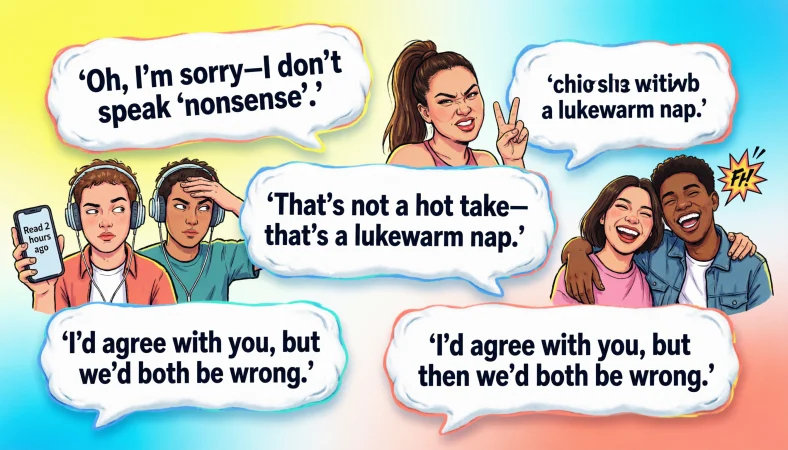
Keep it in your pants is usually a playful or blunt way to tell someone to calm down, stop flirting, or control their excitement. The best comeback depends on whether you want to be funny, flirty, sarcastic, confident, or simply shut the comment down.
Top alternatives: Behave yourself, Take a chill pill, Calm down there, Keep it together, Easy there, Romeo
Someone says “keep it in your pants,” and suddenly you need a comeback faster than your Wi-Fi can load a meme. This phrase usually appears when someone is being overly flirty, suggestive, excited, or simply acting a little too eager. You might hear it in texts, DMs, group chats, dating conversations, or playful exchanges with friends.
The right response can turn an awkward moment into a genuinely funny one, especially when both people understand the joke. Of course, not every situation calls for flirting or sarcasm. Sometimes a confident, polite response works better.
These keep it in your pants comebacks give you plenty of options for every mood, from hilarious and cheeky to clever and composed. Pick the line that matches your personality, read the room, and remember: timing is half the comedy.
Funny Keep It in Your Pants Comebacks
“I’m trying, but they have free will.”
Use this when you want to turn the comment into a ridiculous joke.
Meaning: You are playfully exaggerating the situation for humor.
“They’re already on airplane mode.”
Use this when someone teases you about being too excited.
Meaning: You jokingly claim everything is completely under control.
“Relax, they’re safely secured.”
Use this with a friend who loves teasing you.
Meaning: You are answering the joke with another joke.
“Mission control says we’re good.”
Use this in a group chat when everyone is being silly.
Meaning: You make the situation sound dramatically official.
“No worries, the pants are behaving.”
Use this when someone playfully calls you out.
Meaning: You are keeping the response light and harmless.
“I have excellent self-control, allegedly.”
Use this when you want a dry, internet-friendly joke.
Meaning: You jokingly question your own discipline.
“The pants have received the memo.”
Use this when someone tells you to calm down.
Meaning: You humorously pretend your clothing can follow instructions.
“I’m innocent until proven entertaining.”
Use this when the conversation is clearly playful.
Meaning: You turn the accusation into a cheeky defense.
“Consider me professionally contained.”
Use this when you want an absurdly formal response.
Meaning: You make the situation funny by sounding overly serious.
“Don’t worry, I’ve got this under control-ish.”
Use this when you want self-deprecating humor.
Meaning: You admit you are not taking the situation too seriously.
“Pants: secured. Dignity: pending.”
Use this as a meme-style text reply.
Meaning: You make yourself the punchline.
“Thank you for your concern, pants are cooperating.”
Use this when someone is teasing you repeatedly.
Meaning: You respond politely while keeping the joke alive.
Witty Keep It in Your Pants Comebacks
“I could, but where’s the fun in that?”
Use this when the conversation is openly playful.
Meaning: You answer with confident cheekiness.
“That sounds like a personal challenge.”
Use this when someone is jokingly trying to control your excitement.
Meaning: You turn their comment into playful banter.
“Noted, but your timing is questionable.”
Use this when you want a clever comeback without being too flirty.
Meaning: You acknowledge the joke while teasing them back.
“Bold of you to assume I wasn’t already trying.”
Use this when someone knows you are joking around.
Meaning: You use irony to make the response sharper.
“I prefer to call it enthusiasm.”
Use this when someone says you are being too eager.
Meaning: You give your behavior a humorous rebrand.
“That depends entirely on the situation.”
Use this when you want to keep things mysterious.
Meaning: You avoid giving a straightforward answer.
“I’ll add that to today’s list of unsolicited advice.”
Use this when someone is being playfully bossy.
Meaning: You lightly challenge their comment.
“Interesting suggestion. I’ll file it under ‘maybe.’”
Use this when you want a calm, witty reply.
Meaning: You keep the exchange playful without committing.
“You make a compelling argument.”
Use this when you want understated humor.
Meaning: You pretend their teasing deserves serious consideration.
“I appreciate the confidence in your instructions.”
Use this when someone sounds overly authoritative.
Meaning: You gently tease them for acting in charge.
“That sounds like something my future self can handle.”
Use this when you want to dodge the comment humorously.
Meaning: You shift responsibility to your imaginary future self.
“I’ll consider your proposal after careful review.”
Use this when you want mock professionalism.
Meaning: You make a casual joke sound like a business decision.
Flirty Keep It in Your Pants Comebacks
“Maybe you’re just distracting me.”
Use this when someone you like is teasing you.
Meaning: You flirt while subtly blaming them for your reaction.
“Hard to behave when you’re this tempting.”
Use this when the chemistry is obvious and mutual.
Meaning: You turn the warning into a compliment.
“You’re making self-control unnecessarily difficult.”
Use this when the conversation is already romantic.
Meaning: You playfully admit that they are affecting you.
“Then stop being so attractive.”
Use this when someone jokes about your interest.
Meaning: You flirt by putting the blame on their looks.
“I was behaving until you showed up.”
Use this when you want a confident romantic comeback.
Meaning: You suggest they are responsible for your change in mood.
“I’ll behave if you give me a reason to.”
Use this when you want playful mystery.
Meaning: You turn the exchange into light flirtation.
“You say that like you’re not enjoying this.”
Use this when both people are clearly joking and flirting.
Meaning: You tease them about secretly liking the attention.
“Maybe my problem is your timing.”
Use this when they catch you being flirty.
Meaning: You imply their presence makes restraint harder.
“I’m behaving. You’re just interpreting it creatively.”
Use this when you want a clever flirty line.
Meaning: You deny the accusation while keeping the playful mood.
“Fine, but you’re not making it easy.”
Use this when you want a short and charming response.
Meaning: You admit attraction without becoming overly direct.
“I blame your energy.”
Use this when the other person is being playful.
Meaning: You flirt by saying their personality is influencing you.
“Maybe I need better supervision.”
Use this when the teasing is clearly mutual.
Meaning: You turn the joke into a playful invitation for more banter.
Polite Keep It in Your Pants Comebacks
“Haha, I’ll take that advice.”
Use this when you want to keep things friendly.
Meaning: You acknowledge the comment without escalating it.
“Fair enough, I’ll behave.”
Use this with a friend or casual acquaintance.
Meaning: You respond respectfully while keeping things light.
“Message received.”
Use this when you want a short, calm response.
Meaning: You show that you understand what they mean.
“Point taken.”
Use this when you want to sound mature and composed.
Meaning: You accept the teasing without making it awkward.
“Noted, thanks for the reminder.”
Use this when you want polite humor.
Meaning: You acknowledge the comment without taking offense.
“Alright, I’ll keep things respectful.”
Use this when the situation is becoming uncomfortable.
Meaning: You clearly show that you respect the boundary.
“Got it, I’ll tone it down.”
Use this when someone genuinely wants you to stop.
Meaning: You demonstrate that you are listening.
“No problem, I understand.”
Use this in a situation where humor may not be appropriate.
Meaning: You respond calmly and respectfully.
“Fair point, I’ll behave myself.”
Use this when you want a friendly acknowledgment.
Meaning: You accept the playful correction.
“Understood, I’ll keep it classy.”
Use this when you want a polished response.
Meaning: You promise to keep your behavior appropriate.
“Thanks for keeping me grounded.”
Use this with someone you know well.
Meaning: You turn the teasing into a friendly moment.
“Alright, boundaries respected.”
Use this when someone has made their limits clear.
Meaning: You show maturity and respect.
Professional Keep It in Your Pants Comebacks
“Understood. I’ll keep things professional.”
Use this when a workplace conversation becomes too personal.
Meaning: You clearly reset the tone.
“Point taken. Back to business.”
Use this when colleagues are joking around during work.
Meaning: You steer the conversation toward work.
“Noted. Professional mode activated.”
Use this when a coworker makes a playful remark.
Meaning: You use light humor while maintaining boundaries.
“Fair reminder. Let’s keep it appropriate.”
Use this when the setting requires restraint.
Meaning: You acknowledge the need for professionalism.
“Message received loud and clear.”
Use this when you want a concise workplace reply.
Meaning: You confirm that you understand.
“Absolutely. I’ll keep the conversation work-focused.”
Use this when someone wants to redirect a discussion.
Meaning: You make the professional boundary explicit.
“Consider the matter professionally handled.”
Use this when you want a polished joke.
Meaning: You use formal language to add humor.
“Understood. We’ll keep this strictly business.”
Use this when colleagues are getting distracted.
Meaning: You bring the conversation back to work.
“Fair enough. Back to the agenda.”
Use this during a meeting or work chat.
Meaning: You acknowledge the joke and refocus.
“Duly noted. Let’s continue.”
Use this when you want a neutral response.
Meaning: You accept the comment without dwelling on it.
“I’ll take that as a reminder to stay professional.”
Use this when the comment is slightly awkward.
Meaning: You show awareness of workplace expectations.
“Understood. Keeping things respectful and focused.”
Use this when you need a mature response.
Meaning: You establish a clear professional tone.
Sarcastic Keep It in Your Pants Comebacks
“Thank you, Captain Obvious.”
Use this with a close friend who is teasing you.
Meaning: You sarcastically suggest their advice was unnecessary.
“Wow, groundbreaking advice.”
Use this when someone gives you an obvious warning.
Meaning: You poke fun at how predictable their comment is.
“I’ll alert the authorities immediately.”
Use this when the conversation is clearly joking.
Meaning: You exaggerate the situation for comic effect.
“Thank you for your extremely important announcement.”
Use this when you want playful sarcasm.
Meaning: You pretend their comment deserves a press conference.
“I’ll add that to the official handbook.”
Use this when someone acts like they are giving rules.
Meaning: You tease them for being overly serious.
“Noted, your honor.”
Use this when someone is playfully acting authoritative.
Meaning: You respond with mock respect.
“I’ll try to survive this valuable advice.”
Use this with a friend who loves giving opinions.
Meaning: You jokingly exaggerate their influence.
“Your wisdom continues to amaze me.”
Use this when their comment is obvious.
Meaning: You use exaggerated praise as sarcasm.
“Thank goodness you were here to explain that.”
Use this when someone states the obvious.
Meaning: You playfully pretend you needed their guidance.
“Truly, where would I be without you?”
Use this when you want dramatic sarcasm.
Meaning: You mock their helpfulness in a friendly way.
“I’ll make sure that goes on my résumé.”
Use this when someone gives you a silly instruction.
Meaning: You exaggerate its importance for comedic effect.
“Excellent. Another life lesson unlocked.”
Use this when you want modern sarcasm.
Meaning: You pretend the teasing has taught you something profound.
Cute Keep It in Your Pants Comebacks
“I’m trying my best, okay?”
Use this when you want an adorable response.
Meaning: You playfully admit defeat.
“No promises, but I’ll try.”
Use this with someone you are comfortable teasing.
Meaning: You keep the answer sweet and mischievous.
“Okayyy, I’ll behave.”
Use this in a playful text with someone close.
Meaning: You agree in a cute, exaggerated way.
“Fine, you win.”
Use this when the teasing is lighthearted.
Meaning: You pretend to surrender for fun.
“I’ll be good. Probably.”
Use this when you want cute humor.
Meaning: You promise just enough to keep the joke going.
“Look at me being responsible.”
Use this when you want playful self-awareness.
Meaning: You celebrate your imaginary self-control.
“I’m putting my best behavior on.”
Use this when someone is playfully correcting you.
Meaning: You respond with exaggerated sweetness.
“Okay, boss.”
Use this with a friend or flirt when the tone is comfortable.
Meaning: You playfully accept their authority.
“You’re so worried about me.”
Use this when someone is teasing you affectionately.
Meaning: You turn their warning into a cute observation.
“Fine, I’ll keep my halo on.”
Use this when you want an innocent-sounding joke.
Meaning: You pretend to be perfectly angelic.
“Behaving is officially on my schedule.”
Use this when you want a cute, silly response.
Meaning: You make self-control sound like an appointment.
“I’m an angel. Please respect the brand.”
Use this when friends know you are joking.
Meaning: You humorously defend your innocent image.
Clever Keep It in Your Pants Comebacks
“Self-control is a work in progress.”
Use this when you want a thoughtful but funny response.
Meaning: You acknowledge the joke without overdoing it.
“I prefer strategic enthusiasm.”
Use this when someone calls you overly excited.
Meaning: You cleverly reframe your behavior.
“Context matters, counselor.”
Use this when someone is making assumptions.
Meaning: You jokingly challenge their interpretation.
“Your concern has been officially documented.”
Use this when you want mock-formal humor.
Meaning: You pretend their warning is an official case.
“I’ll let the evidence speak for itself.”
Use this when the exchange is playful.
Meaning: You create mystery instead of answering directly.
“That depends on your definition of ‘keep.’”
Use this when you want wordplay.
Meaning: You humorously question the wording.
“I believe in responsible enthusiasm.”
Use this when you want a polished joke.
Meaning: You suggest excitement can still have limits.
“I’m simply operating within acceptable parameters.”
Use this when you want nerdy humor.
Meaning: You pretend the situation is governed by technical rules.
“The situation is under careful observation.”
Use this when someone is teasing you.
Meaning: You respond with intentionally serious language.
“I reserve the right to appeal.”
Use this when someone tells you to behave.
Meaning: You turn the instruction into a mock legal matter.
“I plead playful banter.”
Use this when you want a short clever comeback.
Meaning: You jokingly defend yourself using courtroom language.
“No further questions at this time.”
Use this when you want to end the teasing elegantly.
Meaning: You playfully refuse to explain yourself.
Confident Keep It in Your Pants Comebacks
“I know how to behave, thanks.”
Use this when someone is being overly controlling.
Meaning: You confidently remind them that you can handle yourself.
“Relax, I’ve got it handled.”
Use this when you want a calm, assured response.
Meaning: You show self-confidence without being aggressive.
“I know my limits.”
Use this when someone is genuinely concerned.
Meaning: You communicate maturity and self-awareness.
“No need to worry about me.”
Use this when you want to remain composed.
Meaning: You reassure them that you are in control.
“I’m good, but thanks for checking.”
Use this when you want confident politeness.
Meaning: You acknowledge their comment without giving it power.
“Trust me, I can read the room.”
Use this when someone questions your judgment.
Meaning: You confidently state that you understand the situation.
“I know exactly what I’m doing.”
Use this when the teasing is harmless.
Meaning: You project confidence and control.
“Consider me fully composed.”
Use this when you want a polished humorous reply.
Meaning: You confidently claim that everything is under control.
“No panic required.”
Use this when someone reacts dramatically to your behavior.
Meaning: You keep the mood calm and confident.
“I’ve survived worse warnings.”
Use this when a friend is playfully lecturing you.
Meaning: You respond with relaxed confidence.
“I can handle a little teasing.”
Use this when someone is testing your reaction.
Meaning: You show that you are comfortable with playful banter.
“Confidence is not the same as losing control.”
Use this when you want a clever, mature comeback.
Meaning: You distinguish confidence from reckless behavior.
Dramatic Keep It in Your Pants Comebacks
“My reputation has been ruined.”
Use this when someone teases you in front of friends.
Meaning: You exaggerate the moment for comedy.
“I shall never recover from this accusation.”
Use this when you want theatrical humor.
Meaning: You pretend their joke is a major personal crisis.
“How could you say such things about me?”
Use this when the teasing is clearly playful.
Meaning: You act mock-offended for laughs.
“This is the beginning of my villain era.”
Use this when you want an internet-style dramatic joke.
Meaning: You exaggerate a tiny moment into a fictional storyline.
“My dignity has left the group chat.”
Use this when you embarrass yourself.
Meaning: You humorously admit that the moment got awkward.
“I need a moment to process this betrayal.”
Use this when a friend calls you out.
Meaning: You pretend their comment was deeply dramatic.
“Someone call the press.”
Use this when the situation is hilariously exaggerated.
Meaning: You pretend the moment deserves major attention.
“This conversation has changed me forever.”
Use this when you want an intentionally dramatic response.
Meaning: You make a tiny joke sound life-changing.
“I was not prepared for this level of disrespect.”
Use this with close friends.
Meaning: You pretend their teasing is an outrageous insult.
“My lawyers will be in touch.”
Use this when you want mock-serious humor.
Meaning: You dramatically threaten fictional legal action.
“I demand a formal apology.”
Use this when someone playfully calls you out.
Meaning: You exaggerate your reaction for entertainment.
“And just like that, my innocence is gone.”
Use this when you want theatrical humor.
Meaning: You jokingly act as though their comment changed everything.
Chill and Casual Keep It in Your Pants Comebacks
“Haha, fair.”
Use this when you want the easiest casual response.
Meaning: You acknowledge the joke without overthinking it.
“Alright, alright.”
Use this when someone is teasing you repeatedly.
Meaning: You casually signal that you got the message.
“I’m good, promise.”
Use this when you want a relaxed reassurance.
Meaning: You show that there is nothing to worry about.
“Gotcha.”
Use this in a quick text or group chat.
Meaning: You confirm that you understand.
“Okay, noted.”
Use this when you want casual humor.
Meaning: You acknowledge the comment without escalating it.
“Haha, I hear you.”
Use this when someone is playfully calling you out.
Meaning: You accept the teasing in a relaxed way.
“All good over here.”
Use this when someone seems concerned.
Meaning: You reassure them without making the moment serious.
“No stress.”
Use this when you want a calm, friendly reply.
Meaning: You keep the energy easygoing.
“You got it.”
Use this when you want a confident but casual response.
Meaning: You show that you understood their point.
“Fair warning received.”
Use this when someone is teasing you.
Meaning: You acknowledge their comment with light humor.
“I’ll behave, relax.”
Use this when you want playful reassurance.
Meaning: You keep the exchange friendly and low-pressure.
“We’re all good.”
Use this when you want to close the topic smoothly.
Meaning: You signal that there is no issue.
Sweet Keep It in Your Pants Comebacks
“Aww, you care about me.”
Use this when someone teasingly tells you to behave.
Meaning: You turn their warning into an affectionate moment.
“That’s actually sweet of you.”
Use this when you want to soften the exchange.
Meaning: You appreciate their concern.
“Don’t worry, I’m behaving.”
Use this when someone genuinely cares about your boundaries.
Meaning: You reassure them warmly.
“I’ll keep it respectful.”
Use this when you want to show consideration.
Meaning: You communicate that you value the other person’s comfort.
“You’re looking out for me, huh?”
Use this when the comment feels affectionate.
Meaning: You recognize their playful concern.
“Thanks for keeping me grounded.”
Use this when a close friend gently calls you out.
Meaning: You appreciate their honesty.
“I promise I know when to stop.”
Use this when you want to reassure someone.
Meaning: You show that you understand boundaries.
“You’re cute when you worry.”
Use this when the relationship is already comfortable and flirty.
Meaning: You turn concern into gentle flirtation.
“I’ll be good, scout’s honor.”
Use this when you want playful sweetness.
Meaning: You make a simple promise sound adorable.
“No worries, I respect the vibe.”
Use this when you want warmth without overexplaining.
Meaning: You show that you understand the mood.
“Your concern is appreciated.”
Use this when you want a sweet but slightly playful response.
Meaning: You acknowledge their care.
“Okay, okay, I’ll behave for you.”
Use this when the relationship allows affectionate teasing.
Meaning: You turn the moment into playful sweetness.
Short and Quick Keep It in Your Pants Comebacks
“Noted.”
Use this when you need a one-word response.
Meaning: You acknowledge the comment.
“Fair.”
Use this when you want effortless humor.
Meaning: You accept the point casually.
“Relax.”
Use this when the other person is overreacting.
Meaning: You reassure them with confidence.
“I’m good.”
Use this when you want a neutral answer.
Meaning: You signal that everything is under control.
“Got it.”
Use this when you want to keep things simple.
Meaning: You show that you understand.
“Will do.”
Use this when you want playful compliance.
Meaning: You agree without making a big deal out of it.
“Say less.”
Use this when you want a modern casual response.
Meaning: You indicate that you understood immediately.
“Point taken.”
Use this when you want a mature short reply.
Meaning: You accept the message.
“I’ll behave.”
Use this when you want a friendly response.
Meaning: You promise to tone things down.
“Message received.”
Use this when you want slightly witty wording.
Meaning: You confirm that their point landed.
“All under control.”
Use this when you want confident reassurance.
Meaning: You claim that everything is fine.
“Roger that.”
Use this when you want a playful, old-school touch.
Meaning: You humorously confirm the instruction.
Playful Keep It in Your Pants Comebacks
“Who says I’m not behaving?”
Use this when you want to tease the person back.
Meaning: You playfully challenge their assumption.
“Define behaving.”
Use this when the conversation is full of banter.
Meaning: You use ambiguity to make the response funny.
“I thought we were having fun.”
Use this when the teasing is mutual.
Meaning: You playfully question why they want you to stop.
“You seem very invested in my pants.”
Use this when a friend repeatedly uses the phrase.
Meaning: You flip the joke back onto them.
“That sounds like your problem now.”
Use this when you want cheeky humor.
Meaning: You playfully refuse responsibility.
“You noticed, huh?”
Use this when you want a teasing response.
Meaning: You turn their comment into playful curiosity.
“I’ll behave when you do.”
Use this with someone who enjoys friendly banter.
Meaning: You tease them right back.
“You’re paying suspiciously close attention.”
Use this when someone is being nosy.
Meaning: You jokingly suggest they are more interested than they admit.
“I feel personally monitored.”
Use this when a friend keeps calling you out.
Meaning: You exaggerate their attention for humor.
“Someone’s keeping tabs on me.”
Use this when you want a playful comeback.
Meaning: You imply that they are unusually interested.
“You worry about me too much.”
Use this when the exchange is affectionate.
Meaning: You turn teasing into playful closeness.
“Fine, but I’m keeping the attitude.”
Use this when you agree to behave but want to stay funny.
Meaning: You humorously preserve your personality.
Boundary-Setting Keep It in Your Pants Comebacks
“I’m happy to joke, but let’s keep it respectful.”
Use this when the teasing starts crossing a line.
Meaning: You establish a clear boundary without hostility.
“That comment isn’t really my vibe.”
Use this when someone makes you uncomfortable.
Meaning: You calmly communicate that you do not enjoy the tone.
“Let’s keep things appropriate.”
Use this in a serious or public setting.
Meaning: You clearly ask for a more respectful tone.
“I’d rather not joke about that.”
Use this when you want to stop the topic politely.
Meaning: You communicate a personal limit.
“I’m not comfortable with that kind of comment.”
Use this when someone continues after you have hinted at discomfort.
Meaning: You state your boundary directly.
“Let’s change the subject.”
Use this when you want to move on without conflict.
Meaning: You redirect the conversation.
“I understand the joke, but I’d rather keep it clean.”
Use this when you want to remain friendly.
Meaning: You acknowledge their intent while setting a limit.
“Please keep the comments respectful.”
Use this when the situation requires firmness.
Meaning: You directly ask for appropriate behavior.
“That’s not something I want to discuss.”
Use this when someone pushes the conversation too far.
Meaning: You clearly close the subject.
“I’m going to pass on that kind of banter.”
Use this when you want a calm response.
Meaning: You politely decline to participate.
“Let’s keep the conversation comfortable for everyone.”
Use this in a group setting.
Meaning: You encourage respectful communication.
“I’d appreciate a little more respect here.”
Use this when the comment genuinely bothers you.
Meaning: You clearly request better treatment.
Best Friend Keep It in Your Pants Comebacks
“You sound jealous.”
Use this when your best friend is teasing you.
Meaning: You turn their comment into a playful accusation.
“Mind your business, respectfully.”
Use this when friends are being nosy.
Meaning: You create a funny boundary without sounding serious.
“Worry about your own wardrobe.”
Use this when you want to tease them back.
Meaning: You redirect their joke toward themselves.
“You have way too much free time.”
Use this when a friend keeps commenting on your behavior.
Meaning: You jokingly question their level of interest.
“Thanks, Mom.”
Use this when your friend starts lecturing you.
Meaning: You humorously compare them to a concerned parent.
“I didn’t ask for a TED Talk.”
Use this when their advice gets too long.
Meaning: You playfully tell them to stop giving a lecture.
“You really woke up invested today.”
Use this when their teasing is unusually persistent.
Meaning: You joke about their dedication.
“Go drink some water and relax.”
Use this when your friend is being dramatic.
Meaning: You humorously tell them to calm down.
“You’re obsessed with me.”
Use this when their teasing is constant.
Meaning: You turn their attention into a joke about admiration.
“This friendship has too many terms and conditions.”
Use this when your friend keeps making rules.
Meaning: You joke about their bossy behavior.
“I’ll take your concern under advisement.”
Use this when you want mock-formal humor.
Meaning: You make their advice sound like an official proposal.
“Thanks for the parental supervision.”
Use this when a friend is acting protective.
Meaning: You tease them while acknowledging their concern.
Clever Wordplay Comebacks
“I’m keeping it in perspective.”
Use this when you want a subtle wordplay response.
Meaning: You cleverly reinterpret the phrase without escalating it.
“I’m keeping everything where it belongs.”
Use this when you want a polished joke.
Meaning: You respond literally for comic effect.
“Containment protocol is active.”
Use this when you want nerdy humor.
Meaning: You make self-control sound like a technical procedure.
“The situation remains appropriately contained.”
Use this when you want mock-serious language.
Meaning: You humorously claim everything is controlled.
“I’m currently within acceptable limits.”
Use this when someone says you are too excited.
Meaning: You turn the joke into technical terminology.
“Consider the situation responsibly managed.”
Use this when you want a formal-sounding comeback.
Meaning: You make a casual situation sound like a corporate report.
“I prefer pants with excellent security features.”
Use this when you want absurd humor.
Meaning: You turn the phrase into a silly literal joke.
“Containment confirmed.”
Use this when you want a short witty response.
Meaning: You jokingly report that everything is under control.
“The pants have passed inspection.”
Use this when you want playful wordplay.
Meaning: You pretend your outfit has undergone an official review.
“All systems are functioning normally.”
Use this when someone teases you about being excited.
Meaning: You make the situation sound like a machine check.
“No wardrobe emergencies detected.”
Use this when you want a goofy response.
Meaning: You use mock technical language to keep things funny.
“Everything remains firmly within protocol.”
Use this when you want a polished joke.
Meaning: You pretend there are official rules governing the situation.
Comebacks for When You Want to Shut It Down
“I heard you. Let’s move on.”
Use this when you want the conversation to end.
Meaning: You acknowledge the comment without inviting more discussion.
“Okay, enough with that.”
Use this when someone keeps repeating the joke.
Meaning: You clearly ask them to stop.
“Let’s keep it respectful.”
Use this when the conversation has gone too far.
Meaning: You establish a straightforward boundary.
“Not interested in that conversation.”
Use this when you want to be direct.
Meaning: You clearly decline the topic.
“We’re done with that joke.”
Use this when someone refuses to let the subject go.
Meaning: You firmly close the conversation.
“That’s enough, thanks.”
Use this when you want a short and polite shutdown.
Meaning: You communicate that the topic should end.
“Let’s talk about something else.”
Use this when you want a smooth subject change.
Meaning: You redirect the conversation without creating conflict.
“I’m not entertaining that.”
Use this when someone is deliberately pushing your limits.
Meaning: You confidently refuse to participate.
“Wrong audience for that one.”
Use this when a comment is inappropriate for you.
Meaning: You clearly indicate that the joke did not land.
“Keep the jokes respectful.”
Use this when you want to stay calm but firm.
Meaning: You set expectations for future comments.
“I’m good without that kind of commentary.”
Use this when you want a composed response.
Meaning: You reject the comment without becoming hostile.
“Let’s leave that one alone.”
Use this when you want a softer shutdown.
Meaning: You ask everyone to move on.
FAQs
What Does “Keep It in Your Pants” Mean?
It usually means to calm down, control yourself, or stop being overly sexual, flirty, excited, or eager. Depending on the context, it can be serious teasing or playful banter.
Is “Keep It in Your Pants” Always Sexual?
No. People sometimes use it jokingly when someone is extremely excited, eager, impatient, or enthusiastic about something. Context and tone matter.
What Is a Funny Response to “Keep It in Your Pants”?
Try “Pants: secured. Dignity: pending.” It keeps the mood playful without taking the comment too seriously.
What Is a Flirty Response to “Keep It in Your Pants”?
Try “Hard to behave when you’re this tempting.” Use it only when the flirting is clearly mutual and welcome.
What If I Want to Shut the Conversation Down?
Use something simple such as “I heard you. Let’s move on.” A direct response is usually better than forcing another joke.
Can I Use These Comebacks With Friends?
Absolutely. Funny and sarcastic replies often work best with close friends who understand your sense of humor.
Can I Use These Responses at Work?
Choose professional options such as “Understood. I’ll keep things professional.” Avoid sexual jokes in workplace conversations.
What If Someone Says It Seriously?
Do not automatically joke back. If they are uncomfortable, acknowledge the boundary and adjust your behavior.
Can “Keep It in Your Pants” Be Flirty?
Yes. Between people who are already flirting, it can be playful teasing. It does not automatically mean romantic or sexual interest, though.
What If I Do Not Like the Comment?
You can say “I’m not comfortable with that kind of comment.” You never have to participate in banter that makes you uncomfortable.
Conclusion
The best keep it in your pants comebacks are the ones that match the moment. A funny response can keep friends laughing, a clever line can win the banter battle, and a confident answer can show that you are completely comfortable in your own skin. If the conversation is flirty, choose something playful. If it is professional, keep your response polished.
And if someone crosses a boundary, being direct is always better than forcing a joke. The beauty of a good comeback is that it lets your personality do the talking without making the moment awkward. Save these lines for your next text, group chat, or playful exchange, and pick your favorite when the moment arrives.