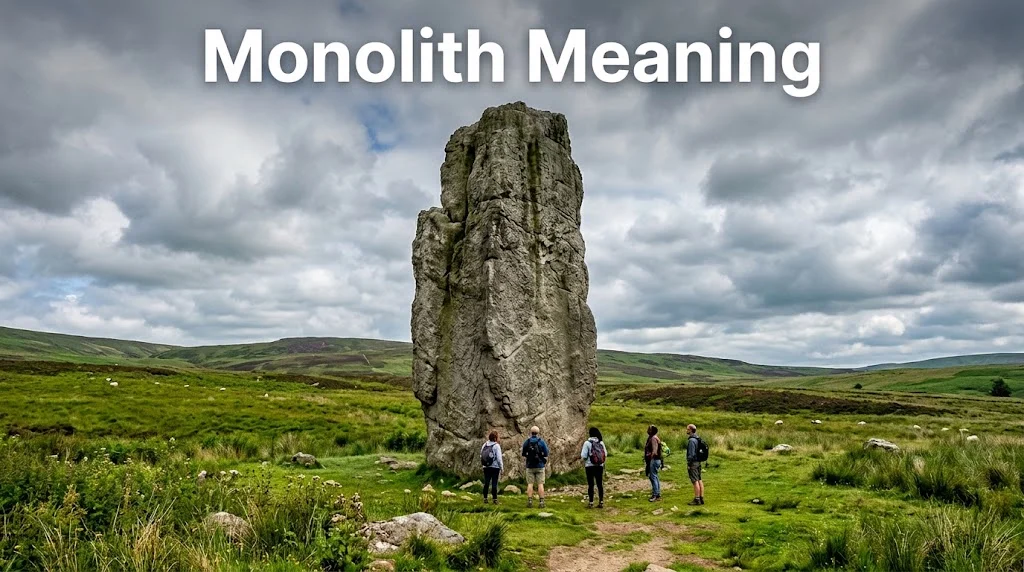
The word “monolith” refers to a large, single block of stone, usually shaped or carved into a structure, monument, or sculpture. However, its meaning goes beyond physical objects. In modern English, it can also describe something massive, powerful, uniform, or difficult to change, such as a large organization, government, or corporation.
For example, an ancient stone monument made from one huge piece of rock is a monolith, while a powerful company controlling an entire industry may also be described as a monolith. In simple terms, monolith means something large, solid, and often seemingly unchangeable.
Have you ever seen a massive stone structure standing alone in an open field and wondered how something so enormous was created? Or heard someone describe a powerful corporation as a “monolith” and wondered why they used that particular word?
The term may sound complicated, but its meaning becomes easier to understand when you look at how people use it in different situations. From ancient monuments and architectural structures to modern technology companies and political organizations, monolith can describe things that appear massive, unified, and difficult to challenge.
Understanding the monolith meaning helps you recognize the word in history, literature, business, technology, and everyday conversations. In its literal sense, a monolith is a large structure or monument made from a single block of stone.
However, its figurative meaning is often used to describe a powerful organization or system that operates as one large, uniform entity. The word also has a specific meaning in software development, where a monolithic application is built as one unified system rather than separate independent services.
In this guide, we’ll explore its definitions, origins, examples, synonyms, and different uses to help you understand the term clearly.
Table of Contents
- What Does Monolith Mean?
- Origin and History of the Word
- Different Types of Monoliths
- Famous Monolith Examples Around the World
- Natural Monoliths vs. Human-Made Monoliths
- Why Monoliths Matter in History and Culture
- Monolith vs. Megalith vs. Monument
- How the Word Monolith Is Used Today
- Frequently Asked Questions
- Conclusion
What Does Monolith Mean?
The word monolith refers to a large, solid structure made from one piece of stone or another continuous material. It comes from two Greek words: monos, meaning “single” or “alone,” and lithos, meaning “stone.” Together, they describe the idea of a single stone.
The term is most familiar in geology and archaeology, where it can refer to enormous rock formations, carved stone pillars, and ancient structures. However, its meaning has expanded over time. Today, people also use it to describe something that appears massive, unified, and difficult to change.
For example, a huge rock rising from a flat landscape may be described as a natural monolith. An ancient stone pillar carved from one block may be called a human-made monolith. A large company with a centralized structure might also be described as a corporate monolith.
The key idea is unity. A monolith appears to be one solid mass rather than a collection of separate pieces.
Monolith in Simple Words
In simple terms, a monolith is a large, single piece of stone or something that resembles one solid structure.
Consider these examples:
- A massive rock standing alone in a desert.
- A tall stone pillar carved from one block.
- A large structure made from one continuous piece of concrete.
- A powerful organization with a centralized system.
Not every large building is technically a monolith. A structure assembled from many separate blocks may look massive, but the word traditionally emphasizes a single solid piece or a unified mass.
Origin and History of the Word
The word has ancient Greek roots, but its use in English developed much later. Its components, monos and lithos, describe a single stone, making the original meaning quite literal.
The concept itself is much older than the English word. Ancient communities across different parts of the world moved, shaped, and raised enormous stones for religious, ceremonial, burial, and practical purposes.
Stone was an important building material because it could survive for centuries when properly selected and placed. Unlike wood, it does not rot, and unlike many softer materials, certain types of stone resist weathering remarkably well.
As archaeology and geology developed, the term became useful for describing both natural rock masses and human-made structures. Its modern figurative meaning came from the same central idea: something large, unified, and seemingly immovable.
That connection explains why the word can describe a rock formation, a stone monument, or a powerful institution without losing its basic sense of solidity.
Different Types of Monoliths
Monoliths are not all formed in the same way. Some develop naturally through geological processes, while others are shaped or positioned by people.
The following categories help explain the main differences.
| Type | Description | Example |
| Natural monolith | A large rock formation created by geological processes | Uluru, Australia |
| Carved monolith | A structure cut or shaped from one piece of stone | Egyptian obelisks |
| Erected monolith | A large stone placed upright by people | Standing stones at Callanish |
| Architectural monolith | A structure designed to appear as one solid mass | A single-piece concrete sculpture |
| Figurative monolith | A large, unified organization or system | A corporate monolith |
1. Natural Monoliths
Natural monoliths form through geological processes rather than human construction. They may consist of hard rock that remains standing after surrounding material wears away.
Wind, rain, temperature changes, and erosion can gradually shape the surrounding landscape. Softer rock may break down faster, leaving a more resistant mass exposed.
Some formations become famous because of their unusual shapes, enormous size, or cultural importance.
Examples include Uluru in Australia and the Rock of Gibraltar, although the geological structures and origins of these places differ.
2. Carved Stone Monoliths
A carved monolith is made by shaping one large piece of stone into a specific form.
Ancient builders used this approach to create pillars, statues, religious objects, and architectural features. The work required careful planning because a crack or mistake could damage the entire piece.
Egyptian obelisks are well-known examples. These tall, four-sided stone monuments were usually carved from a single block of stone and topped with a pyramid-shaped point.
The unfinished obelisk at Aswan, Egypt, offers a particularly interesting example of the work involved. It remains connected to the bedrock because it was never fully separated from the surrounding granite.
3. Erected Standing Stones
Some monoliths were shaped or selected and then placed upright in the ground.
These stones are often associated with prehistoric communities. Their exact purposes vary and may not always be known, but they are linked to ceremonial, burial, territorial, or astronomical activities in different archaeological settings.
The standing stones of Callanish in Scotland are a notable example. They form part of a prehistoric stone complex on the Isle of Lewis.
4. Modern Architectural Monoliths
The word also appears in modern architecture and design.
A building or sculpture may be described as monolithic when it has a solid, unified appearance. Concrete is often used for this style because it can be poured into large forms and shaped into continuous surfaces.
However, an object that looks monolithic is not necessarily made from one physical piece. In modern design, the term can describe the overall appearance rather than the exact construction method.
Famous Monolith Examples Around the World
Several well-known places and structures help show how different these stone formations can be.
Uluru, Australia
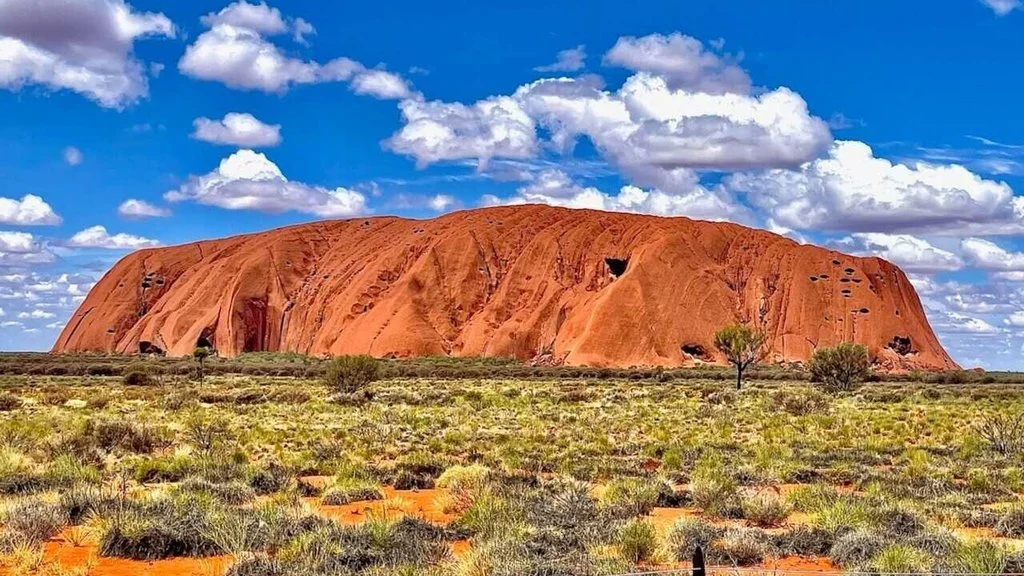
Uluru is a massive sandstone formation in Australia’s Northern Territory. It rises dramatically above the surrounding landscape and is one of the country’s most recognizable natural landmarks.
Uluru is especially important to the Anangu people, the Traditional Owners of the area. It has deep cultural and spiritual significance, with stories, traditions, and responsibilities connected to the land.
Although it is commonly called a monolith, its geology is more complex than a simple isolated block of stone. It is part of a larger geological formation, and much of its structure extends below the visible surface.
The Rock of Gibraltar

The Rock of Gibraltar is a prominent limestone formation at the southern end of the Iberian Peninsula.
It rises above the surrounding area and is visible from a considerable distance. Its distinctive shape has made it an important geographical landmark for centuries.
The rock is also known for its caves and natural habitats. Its location near the entrance to the Mediterranean Sea has given it strategic importance throughout history.
Egyptian Obelisks
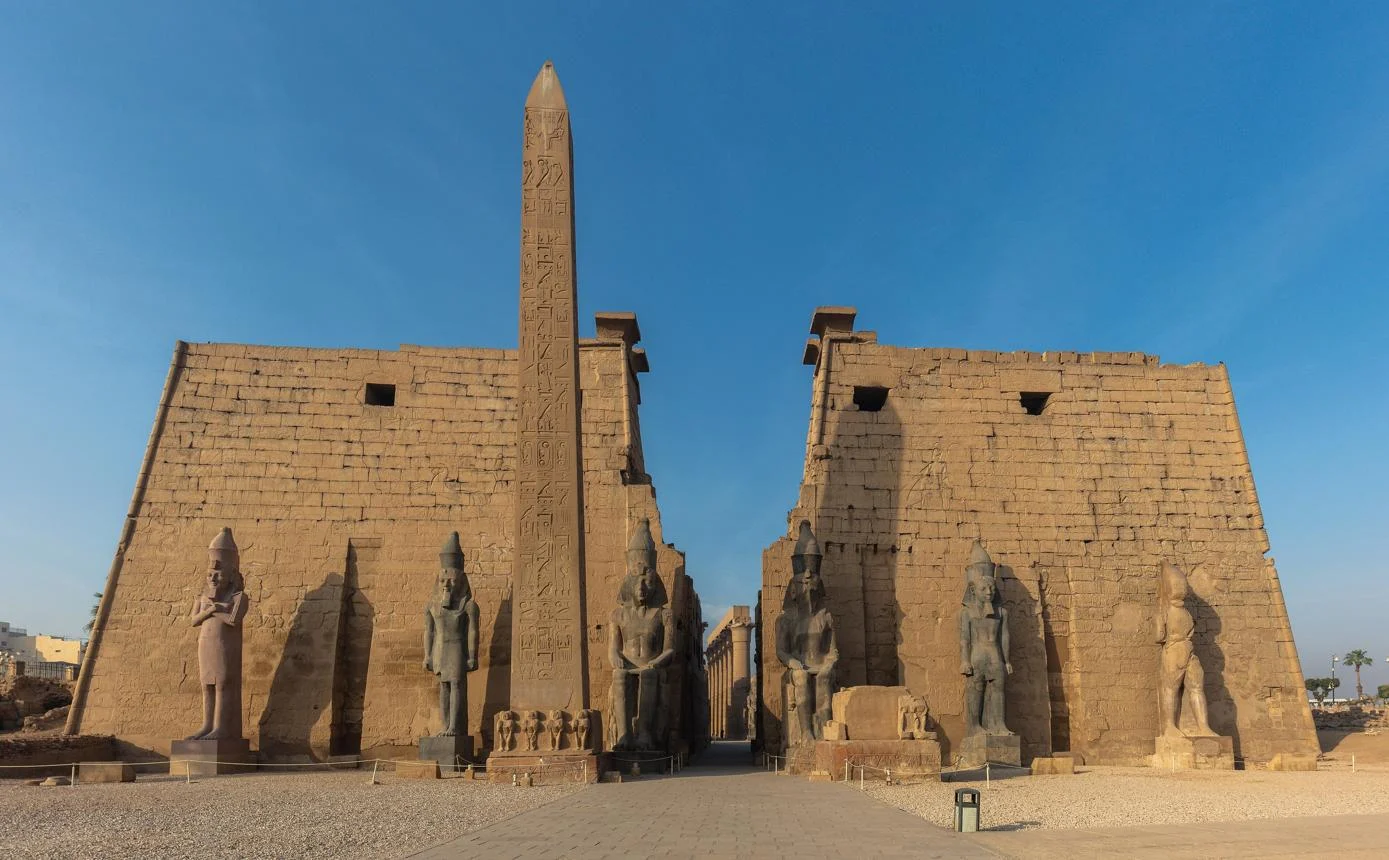
Ancient Egyptian obelisks are among the clearest examples of human-made stone monoliths. They are tall, narrow pillars with four sides and a pointed top.
Many were carved from granite and decorated with hieroglyphic inscriptions. These inscriptions often recorded the names and achievements of rulers or honored Egyptian gods.
The Luxor Obelisk is one famous example. Originally part of the Luxor Temple complex in Egypt, it was transported to Paris and installed at Place de la Concorde in 1836.
Callanish Standing Stones, Scotland
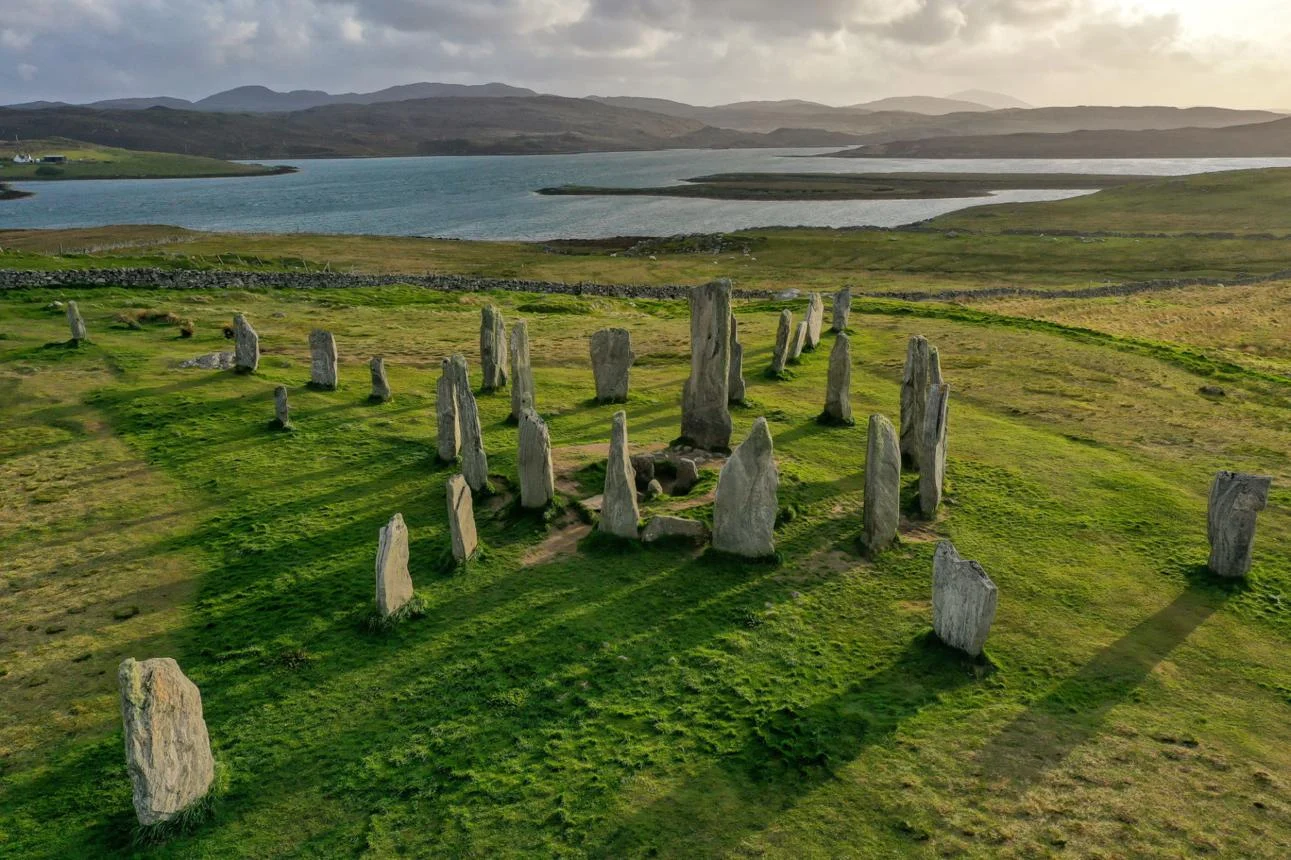
The Callanish Standing Stones form a prehistoric stone arrangement on the Isle of Lewis in the Outer Hebrides.
The complex includes a central group of standing stones with additional rows extending outward. Archaeologists associate the site with the Neolithic and Bronze Age periods.
Its exact purpose is still discussed. The arrangement may have had ceremonial or astronomical connections, but it is better to avoid treating one explanation as certain.
The Stone of Scone, Scotland
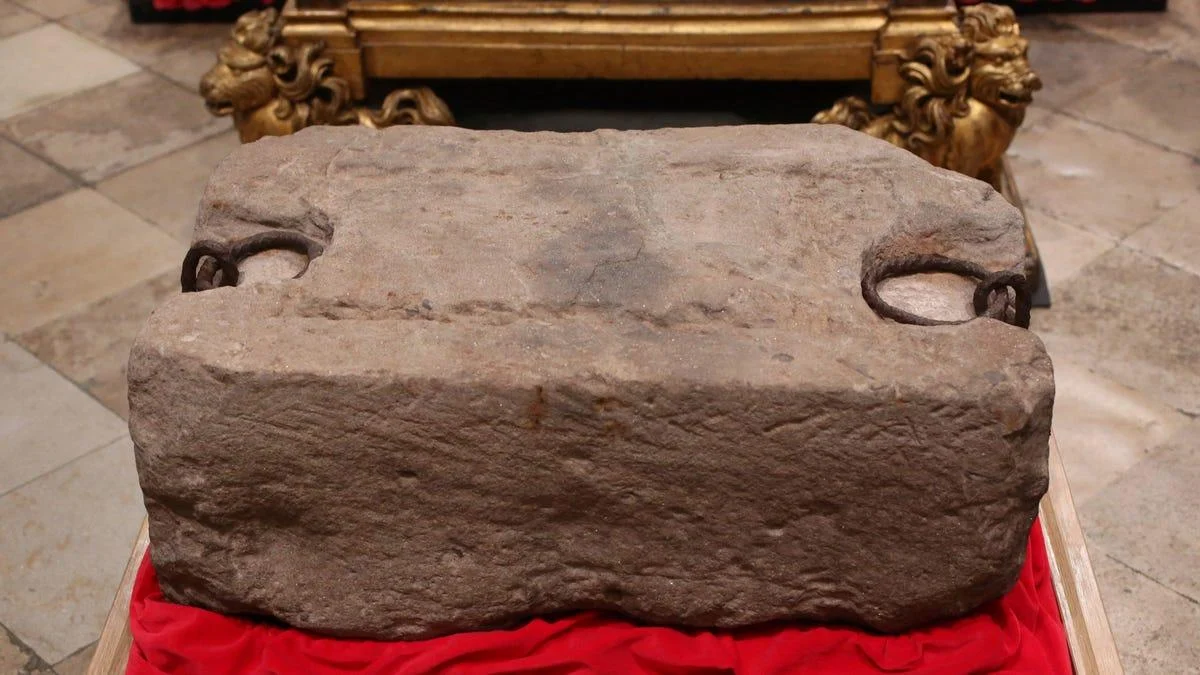
The Stone of Scone is a historic block of sandstone associated with the coronation of Scottish monarchs and later British monarchs.
It is also known as the Stone of Destiny. Unlike a towering rock formation, it is a relatively compact object, but it is still a useful example of a culturally significant single stone.
Its importance comes not from its size but from its long connection with royal ceremonies and political history.
Natural Monoliths vs. Human-Made Monoliths
Both natural and human-made examples share the idea of a large, unified mass, but their origins and purposes are different.
| Feature | Natural monoliths | Human-made monoliths |
| Origin | Geological processes | Human shaping or construction |
| Formation | Erosion, uplift, and exposure of resistant rock | Carving, moving, or positioning stone |
| Purpose | No human-designed purpose | Often ceremonial, religious, memorial, or architectural |
| Shape | Determined by geology and erosion | Often intentionally designed |
| Examples | Uluru and the Rock of Gibraltar | Egyptian obelisks and standing stones |
| Historical evidence | Geological layers and processes | Tool marks, inscriptions, and archaeological context |
Natural formations can take millions of years to develop. Human-made examples may also require enormous effort, but their shapes often reveal deliberate planning.
This distinction is useful when reading about archaeology. A large natural rock is not automatically an ancient monument, even if people later attach cultural meaning to it.
Why Monoliths Matter in History and Culture
Large stones have held meaning for human communities across many periods. Their size, durability, and visibility made them useful for purposes that went beyond ordinary construction.
They Served as Religious and Ceremonial Structures
Many ancient societies used large stones in places connected with worship, burial, or ceremonies.
Standing stones and stone circles may have marked important locations or provided settings for gatherings. In some cases, their arrangement may have reflected observations of the Sun, Moon, or seasonal changes.
The Callanish stones are one example of a prehistoric site that continues to attract archaeological interest. Researchers study its layout and surrounding evidence to better understand the people who built and used it.
They Recorded Political and Historical Messages
Stone monuments could communicate authority and preserve information.
Egyptian obelisks, for example, carried inscriptions associated with rulers and religious beliefs. Because stone survives for long periods, these monuments could remain visible long after the people who commissioned them had died.
A ruler who built a large monument was not simply creating a structure. The monument could also communicate power, religious devotion, and political identity.
They Became Symbols of Cultural Identity
Some stones have meaning that extends far beyond their physical appearance.
Uluru is a strong example. Its significance to the Anangu people is tied to living traditions, cultural knowledge, and connections to Country.
The Stone of Scone also carries historical meaning because of its association with royal ceremonies. In both cases, the stone itself is only one part of a much larger story.
They Help Archaeologists Understand Ancient Communities
Monoliths and standing stones provide physical evidence about earlier societies.
Archaeologists can study how stones were selected, transported, shaped, and arranged. These details can reveal information about available tools, building skills, social organization, and cultural practices.
Researchers may also examine the stones alongside nearby settlements, burial sites, artifacts, and environmental evidence. This broader approach helps researchers avoid drawing conclusions from the stones alone.
Monolith vs. Megalith vs. Monument
These three terms are related, but they describe different features. Understanding the distinction is useful when discussing ancient stone structures.
| Term | Definition | Main focus | Example |
| Monolith | A large, single mass of stone | One continuous piece | An Egyptian obelisk |
| Megalith | A large stone used in a structure or monument | Size and construction | A standing stone at Callanish |
| Monument | A structure or site created to remember, honor, or mark something | Purpose and significance | A memorial or ancient temple |
Monolith vs. Megalith
A monolith emphasizes the idea of one solid piece of stone. A megalith refers to a large stone used in a human-made structure or arrangement.
A standing stone may be both a monolith and a megalith if it consists of one large piece placed by people.
However, a megalithic structure can contain several stones rather than one continuous block. That is why the terms are not interchangeable in every situation.
Monolith vs. Monument
A monument is defined mainly by its purpose or cultural significance. It may commemorate a person, event, community, or historical period.
People can build monuments from stone, metal, concrete, or other materials. It does not need to be a single piece.
A monolith, on the other hand, describes the physical form or unified structure. One object can be both a monolith and a monument, but the words highlight different characteristics.
How the Word Monolith Is Used Today
The word has developed several figurative uses beyond geology and archaeology.
In Business and Organizations
People may describe a large company or institution as a monolith when it holds considerable power and operates under a centralized structure.
For example:
The company became a corporate monolith with offices and operations across several countries.
This does not mean someone built the organization out of stone. It suggests that the company is large, influential, and perhaps difficult to challenge.
The term can carry a critical tone when people believe an organization is too powerful or resistant to change.
In Technology
Technology writers sometimes use the word when discussing software architecture.
A monolithic application combines all its components into one integrated program instead of dividing them into smaller, independently deployable services.
For example, an application may handle user accounts, payments, and data processing within one connected codebase. This can make development straightforward in some situations, but large changes may become harder as the application grows.
Here, the term refers to how developers organize software, not how large it is.
In Literature and Film
Monoliths sometimes appear as symbols of mystery, power, permanence, or something beyond ordinary human understanding.
One famous example is the mysterious black monolith in the film 2001: A Space Odyssey, directed by Stanley Kubrick and released in 1968. In the story, the object appears at important moments in human development and raises questions about intelligence, evolution, and the unknown.
This cultural use has helped make the word familiar even to people who have never studied geology or archaeology.
FAQs
Is every large rock a monolith?
No. A large rock may consist of several connected materials or layers. The term generally emphasizes a single, unified mass rather than size alone.
Are monoliths always made of stone?
Traditionally, the word refers to stone. In modern architecture and figurative language, it can also describe structures or systems that appear to form one solid unit.
What is the largest monolith in the world?
No universally agreed answer exists because the term refers to different geological formations, and each ranking depends on how researchers define and measure a monolith.
Are monoliths natural or Artificial?
They can be either. Some form through natural geological processes, while people carve, move, or erect others.
What does a black monolith symbolize?
Its meaning depends on the story or context. In 2001: A Space Odyssey, the black monolith represents mystery, intelligence, and shifts in human development.
What does monolithic mean in technology?
It describes software that combines all its components into one integrated application instead of separating them into independently operating and deployable services.
Conclusion
A monolith is more than a large stone. It can be a natural geological formation, an ancient carved structure, a cultural symbol, or a figurative description of a powerful organization. Its central idea remains the same: something that appears solid, unified, and substantial.
Understanding the difference between a monolith, a megalith, and a monument makes the term easier to recognize in discussions about history, geology, architecture, and modern technology.










1 thought on “Monolith Meaning: Definition, History, Examples And Common Uses In 2026.”