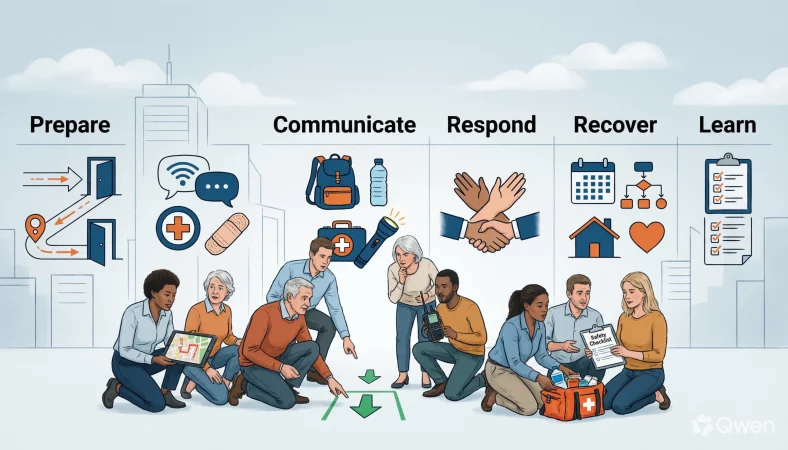
Disaster response training teaches people how to prepare for, respond to, and recover from emergencies such as fires, floods, severe weather, earthquakes, hazardous incidents, and other disasters. It builds practical skills, teamwork, communication, and confidence before a crisis happens.
Top alternatives: emergency response training, disaster preparedness training, emergency management training, crisis response training, disaster readiness training
A disaster can turn an ordinary Tuesday into a full group project nobody asked for. That is exactly why disaster response training matters in workplaces, schools, communities, healthcare settings, and emergency organizations.
Good training helps people understand what to do, who to contact, where to go, and how to work together when normal routines suddenly disappear. Whether you are discussing emergency planning in a meeting, answering a training question, preparing employees, or sharing safety tips with friends, the right words can make a serious topic easier to understand.
A clear response can also encourage people to take preparedness seriously without making the conversation feel intimidating. From simple training phrases to professional explanations, this guide gives you practical ways to talk about disaster readiness while keeping the language natural, confident, and easy to remember.
Funny Disaster Response Training Phrases
“Because ‘winging it’ is not an emergency plan.”
Use this when adding humor to a workplace preparedness presentation.
Meaning: Preparation is better than improvising during a disaster.
“Prepare now, panic less later.”
Use this when encouraging people to attend emergency training.
Meaning: Training can help people feel more prepared.
“Disaster training: the meeting you actually want to be ready for.”
Use this when making a safety presentation more memorable.
Meaning: Preparedness deserves attention before an emergency occurs.
“Hope is lovely, but a plan is lovelier.”
Use this when discussing emergency planning.
Meaning: Positive thinking works best alongside practical preparation.
“Know the plan before your phone becomes everyone’s favourite problem.”
Use this when discussing emergency communication.
Meaning: People should understand procedures before communication becomes difficult.
“Your future self would like you to attend the drill.”
Use this when encouraging employees who skip training.
Meaning: Training benefits people when they actually need it.
“Emergency exits are not decorative.”
Use this when reminding people to learn evacuation routes.
Meaning: Everyone should know where safe exits are located.
“Train like the Wi-Fi just disappeared.”
Use this during a lighthearted preparedness session.
Meaning: People should be ready to function when normal systems fail.
“No superhero cape required, just good preparation.”
Use this when explaining ordinary emergency responsibilities.
Meaning: Effective response depends on preparation rather than heroics.
“A checklist beats a guess every time.”
Use this when discussing emergency procedures.
Meaning: Clear instructions are useful when people are under pressure.
“Practice now, thank yourself later.”
Use this when promoting emergency drills.
Meaning: Training can make future responses more organized.
“Disasters do not RSVP, so prepare anyway.”
Use this as a social media preparedness caption.
Meaning: Emergencies can happen unexpectedly, making preparation valuable.
Professional Disaster Response Training Responses
“Training builds organizational readiness.”
Use this in a workplace safety discussion.
Meaning: Prepared employees can contribute to a more coordinated response.
“Preparedness begins before the emergency.”
Use this in a formal training presentation.
Meaning: Effective disaster response requires advance planning.
“Clear roles support effective response.”
Use this when discussing emergency management responsibilities.
Meaning: People need to understand who does what during a crisis.
“Communication is central to emergency coordination.”
Use this in a professional disaster planning meeting.
Meaning: Reliable information sharing supports coordinated action.
“Regular exercises help identify gaps.”
Use this when explaining why drills matter.
Meaning: Practice can reveal weaknesses in procedures.
“Training should reflect realistic risks.”
Use this when designing an organizational program.
Meaning: Training should match the hazards people may actually face.
“Preparedness requires continuous improvement.”
Use this in a formal emergency management report.
Meaning: Plans should evolve based on experience and changing risks.
“Every organization needs clear emergency procedures.”
Use this when discussing workplace readiness.
Meaning: Employees should know what actions are expected.
“Emergency plans should be reviewed regularly.”
Use this during a safety policy review.
Meaning: Outdated plans may not reflect current conditions.
“Training should include communication procedures.”
Use this when developing a disaster response course.
Meaning: People need to know how information will be shared during an emergency.
“Coordination improves response efficiency.”
Use this in a professional emergency management discussion.
Meaning: Teams work more effectively when their responsibilities are connected.
“Preparedness is an ongoing organizational responsibility.”
Use this when presenting a long-term safety strategy.
Meaning: Disaster readiness requires continued attention rather than a one-time effort.
Beginner-Friendly Disaster Response Training Ideas
“Start with the basics.”
Use this when introducing disaster preparedness to beginners.
Meaning: New learners benefit from simple foundational concepts.
“Learn your emergency exits.”
Use this when teaching workplace or school preparedness.
Meaning: Exit awareness is a basic safety skill.
“Know who to contact.”
Use this when explaining emergency communication.
Meaning: People should understand who receives emergency reports.
“Keep important numbers handy.”
Use this when creating a beginner emergency checklist.
Meaning: Contact information should remain accessible.
“Learn where emergency supplies are stored.”
Use this during an introductory safety session.
Meaning: Supplies are useful only when people can locate them.
“Understand your emergency plan.”
Use this when welcoming new employees.
Meaning: Everyone should know the procedures relevant to their location.
“Ask questions during training.”
Use this when encouraging beginners to participate.
Meaning: Questions can uncover confusing or unclear procedures.
“Take drills seriously.”
Use this when explaining the purpose of practice exercises.
Meaning: Drills provide opportunities to build familiarity.
“Stay calm and follow instructions.”
Use this as a simple emergency preparedness reminder.
Meaning: Calm, organized action can reduce confusion.
“Keep your emergency contacts updated.”
Use this when discussing personal preparedness.
Meaning: Old information can cause avoidable communication problems.
“Learn one useful skill at a time.”
Use this when designing beginner training.
Meaning: Breaking training into manageable topics makes learning easier.
“Preparedness gets easier once it becomes a habit.”
Use this when motivating new learners.
Meaning: Regular preparation can become part of everyday safety culture.
Creative Disaster Response Training Ideas
“Turn the emergency plan into a story people remember.”
Use this when creating an engaging training presentation.
Meaning: Storytelling can make complex information easier to recall.
“Make drills feel practical, not performative.”
Use this when planning an emergency exercise.
Meaning: Exercises should test useful skills rather than simply check a box.
“Use scenario cards for quick practice.”
Use this when creating interactive training activities.
Meaning: Short scenarios can help participants think through decisions.
“Build a disaster response escape-room challenge.”
Use this when designing an educational preparedness activity.
Meaning: Interactive exercises can make training more engaging.
“Turn emergency contacts into a quick-reference card.”
Use this when developing training materials.
Meaning: Important information becomes easier to access.
“Create a five-minute preparedness challenge.”
Use this when promoting workplace safety participation.
Meaning: Short activities can make preparedness feel manageable.
“Use maps to make evacuation planning visual.”
Use this when teaching emergency routes.
Meaning: Visual information can make locations easier to understand.
“Make every drill answer one big question.”
Use this when organizing an exercise.
Meaning: Focused objectives make training easier to evaluate.
“Create a preparedness bingo card.”
Use this for a lighthearted community safety activity.
Meaning: Gamification can encourage participation.
“Build a team emergency checklist.”
Use this when training groups.
Meaning: Shared checklists encourage coordinated preparation.
“Use realistic workplace scenarios.”
Use this when developing professional exercises.
Meaning: Familiar situations can make training more relevant.
“End every exercise with one lesson learned.”
Use this when wrapping up a drill.
Meaning: Reflection turns practice into improvement.
Emergency Preparedness Training Phrases
“Prepare, respond, recover.”
Use this as a simple training framework.
Meaning: Disaster management covers more than the immediate emergency.
“Know the risk before choosing the response.”
Use this during preparedness education.
Meaning: Different hazards require different protective actions.
“Plan for communication failures.”
Use this when discussing emergency planning.
Meaning: Backup communication methods may be necessary.
“Know where to go.”
Use this when teaching evacuation procedures.
Meaning: People need clear destinations during an emergency.
“Know what to take.”
Use this when discussing emergency supply planning.
Meaning: People should understand which essentials matter.
“Know who leads.”
Use this when explaining emergency responsibilities.
Meaning: Clear leadership supports coordinated action.
“Practice before pressure arrives.”
Use this during emergency preparedness campaigns.
Meaning: Training should happen before a real crisis.
“Review what worked and what did not.”
Use this after a drill.
Meaning: Honest evaluation improves future preparedness.
“Keep emergency information accessible.”
Use this when organizing workplace safety resources.
Meaning: Critical instructions should be easy to find.
“Make preparedness everyone’s responsibility.”
Use this when encouraging team participation.
Meaning: Disaster readiness works better when people participate together.
“Update the plan when circumstances change.”
Use this when reviewing emergency procedures.
Meaning: Preparedness should reflect current risks and conditions.
“Preparedness is prevention in practice.”
Use this as a training slogan.
Meaning: Planning ahead can reduce confusion and improve readiness.
Community Disaster Response Training Responses
“Prepared communities recover stronger.”
Use this during a community preparedness campaign.
Meaning: Collective readiness can support recovery after disasters.
“Know your neighbourhood risks.”
Use this when discussing local preparedness.
Meaning: Different communities face different hazards.
“Check on vulnerable neighbours when it is safe.”
Use this during community preparedness planning.
Meaning: Community support can matter during emergencies.
“Know your local emergency alerts.”
Use this when teaching residents about warnings.
Meaning: People should know where reliable emergency information comes from.
“Create a household communication plan.”
Use this when organizing a community workshop.
Meaning: Families benefit from knowing how they will communicate.
“Know your community meeting points.”
Use this when discussing evacuation planning.
Meaning: Predetermined locations can simplify coordination.
“Volunteer before the crisis.”
Use this when encouraging community participation.
Meaning: Prepared volunteer networks can support organized response.
“Share reliable information, not rumours.”
Use this when discussing social media during disasters.
Meaning: Accurate information helps communities make better decisions.
“Practice family preparedness together.”
Use this during a community training event.
Meaning: Shared practice helps households understand responsibilities.
“Keep emergency supplies ready.”
Use this as a community preparedness reminder.
Meaning: Basic supplies can help households manage disruptions.
“Learn local evacuation procedures.”
Use this when teaching disaster readiness.
Meaning: Residents should understand official evacuation instructions.
“Recovery starts with preparation.”
Use this during a community resilience campaign.
Meaning: Early preparation can support smoother recovery.
Workplace Disaster Response Training Ideas
“Train every employee, not just the safety team.”
Use this when developing workplace preparedness.
Meaning: Everyone may need to understand basic emergency procedures.
“Make emergency information easy to find.”
Use this when reviewing workplace safety communication.
Meaning: Employees should not have to hunt for critical instructions.
“Practice evacuation routes.”
Use this when organizing a workplace drill.
Meaning: Familiarity can improve evacuation readiness.
“Include remote workers where possible.”
Use this when creating broader organizational preparedness.
Meaning: Emergency planning can also address people working away from the main site.
“Prepare for power outages.”
Use this when reviewing business continuity planning.
Meaning: Power loss can affect communication and operations.
“Plan for severe weather.”
Use this when creating a workplace disaster program.
Meaning: Weather risks should be addressed before they occur.
“Know the emergency assembly area.”
Use this during employee orientation.
Meaning: Workers should know where to gather after evacuation.
“Keep visitor procedures clear.”
Use this when planning workplace emergencies.
Meaning: Visitors may need additional guidance during a crisis.
“Include accessibility in emergency planning.”
Use this when reviewing workplace procedures.
Meaning: Plans should consider different employee needs.
“Review lessons after every drill.”
Use this when evaluating preparedness exercises.
Meaning: Feedback can improve future training.
“Update emergency contacts.”
Use this when maintaining safety documentation.
Meaning: Current contact details support faster communication.
“Make preparedness part of workplace culture.”
Use this when launching an ongoing safety initiative.
Meaning: Regular attention helps preparedness become normal rather than occasional.
Disaster Response Training For Managers
“Leadership starts before the emergency.”
Use this during a management preparedness workshop.
Meaning: Managers should establish expectations before a crisis.
“Give people clear responsibilities.”
Use this when assigning emergency roles.
Meaning: Ambiguous responsibilities can create confusion.
“Communicate the plan clearly.”
Use this when presenting emergency procedures to employees.
Meaning: People need understandable instructions.
“Do not assume everyone knows the procedure.”
Use this when reviewing workplace preparedness.
Meaning: Managers need to provide explicit training.
“Test the plan under realistic conditions.”
Use this when planning an exercise.
Meaning: Practical testing can expose weaknesses.
“Listen to employee feedback.”
Use this after a drill.
Meaning: Employees can identify problems management may not see.
“Document what needs improvement.”
Use this when evaluating a response exercise.
Meaning: Written lessons help guide future changes.
“Keep emergency responsibilities current.”
Use this when staffing changes occur.
Meaning: Roles should match the current organization.
“Coordinate with relevant emergency professionals.”
Use this when building a comprehensive program.
Meaning: External expertise can strengthen organizational planning.
“Budget for preparedness, not just recovery.”
Use this during organizational planning.
Meaning: Investing in readiness can support resilience.
“Make training accessible to everyone.”
Use this when scheduling emergency courses.
Meaning: Participation should not depend on one particular group.
“Review preparedness like any other business process.”
Use this during management planning.
Meaning: Emergency readiness deserves regular evaluation.
First Aid And Emergency Skills Training Responses
“Learn basic first aid before you need it.”
Use this when promoting workplace first aid training.
Meaning: Skills are most valuable when learned in advance.
“Know where the first aid kit is.”
Use this during employee orientation.
Meaning: Employees should know where basic supplies are located.
“Learn when professional help is needed.”
Use this when discussing first aid responsibilities.
Meaning: Serious situations require appropriate emergency medical support.
“Practice communication during first aid scenarios.”
Use this when designing emergency exercises.
Meaning: Reporting and coordination are important alongside practical care.
“Keep first aid training current.”
Use this when discussing employee certifications.
Meaning: Skills and knowledge should be refreshed as appropriate.
“Follow your training.”
Use this during an emergency preparedness course.
Meaning: People should rely on appropriate instruction rather than guesswork.
“Know your workplace first aid procedures.”
Use this when onboarding new employees.
Meaning: Different workplaces can have different arrangements.
“Use protective equipment appropriately.”
Use this during basic safety training.
Meaning: Personal protection is part of responsible first aid.
“Report injuries promptly.”
Use this in workplace safety training.
Meaning: Proper reporting supports medical care and organizational safety processes.
“Do not exceed your level of training.”
Use this when teaching emergency response boundaries.
Meaning: Helpers should avoid unsafe interventions beyond their skills.
“Practice emergency calls.”
Use this during communication exercises.
Meaning: Rehearsal can make important information easier to provide under pressure.
“Combine skills with a clear emergency plan.”
Use this when designing workplace preparedness.
Meaning: Individual skills work best within an organized response system.
Emergency Communication Training Ideas
“Clear information saves time.”
Use this when teaching emergency communication.
Meaning: Concise information can support faster coordination.
“Know what information to report.”
Use this during emergency call training.
Meaning: People should understand what details responders need.
“Use official communication channels.”
Use this when discussing workplace emergency alerts.
Meaning: Trusted channels reduce confusion.
“Keep messages short and factual.”
Use this when teaching crisis communication.
Meaning: Simple information is easier to process during stress.
“Avoid spreading unverified updates.”
Use this during disaster social media training.
Meaning: Rumours can make emergency situations more confusing.
“Confirm information before sharing it.”
Use this when discussing crisis communications.
Meaning: Verification helps reduce misinformation.
“Know the backup communication method.”
Use this when creating an emergency plan.
Meaning: Communication may need alternatives if primary systems fail.
“Keep emergency contact lists current.”
Use this during preparedness reviews.
Meaning: Accurate contact information supports coordination.
“Communicate changes quickly.”
Use this during workplace emergency exercises.
Meaning: Updated information can affect response decisions.
“Do not overwhelm people with unnecessary details.”
Use this when developing emergency messaging.
Meaning: Important instructions can get lost in excessive information.
“Make emergency instructions easy to understand.”
Use this when creating training materials.
Meaning: Plain language supports quick comprehension.
“Reliable communication builds confidence.”
Use this when discussing emergency leadership.
Meaning: People are more likely to follow clear and trustworthy information.
Scenario-Based Disaster Response Training Ideas
“What would you do if the power failed?”
Use this as a discussion starter during preparedness training.
Meaning: Scenario questions encourage practical thinking.
“What if the main exit were unavailable?”
Use this when reviewing evacuation planning.
Meaning: People should understand alternative procedures.
“What happens if communication systems go down?”
Use this during emergency planning exercises.
Meaning: Teams need to consider communication backups.
“Who takes charge first?”
Use this when testing emergency roles.
Meaning: Participants should understand leadership responsibilities.
“Where would everyone meet?”
Use this during evacuation planning.
Meaning: Assembly arrangements should be clear.
“How would you report the emergency?”
Use this during communication training.
Meaning: Reporting procedures should be familiar.
“What supplies would you need?”
Use this when evaluating emergency kits.
Meaning: Scenario planning can reveal missing resources.
“How would you support visitors?”
Use this during workplace emergency exercises.
Meaning: Emergency plans should account for people unfamiliar with the site.
“What changes after the first hour?”
Use this during extended emergency planning.
Meaning: Disaster response may require changing priorities over time.
“What did the exercise reveal?”
Use this after completing a scenario.
Meaning: Reflection helps turn practice into improvement.
“What would make the response easier?”
Use this during team debriefing.
Meaning: Participants can identify practical improvements.
“What should we change before the next drill?”
Use this when closing a training exercise.
Meaning: Every exercise should create an opportunity to improve.
Advanced Disaster Response Training Strategies
“Train across multiple emergency scenarios.”
Use this when designing advanced organizational exercises.
Meaning: Different hazards can require different response strategies.
“Test communication redundancy.”
Use this when evaluating emergency communications.
Meaning: Organizations should understand what happens if primary systems fail.
“Measure response objectives.”
Use this when reviewing an exercise.
Meaning: Clear objectives make training results easier to evaluate.
“Use after-action reviews.”
Use this after a major drill or exercise.
Meaning: Structured reviews help identify lessons and improvements.
“Coordinate departments during exercises.”
Use this when conducting organization-wide training.
Meaning: Real emergencies rarely stay inside one department.
“Include external partners where appropriate.”
Use this when planning advanced exercises.
Meaning: Coordination can reveal gaps between organizations.
“Test accessibility procedures.”
Use this when evaluating emergency plans.
Meaning: Plans should work for people with different needs.
“Evaluate decision-making under pressure.”
Use this during leadership exercises.
Meaning: Disaster response requires more than memorizing procedures.
“Review resource availability.”
Use this when assessing emergency readiness.
Meaning: Teams need to understand what resources are actually available.
“Update training based on lessons learned.”
Use this after an exercise.
Meaning: Training should evolve with experience.
“Document measurable improvements.”
Use this when presenting preparedness results.
Meaning: Evidence can show whether changes are making a difference.
“Build resilience into long-term planning.”
Use this during advanced emergency management discussions.
Meaning: Preparedness should consider response, recovery, and future risks.
Calm And Confident Disaster Response Training Phrases
“We have a plan, so let’s follow it.”
Use this when reassuring a team during an exercise.
Meaning: Confidence comes from relying on established procedures.
“Stay focused on the next safe step.”
Use this during a preparedness discussion.
Meaning: Breaking a crisis into manageable actions can reduce overwhelm.
“Clear heads make better decisions.”
Use this when encouraging calm behavior.
Meaning: Composure can support effective decision-making.
“Training gives preparation a purpose.”
Use this during a safety presentation.
Meaning: Practice turns written plans into practical familiarity.
“We do not need perfect, we need prepared.”
Use this when motivating employees before a drill.
Meaning: Practical readiness matters more than flawless performance.
“Know the plan and trust the process.”
Use this during an emergency exercise.
Meaning: Familiar procedures can provide structure under pressure.
“Preparedness builds confidence.”
Use this as a workplace safety slogan.
Meaning: Knowing what to do can reduce uncertainty.
“Practice turns confusion into familiarity.”
Use this during a training presentation.
Meaning: Repeated exercises can make procedures easier to remember.
“One clear action at a time.”
Use this when teaching emergency decision-making.
Meaning: Focused actions can make complex situations easier to manage.
“Stay informed, stay ready.”
Use this as a disaster preparedness caption.
Meaning: Awareness and preparation work together.
“Calm does not mean passive.”
Use this when discussing emergency behavior.
Meaning: Staying composed can coexist with taking appropriate action.
“Confidence comes from preparation.”
Use this as a closing line for training.
Meaning: Readiness is built through planning and practice.
Disaster Recovery And Resilience Training Responses
“Response is only the beginning.”
Use this when introducing disaster recovery training.
Meaning: Recovery continues after the immediate emergency ends.
“Plan for recovery before disaster strikes.”
Use this in business continuity discussions.
Meaning: Early planning can support faster restoration.
“Resilience grows through preparation.”
Use this during community resilience training.
Meaning: Prepared systems can better handle disruption.
“Document lessons from every incident.”
Use this after a real emergency or exercise.
Meaning: Experience can improve future preparedness.
“Support people as well as systems.”
Use this when discussing recovery planning.
Meaning: Human needs are an important part of disaster recovery.
“Expect recovery to take time.”
Use this during resilience education.
Meaning: Returning to normal may require sustained effort.
“Review what changed after the disaster.”
Use this during recovery planning.
Meaning: Understanding impacts can guide future decisions.
“Build back with lessons learned.”
Use this when discussing long-term resilience.
Meaning: Recovery creates an opportunity to strengthen future preparedness.
“Keep communication active during recovery.”
Use this when discussing organizational resilience.
Meaning: People need reliable updates beyond the immediate crisis.
“Protect critical information and resources.”
Use this during business continuity training.
Meaning: Essential resources can support recovery.
“Turn lessons into new procedures.”
Use this after a disaster exercise.
Meaning: Learning becomes valuable when it changes future practice.
“Resilience is preparation plus adaptation.”
Use this as a training takeaway.
Meaning: Strong recovery requires both readiness and the ability to adjust.
Smart Disaster Response Training Best Practices
“Train regularly, not once.”
Use this when discussing long-term preparedness.
Meaning: Repetition keeps emergency knowledge familiar.
“Keep training relevant.”
Use this when reviewing a preparedness program.
Meaning: Content should reflect actual risks and responsibilities.
“Practice communication.”
Use this when designing an emergency exercise.
Meaning: Communication is a skill that benefits from rehearsal.
“Review emergency equipment.”
Use this during preparedness checks.
Meaning: Supplies should remain available and appropriate.
“Update contact information.”
Use this during annual emergency planning.
Meaning: Current information supports reliable communication.
“Include realistic scenarios.”
Use this when creating drills.
Meaning: Practical scenarios can reveal real weaknesses.
“Make training accessible.”
Use this when organizing staff education.
Meaning: Everyone who may need to respond should have an opportunity to learn.
“Measure what the exercise teaches.”
Use this during a training evaluation.
Meaning: Exercises should produce useful lessons.
“Invite honest feedback.”
Use this after a drill.
Meaning: Participants can identify issues that formal checklists miss.
“Fix small gaps before they become big problems.”
Use this during preparedness reviews.
Meaning: Early improvements can strengthen overall readiness.
“Keep plans simple enough to remember.”
Use this when writing emergency procedures.
Meaning: Clear plans are easier to follow under stress.
“Make preparedness part of everyday culture.”
Use this when creating an organizational safety strategy.
Meaning: Regular attention helps emergency readiness become routine.
FAQs
What is disaster response training?
Disaster response training prepares people to respond appropriately to emergencies and disasters. It can cover communication, evacuation, emergency roles, first aid, preparedness, coordination, recovery, and other skills relevant to specific risks.
Why is disaster response training important?
It helps people understand their responsibilities before an emergency happens. Training can improve familiarity with procedures, communication, teamwork, and decision-making.
Who should take disaster response training?
Employees, managers, emergency teams, volunteers, educators, healthcare workers, community members, and others may benefit depending on their roles and local risks.
Is disaster response training only for emergency professionals?
No. Basic preparedness knowledge can be useful for ordinary employees, families, schools, and community members. Specialized roles require more advanced training appropriate to their responsibilities.
Can disaster response training be used professionally?
Absolutely. It can be relevant to workplace safety programs, emergency management, business continuity, community preparedness, healthcare preparedness, and organizational resilience.
What should disaster response training include?
Content depends on the hazards and setting, but it may include emergency planning, communication, evacuation, shelter procedures, first aid, resource management, drills, recovery, and coordination.
Is disaster response training useful for workplaces?
Yes. Workplace training can help employees understand emergency procedures, reporting methods, evacuation routes, responsibilities, communication systems, and other site-specific requirements.
How often should disaster response training happen?
There is no universal schedule for every organization. Training frequency should reflect the workplace, applicable requirements, identified risks, employee responsibilities, and lessons from exercises or incidents.
What if I do not think disaster training is necessary?
A simple response is, “Hopefully we never need it, but I would rather know the plan before we need it.” Preparedness is mainly about reducing uncertainty before an emergency occurs.
Can disaster response training be fun?
Definitely. Scenario games, quizzes, interactive exercises, maps, team challenges, and short simulations can make serious safety information more memorable without making light of real disasters.
Is humor appropriate during disaster response training?
Light humor can help with engagement when used carefully. It should never minimize injuries, loss, victims, or the seriousness of an actual disaster.
What is the difference between disaster preparedness and disaster response?
Preparedness focuses heavily on getting ready before an emergency, while response involves actions taken during and immediately after the event. Recovery and mitigation are additional parts of broader emergency management.
How can beginners start disaster response training?
Start with basic emergency procedures, learn local risks, understand evacuation and communication plans, identify emergency supplies, and take appropriate first aid or preparedness courses.
How can managers improve disaster response training?
Managers can review current risks, clarify responsibilities, involve employees, conduct realistic exercises, collect feedback, coordinate with relevant professionals, and update plans based on lessons learned.
What makes disaster response training effective?
Effective training is relevant, understandable, practical, inclusive, regularly reviewed, and connected to a real emergency plan. Practice and feedback are especially valuable because they show whether people can apply what they learned.
Conclusion
Disaster response training is not about predicting every possible disaster. It is about giving people enough preparation to respond with clearer thinking when ordinary routines suddenly disappear. The best training feels practical, memorable, and connected to real situations. Whether you are preparing employees, teaching students, organizing community activities, or simply building personal readiness, the right words can make emergency planning easier to understand and easier to remember.
Try different training phrases, scenarios, checklists, and exercises until preparedness becomes second nature. Share these ideas with your team, save the ones that fit your situation, and keep building a stronger culture of readiness. A little preparation today can make a meaningful difference when tomorrow does not go according to plan.