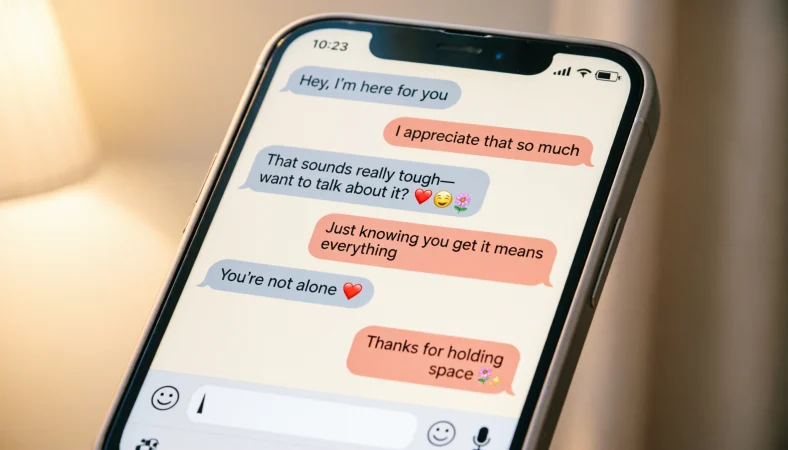
Sometimes you don’t fully feel it, but you still need to respond kindly. The best faking empathy responses help you sound supportive, polite, and emotionally aware without overdoing it or sounding fake.
Top quick replies:
That sounds really tough, I hear you, I’m here if you need anything, I can imagine that’s frustrating, Hope things get better soon
We’ve all been there. A friend vents in your DMs, a coworker shares bad news, or someone drops a long emotional message… and you just don’t feel as deeply as they do. Awkward, right?
That’s where faking empathy comes in. Not in a manipulative way, but in a socially smart, emotionally respectful way. You don’t always have to feel everything to respond with kindness. The right words can keep relationships smooth, avoid awkward silence, and show basic human decency.
Knowing how to respond matters more than you think. A cold reply can make things worse, while a thoughtful one keeps your vibe positive and mature. So if you’ve ever stared at your screen thinking “what do I even say,” this list has your back.
Polite Responses
That sounds really difficult.
Example: When someone shares a stressful situation.
Meaning: A respectful acknowledgment of their struggle.
I’m sorry you’re dealing with that.
Example: Responding to bad news in a text.
Meaning: Shows sympathy without overcommitting.
I hope things get better soon.
Example: Casual supportive reply.
Meaning: Offers gentle positivity.
That must be frustrating.
Example: When someone vents about work.
Meaning: Validates their feelings.
I appreciate you sharing that.
Example: When someone opens up.
Meaning: Shows respect and acknowledgment.
I hear you.
Example: Short response in chat.
Meaning: Confirms you’re listening.
That’s a lot to handle.
Example: When someone lists multiple issues.
Meaning: Recognizes emotional weight.
I can understand why you’d feel that way.
Example: In a calm discussion.
Meaning: Validates emotions politely.
I’m sorry that happened to you.
Example: Reaction to a negative story.
Meaning: Expresses sympathy.
That sounds exhausting.
Example: When someone describes burnout.
Meaning: Acknowledges effort and fatigue.
I hope you’re okay.
Example: Quick caring text.
Meaning: Shows concern.
That’s really unfortunate.
Example: Formal or neutral tone.
Meaning: Keeps it respectful.
I’m glad you told me.
Example: When someone confides.
Meaning: Encourages openness.
You didn’t deserve that.
Example: When someone is treated unfairly.
Meaning: Offers validation.
I’m here to listen.
Example: Keeping conversation open.
Meaning: Shows availability.
Professional Responses
Thank you for sharing this with me.
Example: Workplace conversation.
Meaning: Keeps tone respectful.
I understand this is challenging.
Example: Responding to a colleague.
Meaning: Acknowledges difficulty.
I appreciate your openness.
Example: Formal setting.
Meaning: Encourages communication.
That sounds like a complex situation.
Example: Work-related issues.
Meaning: Recognizes nuance.
I hope we can find a solution.
Example: Team discussion.
Meaning: Focuses on resolution.
I can see why that’s concerning.
Example: Professional reply.
Meaning: Validates concern.
Let me know how I can support you.
Example: Manager tone.
Meaning: Offers help.
I’m sorry you’re experiencing this.
Example: HR or support role.
Meaning: Shows empathy formally.
That must be difficult to manage.
Example: Work stress scenario.
Meaning: Acknowledges pressure.
I value your perspective.
Example: Meeting discussion.
Meaning: Shows respect.
I appreciate you bringing this up.
Example: Workplace feedback.
Meaning: Encourages honesty.
Let’s work through this together.
Example: Team collaboration.
Meaning: Offers support.
I understand your concerns.
Example: Formal communication.
Meaning: Validates feelings.
Thank you for your honesty.
Example: Professional tone.
Meaning: Builds trust.
I’m here to help where I can.
Example: Supportive role.
Meaning: Offers assistance.
Funny Responses
That sounds like a whole movie plot.
Example: When someone shares drama.
Meaning: Lightens the mood.
Not life testing you again.
Example: Casual chat.
Meaning: Adds humor to empathy.
You deserve a nap after that.
Example: When someone vents.
Meaning: Playfully supportive.
Wow, your week said chaos mode.
Example: When things go wrong.
Meaning: Humor plus acknowledgment.
That’s a lot for one human.
Example: Overwhelming story.
Meaning: Makes it relatable.
You need a vacation ASAP.
Example: Stressful situation.
Meaning: Suggests relief humorously.
Life really said plot twist.
Example: Unexpected events.
Meaning: Adds humor.
That’s wild, not gonna lie.
Example: Casual reaction.
Meaning: Keeps it light.
You’re handling it better than I would.
Example: Supportive humor.
Meaning: Gives credit.
That sounds illegal honestly.
Example: Dramatic complaint.
Meaning: Funny exaggeration.
I’d be crying too.
Example: Shared humor.
Meaning: Relates playfully.
That’s a lot of main character energy.
Example: Big life moment.
Meaning: Trendy humor.
You need snacks after that.
Example: Light comfort.
Meaning: Casual care.
I’d log off for the day.
Example: Online drama.
Meaning: Funny advice.
That’s giving stress.
Example: Modern slang.
Meaning: Acknowledges mood.
Chill And Casual Responses
That sucks.
Example: Simple text reply.
Meaning: Casual acknowledgment.
I feel that.
Example: Relatable moment.
Meaning: Shows understanding.
That’s rough.
Example: Short reply.
Meaning: Acknowledges difficulty.
Damn, okay.
Example: Reaction message.
Meaning: Casual empathy.
I hear you.
Example: Minimal response.
Meaning: Confirms listening.
That’s tough.
Example: Quick reply.
Meaning: Light empathy.
I get it.
Example: Casual convo.
Meaning: Shows understanding.
Yeah, that’s not easy.
Example: Supportive tone.
Meaning: Acknowledges struggle.
I see why you’re upset.
Example: Calm reply.
Meaning: Validates feelings.
That’s not great.
Example: Neutral tone.
Meaning: Shows concern.
Makes sense.
Example: Agreement.
Meaning: Confirms logic.
I get why that bothered you.
Example: Reflective tone.
Meaning: Validates reaction.
That’s a lot.
Example: Short reply.
Meaning: Recognizes intensity.
Okay, I see.
Example: Understanding tone.
Meaning: Acknowledges info.
Not ideal at all.
Example: Casual tone.
Meaning: Light empathy.
Confident Responses
You’re handling this better than you think.
Example: Encouraging tone.
Meaning: Builds confidence.
You’ve got this.
Example: Motivational reply.
Meaning: Offers support.
I believe in you.
Example: Positive moment.
Meaning: Encourages strength.
You’ll get through it.
Example: Difficult time.
Meaning: Offers reassurance.
You’re stronger than this situation.
Example: Emotional support.
Meaning: Boosts morale.
Keep going, you’re doing great.
Example: Motivation.
Meaning: Encourages persistence.
This won’t last forever.
Example: Tough situation.
Meaning: Offers hope.
You’ve handled worse.
Example: Reminding strength.
Meaning: Builds resilience.
You’re not alone in this.
Example: Emotional support.
Meaning: Provides comfort.
You’re doing your best.
Example: Reassurance.
Meaning: Validates effort.
You’ll come out stronger.
Example: Growth mindset.
Meaning: Encourages positivity.
Stay strong.
Example: Quick support.
Meaning: Motivational.
You’re allowed to feel this.
Example: Emotional moment.
Meaning: Validates feelings.
Take it one step at a time.
Example: Overwhelmed person.
Meaning: Offers guidance.
You’ve got support around you.
Example: Reassurance.
Meaning: Provides comfort.
Emotional Responses
That really hurts to hear.
Example: When someone shares pain.
Meaning: Reflects emotion.
I’m really sorry you’re going through this.
Example: Serious situation.
Meaning: Deep sympathy.
You don’t deserve that.
Example: Unfair treatment.
Meaning: Validates hurt.
I can feel how heavy that is.
Example: Emotional story.
Meaning: Shows deep empathy.
That must have been really hard.
Example: Difficult experience.
Meaning: Acknowledges struggle.
I wish I could make it better.
Example: Supportive tone.
Meaning: Shows care.
That sounds painful.
Example: Emotional vent.
Meaning: Validates pain.
I’m really glad you told me.
Example: Vulnerable moment.
Meaning: Encourages trust.
I’m here with you.
Example: Supportive message.
Meaning: Offers presence.
That’s heartbreaking.
Example: Sad story.
Meaning: Expresses emotion.
I care about what you’re going through.
Example: Close relationship.
Meaning: Shows support.
That’s a lot to carry.
Example: Heavy situation.
Meaning: Acknowledges burden.
I’m thinking of you.
Example: Difficult time.
Meaning: Shows care.
You’re not alone.
Example: Emotional support.
Meaning: Comforting.
I’m here for you.
Example: Close bond.
Meaning: Offers support.
Sarcastic Responses
Wow, life really chose chaos for you.
Example: Light sarcasm.
Meaning: Mixes humor and empathy.
That’s just perfect, isn’t it?
Example: Ironic tone.
Meaning: Highlights frustration.
Could it get any worse?
Example: Dramatic situation.
Meaning: Adds humor.
Of course that happened.
Example: Predictable problem.
Meaning: Sarcastic agreement.
Love that for you.
Example: Trendy sarcasm.
Meaning: Ironic support.
That’s just great timing.
Example: Bad luck moment.
Meaning: Points out irony.
Because why not, right?
Example: Frustration.
Meaning: Relatable sarcasm.
What a surprise.
Example: Expected issue.
Meaning: Dry humor.
That’s totally ideal.
Example: Opposite meaning.
Meaning: Sarcasm.
Amazing, just amazing.
Example: Bad outcome.
Meaning: Ironic tone.
We love that.
Example: Trendy sarcasm.
Meaning: Light mockery.
Iconic chaos.
Example: Dramatic story.
Meaning: Humor.
Truly a moment.
Example: Big situation.
Meaning: Sarcastic reaction.
That tracks.
Example: Predictable issue.
Meaning: Agreement.
Naturally.
Example: Expected outcome.
Meaning: Sarcasm.
Sweet Responses
I’m here if you need me.
Example: Close friend.
Meaning: Offers support.
Sending you good vibes.
Example: Casual comfort.
Meaning: Positive energy.
I hope you feel better soon.
Example: Sad moment.
Meaning: Gentle care.
You deserve peace.
Example: Stressful time.
Meaning: Encouragement.
Take care of yourself.
Example: Supportive tone.
Meaning: Promotes self-care.
I’m rooting for you.
Example: Encouraging.
Meaning: Shows support.
You matter.
Example: Emotional moment.
Meaning: Validates person.
Be kind to yourself.
Example: Tough situation.
Meaning: Encourages self-love.
I’m thinking of you.
Example: Concern.
Meaning: Shows care.
You’re important.
Example: Emotional support.
Meaning: Reassures.
You’ve got a good heart.
Example: Affirmation.
Meaning: Compliments.
You deserve better.
Example: Unfair situation.
Meaning: Validates.
I care about you.
Example: Close bond.
Meaning: Emotional support.
You’re not alone.
Example: Comforting tone.
Meaning: Support.
Everything will be okay.
Example: Reassurance.
Meaning: Offers hope.
Clever Responses
That’s a lot to unpack.
Example: Complex story.
Meaning: Acknowledges depth.
Emotions are valid, even when messy.
Example: Thoughtful tone.
Meaning: Validates feelings.
Not everything needs fixing immediately.
Example: Advice tone.
Meaning: Encourages patience.
Sometimes just being heard helps.
Example: Reflective reply.
Meaning: Emphasizes listening.
That sounds like a learning moment.
Example: Growth perspective.
Meaning: Encourages reflection.
Feelings don’t need permission.
Example: Emotional moment.
Meaning: Validates.
It’s okay to not be okay.
Example: Supportive tone.
Meaning: Comforting.
That situation says a lot.
Example: Observational tone.
Meaning: Reflects insight.
Growth comes from moments like this.
Example: Encouragement.
Meaning: Positive framing.
You’re allowed to process this your way.
Example: Respectful tone.
Meaning: Supports individuality.
That’s worth taking time to think about.
Example: Reflective.
Meaning: Encourages pause.
There’s more to this than it seems.
Example: Analytical tone.
Meaning: Suggests depth.
Your reaction makes sense.
Example: Validation.
Meaning: Confirms feelings.
Not everything has a quick answer.
Example: Honest tone.
Meaning: Acknowledges complexity.
It’s okay to take space.
Example: Advice.
Meaning: Encourages self-care.
FAQs
What does faking empathy mean?
It means responding in a kind and understanding way even if you don’t deeply feel the emotion.
Is faking empathy a bad thing?
Not always. It can be socially respectful and help maintain relationships when done sincerely.
Can faking empathy be used in professional settings?
Yes, especially to maintain respect and support colleagues without getting too personal.
What if I don’t know what to say?
Keep it simple and polite like “That sounds tough” or “I hear you.”
Is humor okay when showing empathy?
Yes, but only in light situations and when you know the person well.
Conclusion
Not every situation hits you emotionally, and that’s normal. What matters is how you respond. Using the right faking empathy responses helps you stay kind, socially aware, and emotionally intelligent without forcing anything unnatural.
Whether you go for polite, funny, chill, or supportive, your words shape how people feel around you. A small, thoughtful reply can make a big difference.
So save your favorites, use them in real conversations, and keep your communication smooth and effortless. Because sometimes, it’s not about feeling everything, it’s about responding the right way.






1 thought on “150+ Best Empathetic Responses That Sound Genuine, Warm & Socially Smart For 2026”